
A Fast, Efficient and Friendly Building and Maintenance Service You Can Depend On.
Professional Damp Treatment, Moisture Control & Long-Term Property Protection
Protect your property from rising damp, penetrating damp, condensation, mould growth, and moisture-related structural deterioration with Quirks Property Maintenance Ltd. We provide professional damp proofing services across Chester, Cheshire, and surrounding areas, helping homeowners, landlords, commercial property owners, and property investors correctly diagnose and resolve damp problems before they lead to more serious internal or structural damage.
With over 20 years of experience within the building and property maintenance industry, we carry out detailed damp investigations, moisture control solutions, rising damp treatment systems, timber preservation works, condensation control measures, and long-term damp proofing repairs tailored to the individual property and underlying source of moisture.
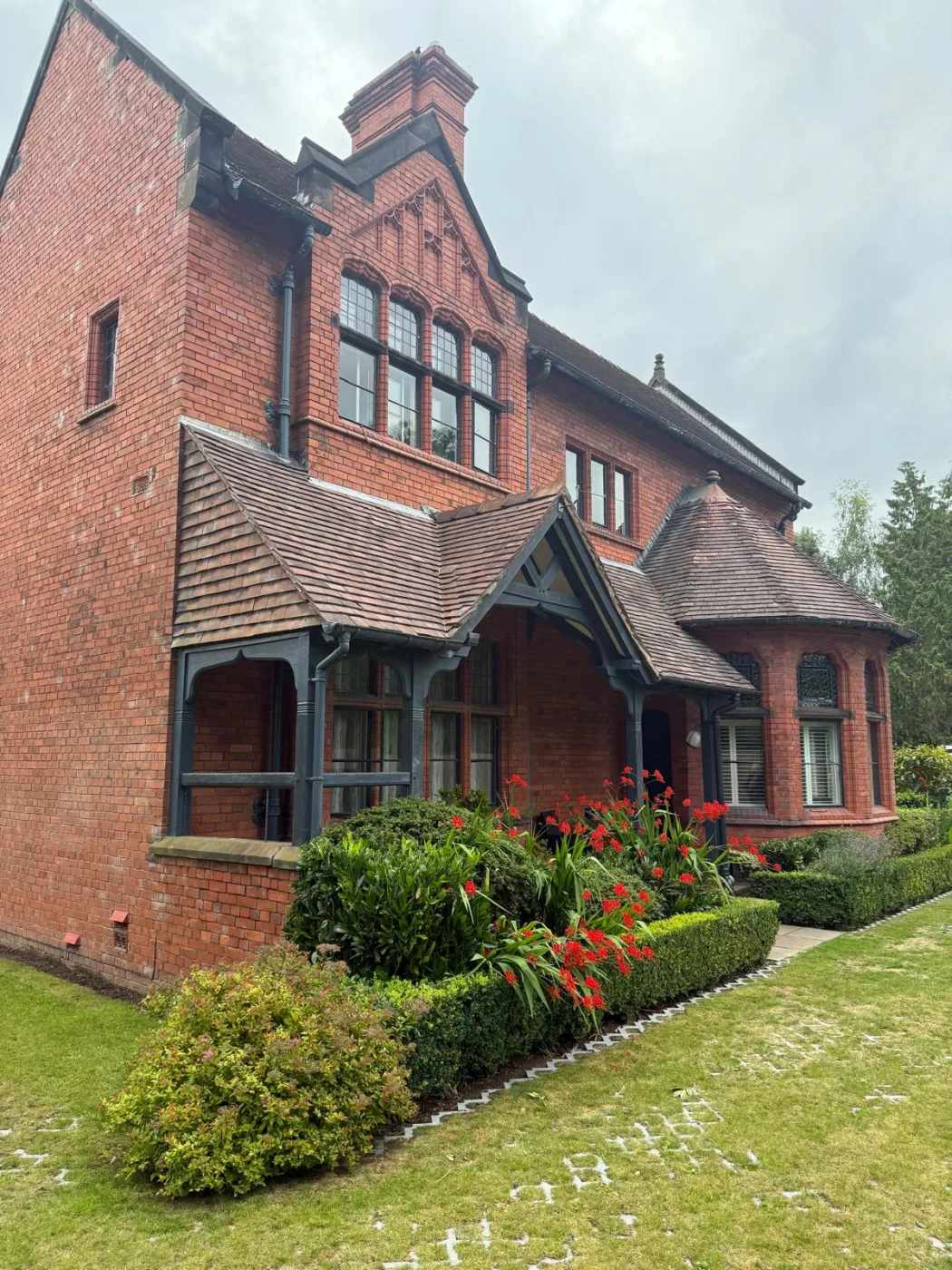
Many properties throughout Chester, particularly Victorian terraces in Hoole and Handbridge, older solid wall properties, converted buildings, period homes, and properties with ageing masonry or poor ventilation, commonly experience recurring moisture-related problems if damp is not diagnosed and treated correctly.
Older Chester properties often contain suspended timber floors, solid brick walls, ageing mortar joints, historic chimney structures, and subfloor voids which can all contribute towards ongoing damp and ventilation-related issues if defects are not addressed correctly.
Properties located in lower-lying areas around Chester and closer to the River Dee can also experience increased exposure to moisture saturation, prolonged external dampness, and weather-related masonry deterioration over time.
Chester’s historic architecture, Roman heritage, older red sandstone buildings, Victorian terraces, and traditional solid wall properties can often present unique moisture and damp-related challenges.
Many older properties throughout Chester were originally constructed using breathable materials such as lime mortar, solid masonry walls, suspended timber floors, and traditional plaster systems. Over time, ageing brickwork, porous sandstone, weather exposure, and inappropriate modern alterations can contribute towards trapped moisture, condensation, and penetrating damp problems if not managed correctly.
Properties located within conservation areas or surrounding Chester’s historic city centre may also require a more sympathetic approach to damp treatment and moisture management to ensure the building fabric can continue to breathe naturally while protecting the structure from further deterioration.
Quirks Property Maintenance Ltd are approved contractors for PAM Ties and Safeguard Europe, using trusted damp-proofing, timber preservation, and moisture control systems.
As members of the Federation of Damp (FOD), all works are carried out in line with recognised industry standards. Our surveys are undertaken by FOD Certified Surveyors (FODCS), ensuring accurate diagnosis and suitable long-term treatment recommendations.
Our team is trained to install manufacturer-approved systems correctly, helping provide durable protection and peace of mind on every project.


Our approach focuses on identifying the actual source of moisture before recommending suitable repairs. We aim to provide practical, long-term solutions tailored to the condition and construction of the property rather than temporary cosmetic repairs.
Many damp-related issues identified during homebuyer surveys or previous failed repairs are often caused by a combination of moisture ingress, poor ventilation, defective external materials, bridging issues, trapped moisture, thermal bridging, and historic building defects rather than a single isolated issue.
We believe proper diagnosis is one of the most important parts of damp treatment. Carrying out unnecessary damp proofing without understanding the source of moisture can often lead to further deterioration and ongoing recurring problems.
We do not believe every damp problem requires chemical damp proofing. Many condensation and moisture-related issues are often linked to poor ventilation, external maintenance defects, trapped moisture, or internal humidity problems rather than failed damp proof courses alone.
Where moisture-related concerns have been identified during property purchases or survey reports, we also carry out detailed follow-up investigations to help determine the severity of the issue and the most appropriate long-term repair approach.
We also provide a pre-purchase home buyers quote service for properties where damp or moisture concerns have been highlighted during surveys or mortgage valuations:
Damp problems are frequently misdiagnosed within older properties throughout Chester and Cheshire.
Condensation, penetrating damp, hygroscopic salt contamination, thermal bridging, and historic moisture staining can often produce similar visible symptoms despite requiring completely different treatment methods.
Incorrect diagnosis can result in:
• Unnecessary damp proof course injections
• Moisture becoming trapped within walls
• Continued mould growth
• Failed replastering systems
• Increased repair costs over time
• Ongoing timber deterioration
• Poor indoor air quality
Our damp investigations focus on identifying:
• Surface moisture levels
• Moisture migration patterns
• Ventilation deficiencies
• Relative humidity levels
• External building defects
• Bridging issues
• Thermal cold spots
• Hygroscopic salt contamination
• Timber moisture content
• Signs of wet rot or dry rot
This helps ensure the correct repair strategy is recommended from the outset.
Correct diagnosis is essential before carrying out any damp treatment works.
Treating the wrong type of damp can lead to unnecessary expense, ongoing moisture problems, and failed repairs.
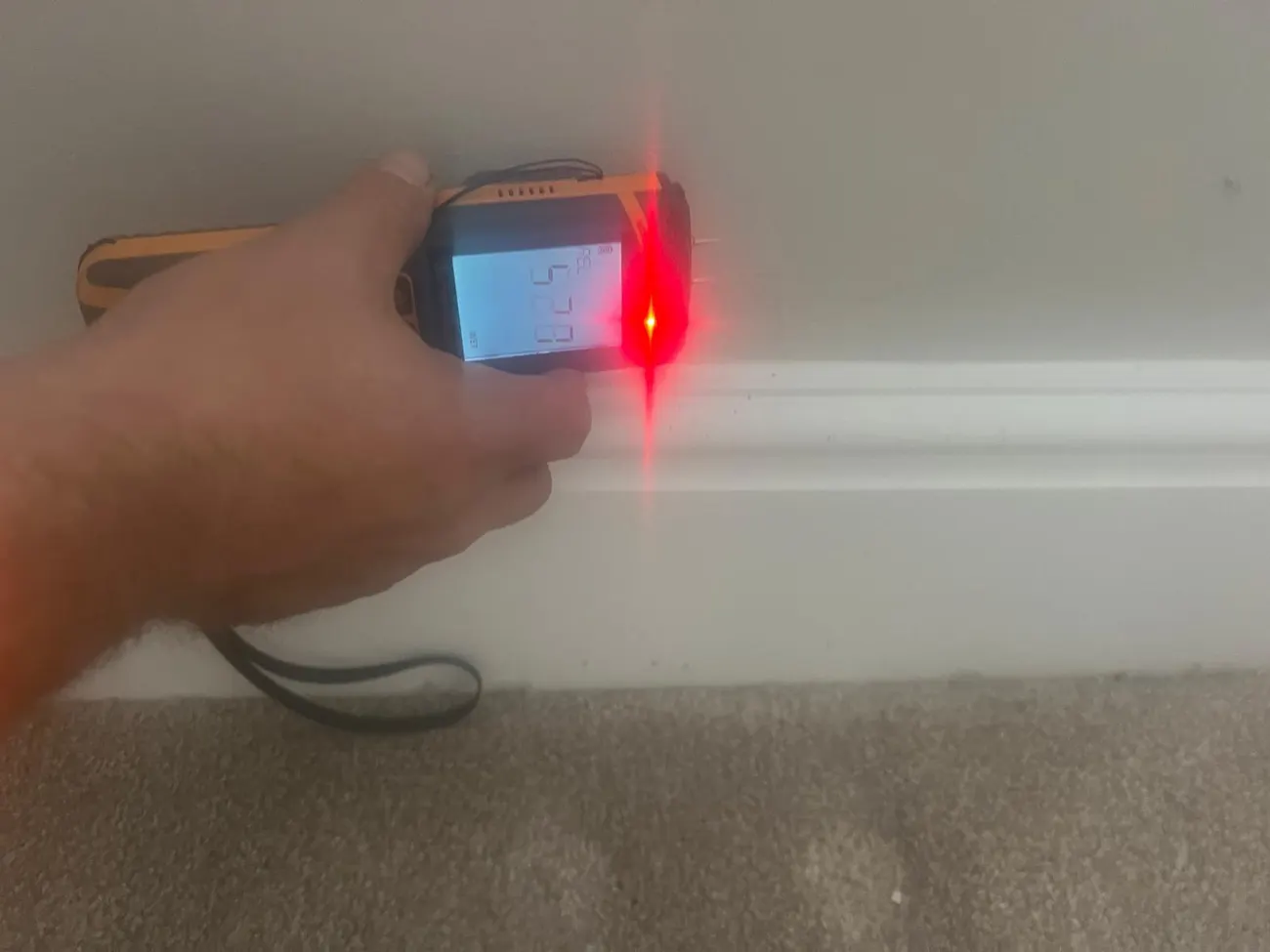
We carry out detailed damp investigations using specialist moisture testing equipment combined with visual assessment to determine:
• Source of moisture
• Type of damp present
• Extent of moisture penetration
• Associated structural concerns
• Potential timber decay issues
• Ventilation performance
• Moisture movement through the building fabric
• Recommended remedial solutions
Our damp surveys in Chester focus on identifying the root cause of the problem rather than simply treating visible symptoms.
Where damp-related concerns have been identified during a property purchase or mortgage survey, we also provide detailed follow-up investigations and quotation reports to help buyers better understand the severity of the issue and likely remedial requirements.
For professional damp investigations and moisture reporting, please visit our dedicated damp survey:


Over the years, we have investigated a wide range of damp and moisture-related issues across Chester and Cheshire, particularly within older Victorian terraces, solid wall properties, converted buildings, and rental properties.
Some of the most common issues we regularly identify include:
Older properties throughout Hoole, Handbridge, Boughton, Saltney, and surrounding Chester areas can often experience recurring damp issues if ventilation, moisture control, and external maintenance are not addressed correctly.
Where external deterioration has contributed towards damp issues, associated repair works such as repointing, roof repairs, chimney repairs, guttering repairs, and external waterproofing measures may also be required to fully resolve the source of moisture ingress.
Damp issues can affect many areas of a property depending on the source of moisture and the construction type.
We commonly investigate damp problems affecting:
• Ground floor walls
• Chimney breasts
• Basements and cellar areas
• Around windows and external doors
• Ceilings beneath roof defects
• Bathrooms and kitchens with poor ventilation
• Suspended timber floors and subfloor voids
• External walls exposed to weather conditions
Basement and lower-ground structures can often require specialist waterproofing and moisture management systems where long-term water penetration has affected the structure internally.
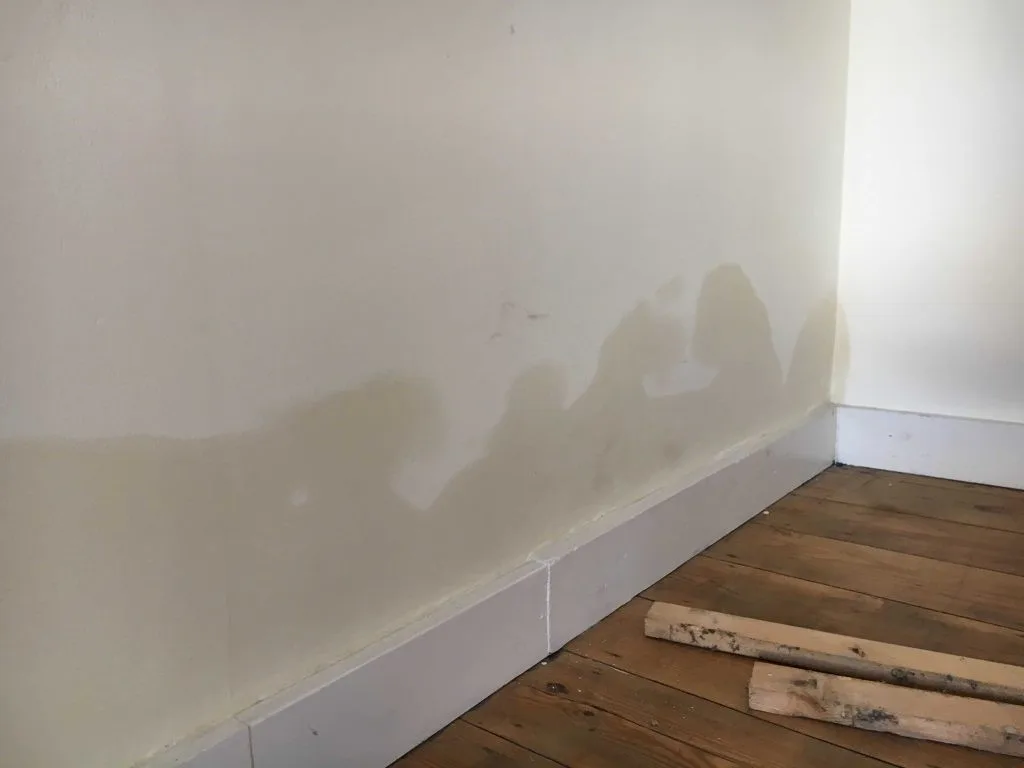
Rising damp occurs when moisture travels upward through walls from ground level due to a failed, damaged, or bridged damp proof course.
Common signs of rising damp include:
• Tide marks on walls
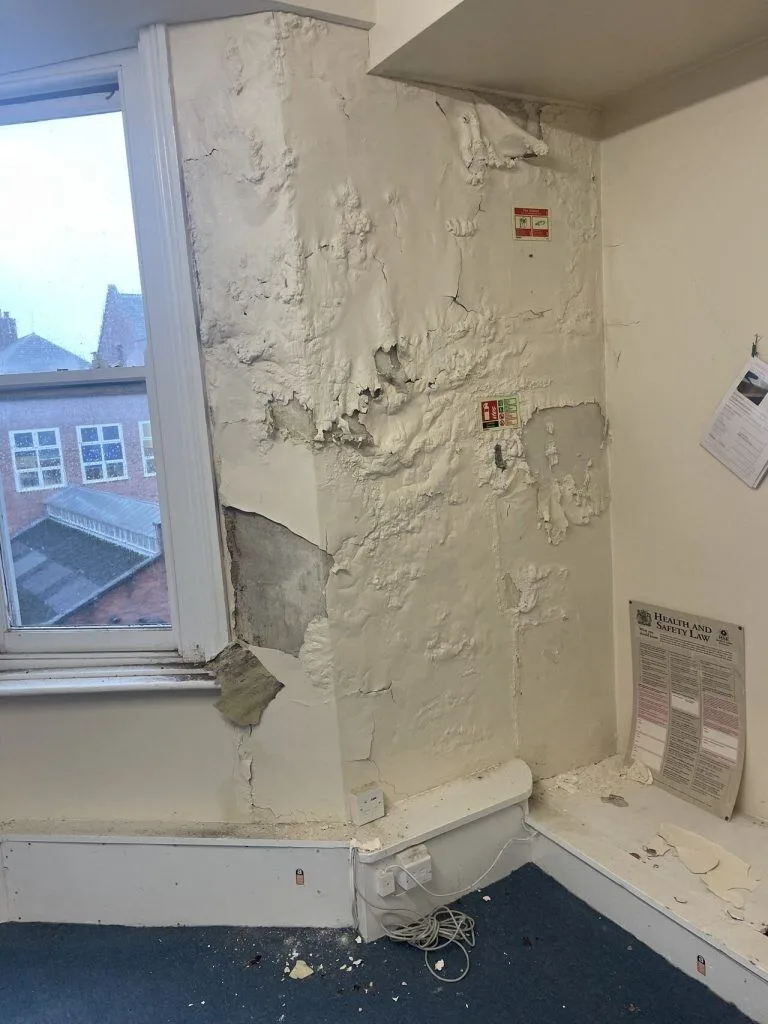
• Peeling paint or wallpaper
• Salt contamination on plaster
• Damp skirting boards
• Crumbling plaster finishes
• Damp or musty smells near ground floor walls
Where rising damp is confirmed, we provide a structured treatment system designed for long-term protection.
Typical works may include:
• Professional damp assessment
• External ground level checks
• Removal of contaminated plaster
• Installation of a BBA-approved damp proof course injection system
• Installation of cavity membrane systems where required
• Salt-resistant replastering systems
• Internal making good and finishing works
Advantages of our damp proofing systems:
• Allows walls to dry naturally
• Reduces hygroscopic salt contamination
• Improves moisture control within the structure
• Provides long-term protection
• Compatible with manufacturer-backed guarantees
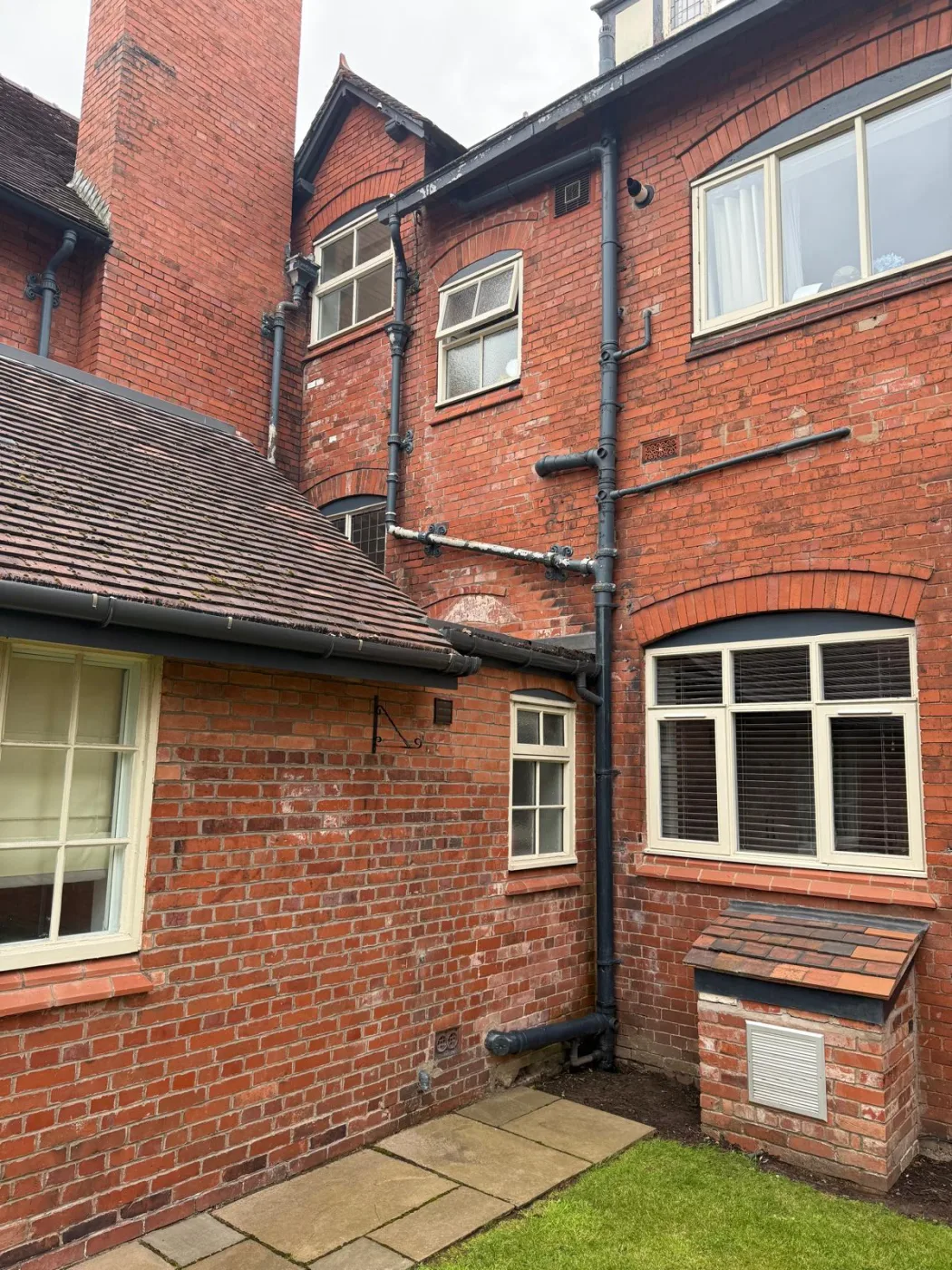
Penetrating damp is caused by water entering the property through defects within the external building envelope.
Common causes include:
• Cracked render
• Defective pointing
• Porous brickwork
• Roof defects and flashing failures
• Leaking gutters and downpipes
• Chimney defects
• Structural cracking
Long-term moisture ingress from defective masonry, failed pointing, damaged roof coverings, or leaking gutters can often lead to internal damp staining, damaged plaster finishes, and timber deterioration if left unresolved.
Many penetrating damp problems are linked to wider external maintenance defects, particularly within older Chester properties exposed to prolonged weathering and ageing masonry materials.
We also carry out penetrating damp repairs in Chester for properties affected by defective pointing, damaged render, roof defects, chimney defects, and external moisture ingress:
Where external defects are contributing towards damp problems, associated works such as roofing repairs, chimney repairs, gutter replacement, repointing, or structural repairs may also be required to fully resolve the issue.
Condensation is one of the most common forms of damp affecting properties across Chester and Cheshire and is often caused by poor ventilation combined with high internal humidity levels.
Bathrooms, kitchens, utility rooms, bedrooms, and poorly ventilated spaces can all experience increased humidity levels which may contribute to mould growth and recurring damp-related problems.
Cold surfaces, inadequate extraction, thermal bridging, intermittent heating patterns, and trapped humidity can all contribute towards black spot mould forming internally.
Common signs include:
• Water droplets forming on windows
• Black mould growth
• Damp patches around colder surfaces
• Moisture build-up behind furniture
• Damp smells and poor airflow
We provide condensation damp solutions in Chester including:
• Ventilation improvements
• Moisture management recommendations
• Airflow improvements
• Subfloor ventilation upgrades
• Extraction improvements
• Condensation reduction measures
We also provide condensation damp and mould control services in Chester for properties affected by poor airflow, trapped humidity, and recurring mould-related problems:
Where prolonged condensation has caused deterioration to plaster finishes, flooring structures, or timber joinery, additional remedial works may also be required.
Poor ventilation is one of the most common contributing factors to condensation and trapped moisture within properties.
Older Chester properties with suspended timber floors, blocked air bricks, poorly ventilated loft spaces, and upgraded insulation systems can often suffer from inadequate airflow if ventilation is not considered correctly.
Improving airflow and reducing trapped humidity can play an important role in long-term damp prevention and internal moisture control.
Ventilation improvements can often form an important part of wider damp treatment strategies, particularly where condensation and mould growth are recurring problems
Long-term damp conditions can often lead to timber decay affecting floors, skirting boards, joists, and structural timbers.
We regularly investigate:
• Damp suspended timber floors
• Wet rot within floor joists
• Dry rot outbreaks
• Damp subfloor voids
• Failed ventilation systems
• Timber deterioration caused by trapped moisture
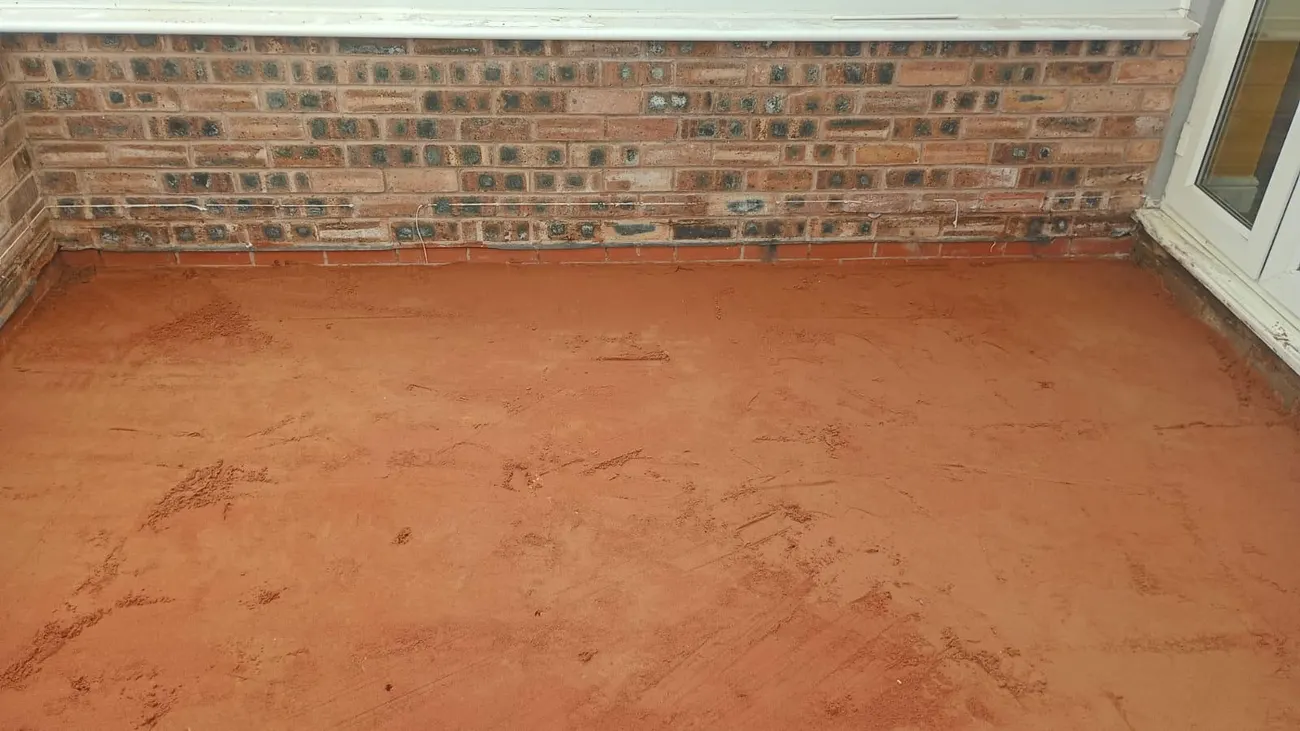
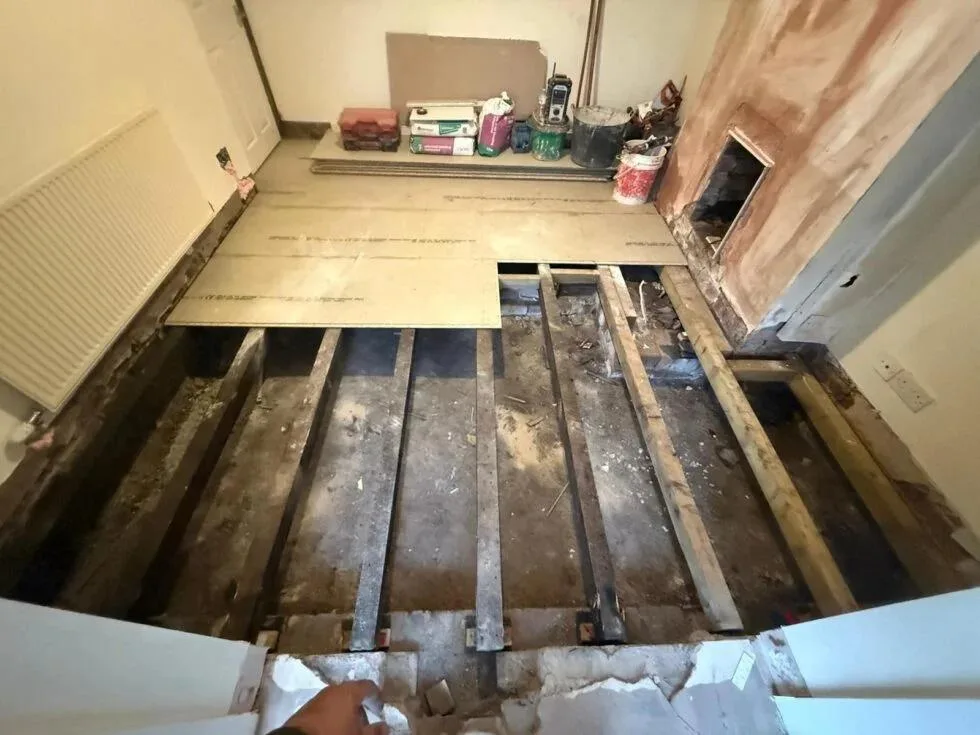
Older Chester properties with suspended timber floors can often suffer from long-term ventilation issues where air bricks have become blocked, external ground levels have been raised, or moisture has become trapped beneath the floor structure over time.
We also carry out damp floor treatments in Chester to help address moisture-related deterioration affecting suspended timber floors and subfloor voids:
Where prolonged moisture exposure has resulted in fungal decay, we also undertake wet rot and dry rot treatment works to affected structural timber areas.
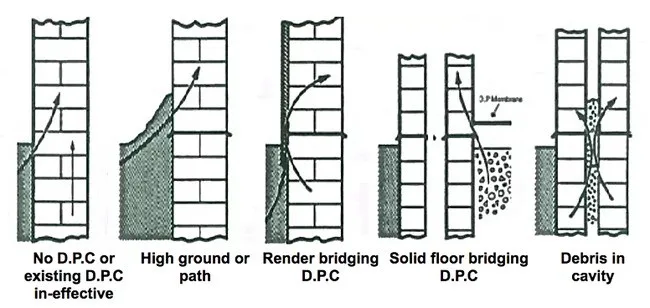
• Ageing or failed damp proof courses
• Bridged damp proof courses caused by raised ground levels or render
• Porous brickwork or masonry allowing moisture to travel
• Poor ventilation contributing to moisture retention
• Previous incorrect repairs
👉 Identifying the exact cause is essential to ensure the correct treatment is applied.


We provide a structured and permanent solution:
Advantages of Our System:
Backed by manufacturer guarantees (including 10-year membrane systems)
Damp issues can arise from a range of underlying defects, often developing over time if not properly addressed.
Poor ventilation leading to high humidity and condensation build-up
Damaged roofs, guttering, or downpipes allowing water ingress. Learn more about our Emergency Gutter Repair Services.
Cracks in walls or structural defects permitting moisture penetration
Bridged or failed damp proof courses reducing resistance to ground moisture
Flooding or prolonged exposure to moisture affecting internal structures
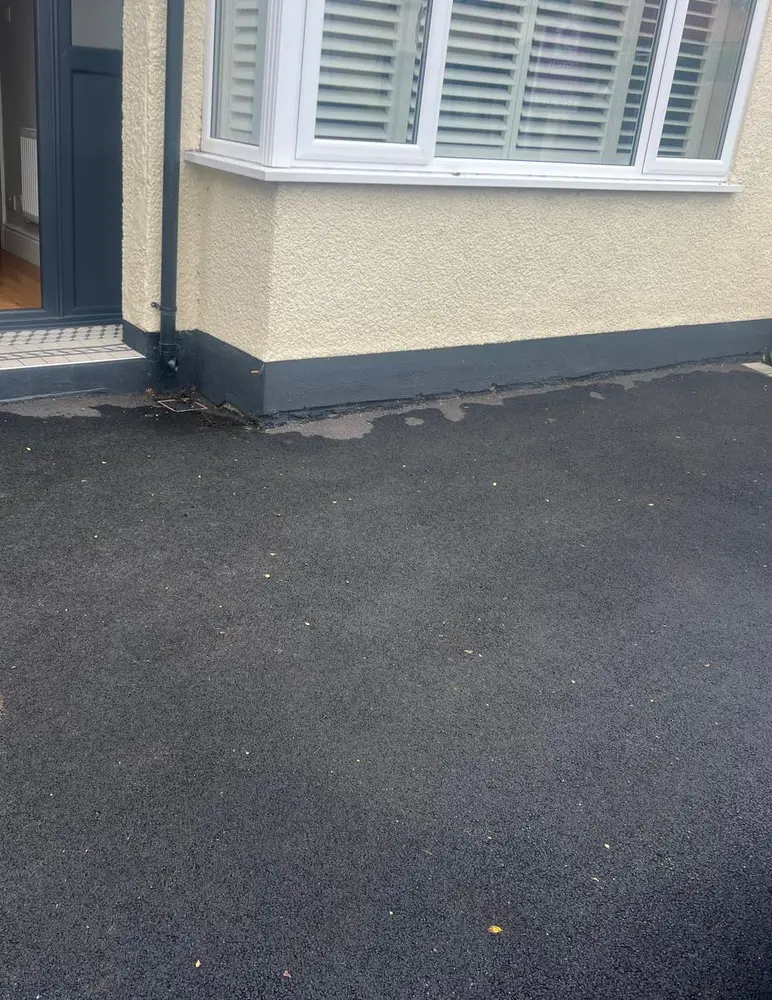
External ground levels that are too high, allowing moisture to track into the property
Prolonged damp conditions can lead to timber decay and structural damage. Learn more about our Wet Rot Treatment Services.
Correctly identifying the cause of damp is essential to ensure the problem is resolved properly. Treating the symptoms without addressing the source will often lead to the issue returning, sometimes causing further damage over time.
Different types of damp require different solutions. For example, condensation is managed through improved ventilation and moisture control, whereas penetrating damp requires repairs to external defects such as brickwork, roofing, or guttering.
Misdiagnosis can result in unnecessary works being carried out, increased costs, and ongoing disruption. In some cases, incorrect treatments can even make the problem worse by trapping moisture within the structure.
Our approach is to carry out a thorough assessment of the property, identify the root cause, and recommend a solution that is both effective and compliant with current building standards.
👉 Early action prevents further damage.
We provide a comprehensive range of damp proofing and moisture control services across domestic, commercial, and rental properties.
Damp treatments and moisture control solutions tailored to the specific cause of the issue
Rising damp solutions, including damp proof course (DPC) injection systems
Basement tanking and waterproofing to protect below-ground structures
Condensation control and ventilation improvements to reduce internal moisture levels. Learn more about our condensation Damp Services.
Timber treatments, including wet rot and dry rot remediation
Structural repairs related to damp damage, including affected floors and subfloor systems. Learn more about our Floor Repair Services.
Damp problems can lead to:
• Structural damage to walls and floors
👉 Floor Repair Service
• Timber decay and rot
👉 Wet Rot Treatment Services
• Mould growth and health concerns
• Damage to decorations and finishes
👉 Early treatment prevents costly repairs.
We offer professional damp surveys to identify the cause of moisture issues and provide clear recommendations.
📱 WhatsApp: 07719 535523
• Flintshire
• Chester
• Cheshire
• Wrexham
• Ellesmere Port
• Wirral
• Denbighshire
• Conwy
• North Wales
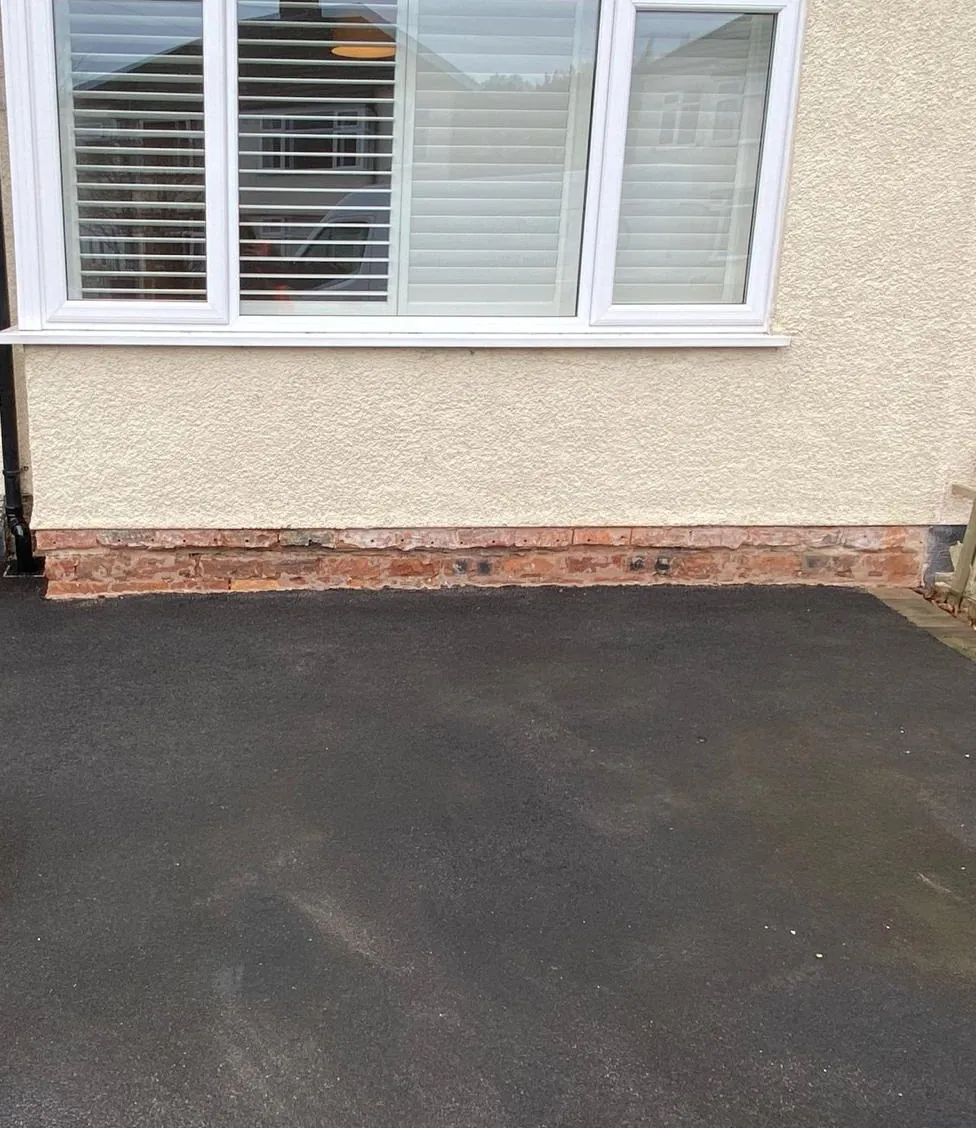
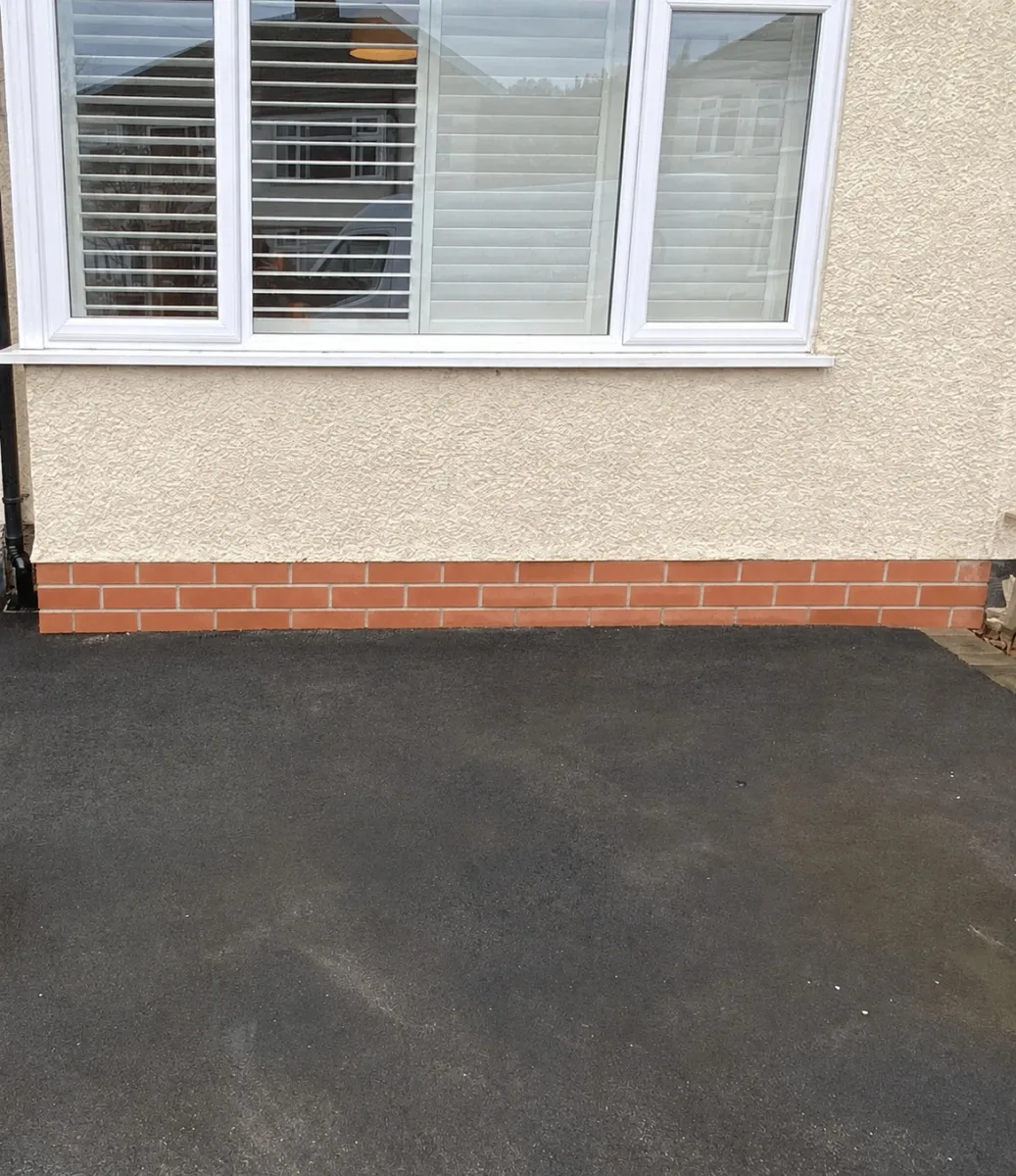
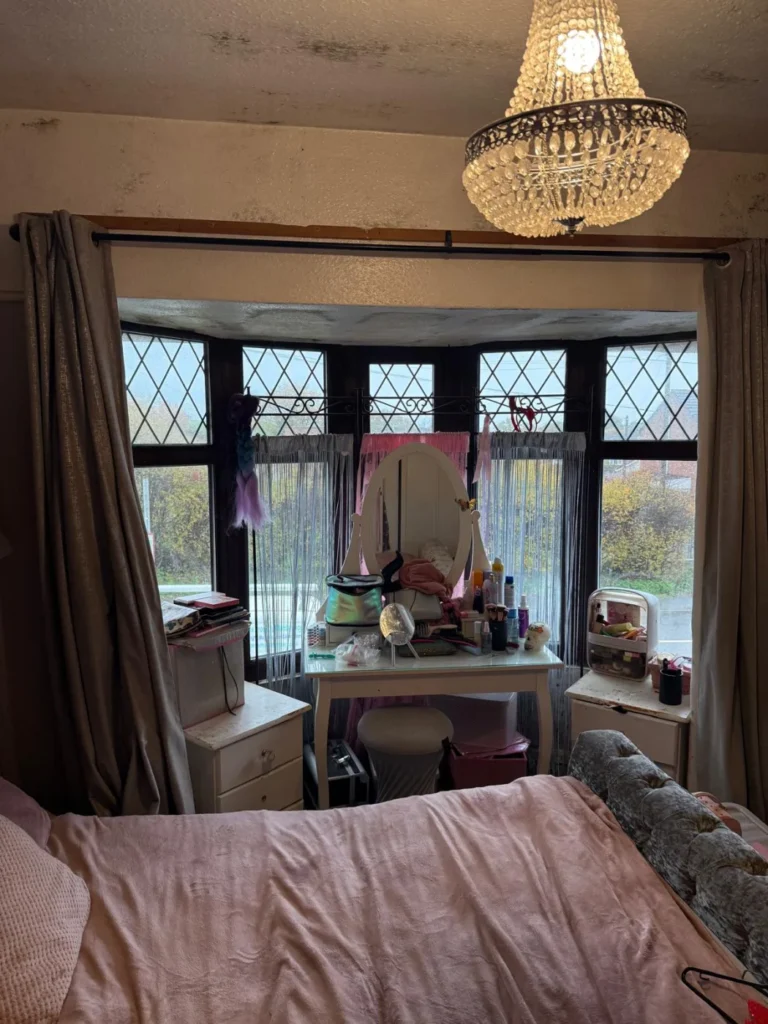
A homeowner in Chester contacted Quirks Property Maintenance Ltd after noticing damp staining appearing internally around a bay window and external wall during periods of heavy rainfall.
Following investigation, the cause was traced to defective pointing, cracked external render, and failed seals around the window frame which were allowing moisture penetration into the property.
Works carried out included:
The repairs helped prevent further water ingress and internal deterioration.
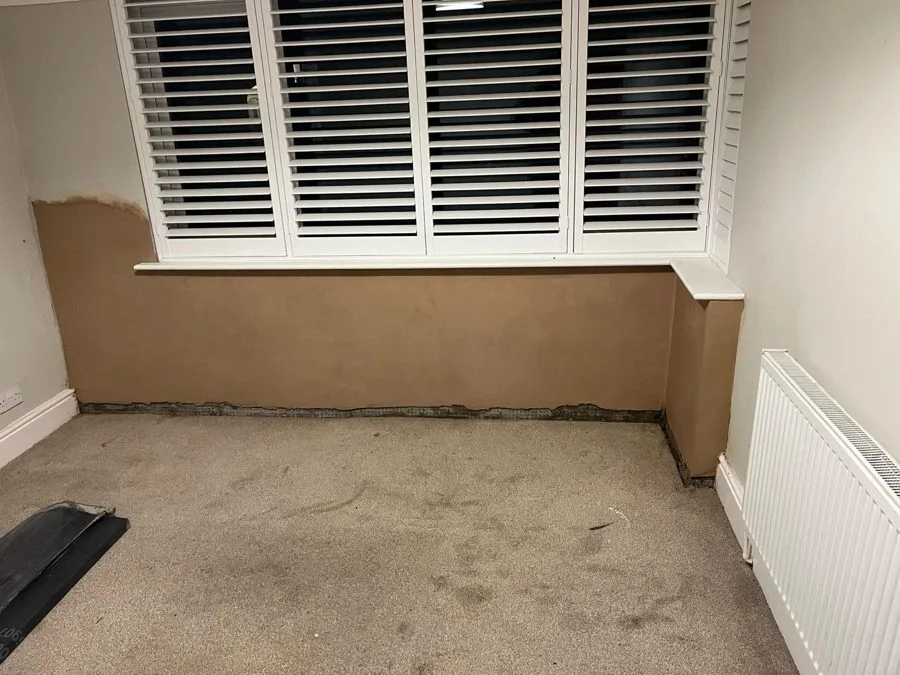
A property owner in Wrexham reported deteriorating plaster, peeling wallpaper, and damp staining affecting the lower sections of internal walls within a ground floor living room.
Our investigation identified elevated external ground levels bridging the damp proof course alongside defective plaster contaminated with moisture and salts.
Works included:
The works helped reduce ongoing moisture transfer and improved internal wall conditions significantly.
A family property in Flintshire was experiencing recurring black mould growth around windows, external walls, and ceiling corners during colder months.
Investigation identified poor airflow, insufficient extractor ventilation, and excess internal moisture build-up as major contributing factors.
Works carried out included:
The improvements helped reduce condensation build-up and improve indoor air quality throughout the property.
A customer in Cheshire contacted Quirks Property Maintenance Ltd regarding uneven flooring and damp smells affecting a suspended timber floor.
Investigation beneath the floor identified excessive moisture build-up caused by blocked air bricks and poor subfloor ventilation, leading to timber decay and wet rot affecting sections of the floor structure.
Works carried out included:
The repairs helped restore structural stability and improve airflow beneath the suspended floor.
A property owner in Ellesmere Port reported ongoing damp staining and mould growth affecting a kitchen wall and adjoining flooring.
Investigation identified a hidden plumbing leak within pipework beneath the floor which had been allowing moisture to build up over time.
Works included:
Early identification helped reduce further structural and moisture-related damage.
A customer in The Wirral contacted Quirks Property Maintenance Ltd after noticing water staining to ceilings and damp patches within an upstairs bedroom following heavy rainfall.
Investigation identified slipped roof tiles, deteriorated flashing, and blocked guttering contributing to water ingress.
Works carried out included:
The repairs helped prevent further water ingress and internal damage to the property.
We carry out a comprehensive range of floor repairs and structural improvements across domestic, commercial, and rental properties.
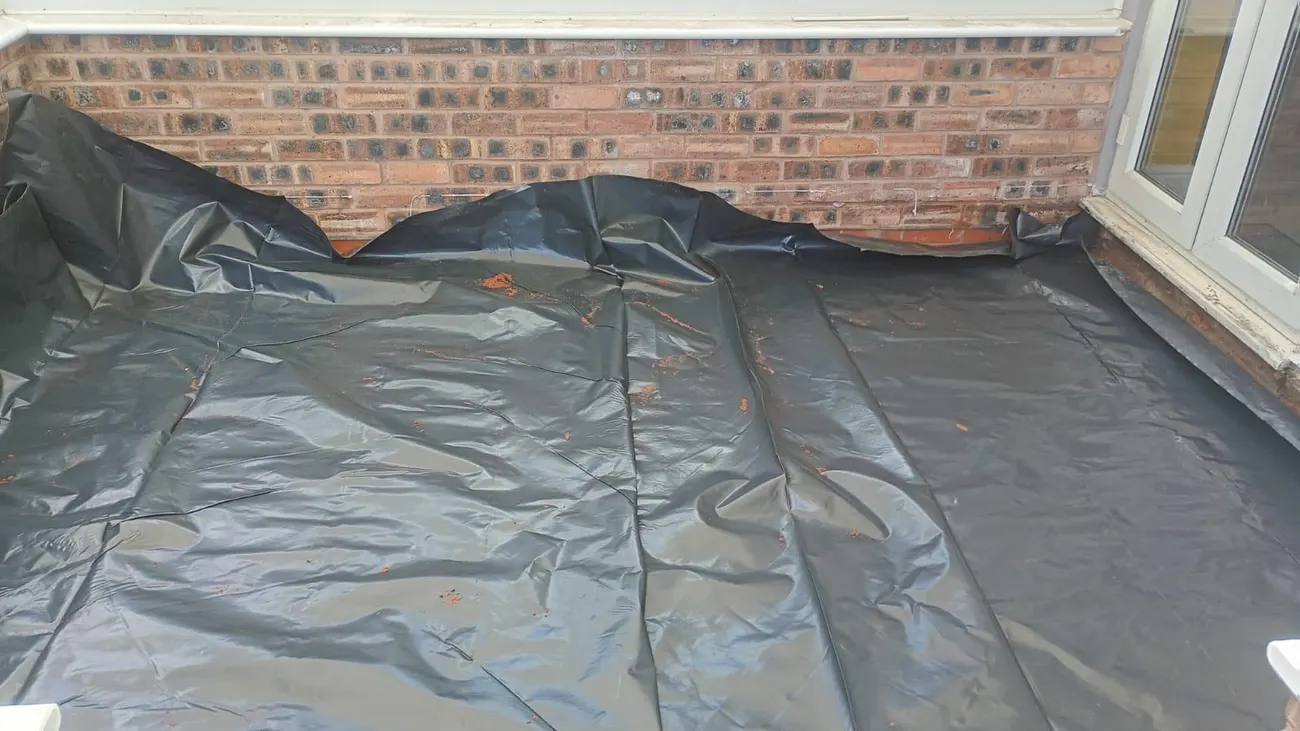
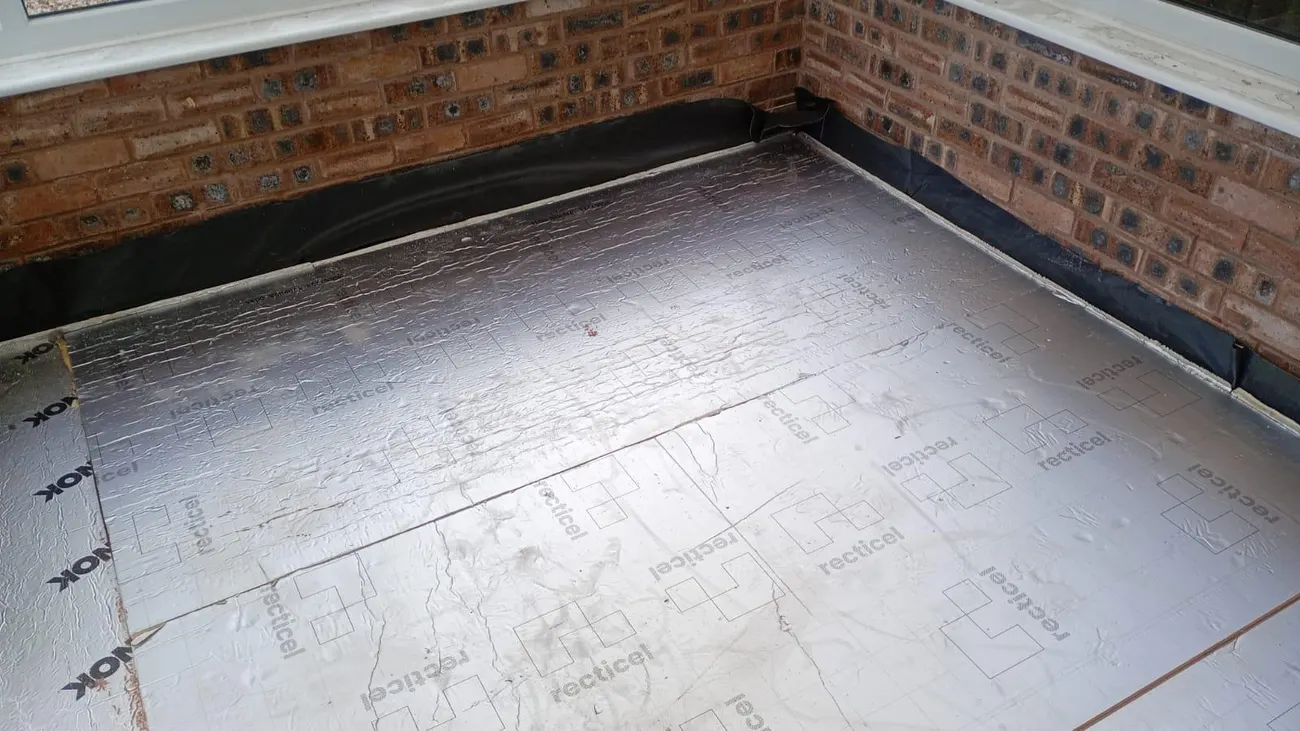
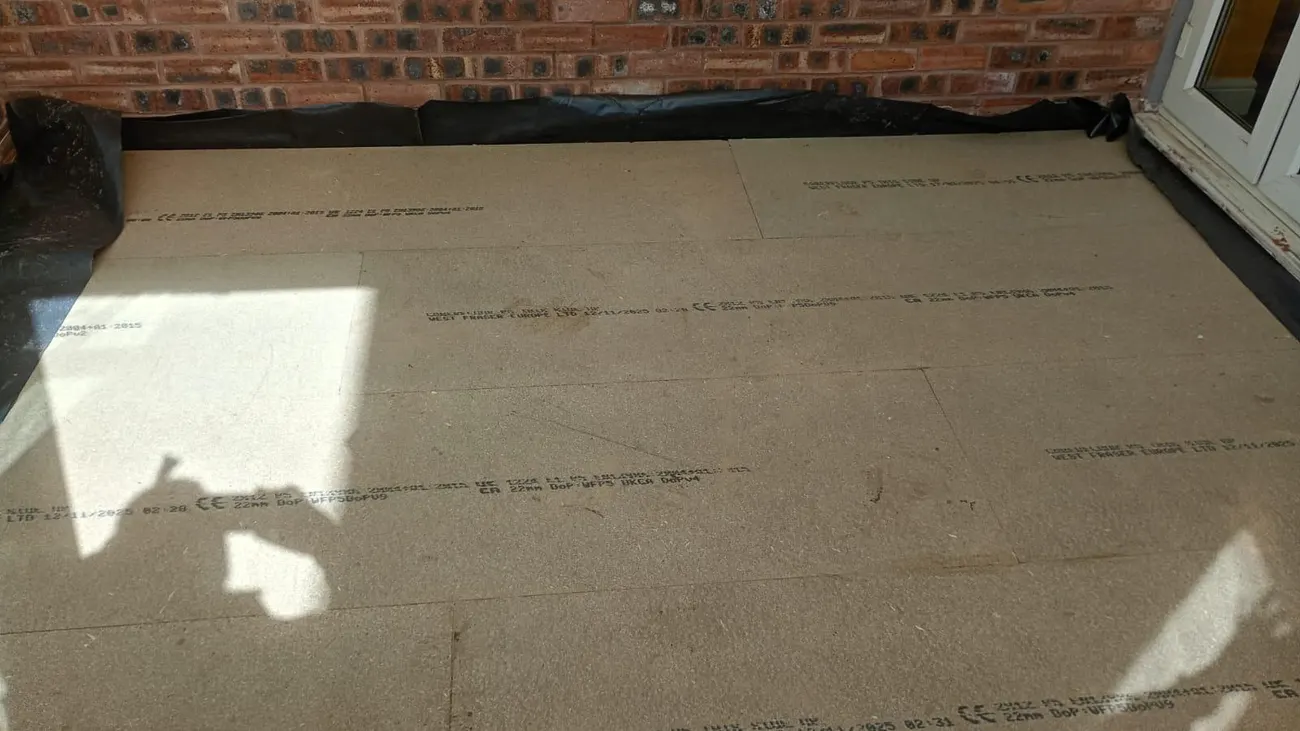
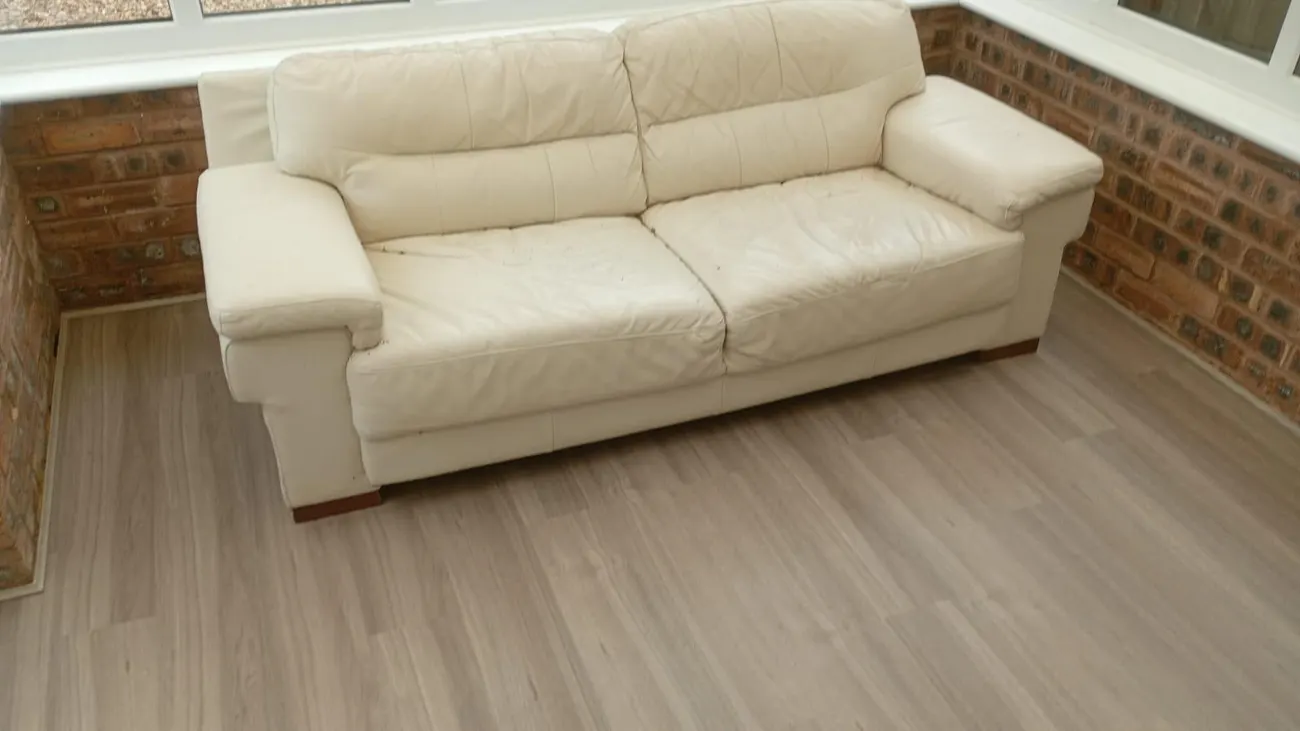
This includes timber floor repairs such as joists, floorboards, and rot-damaged structural timbers, as well as subfloor repairs and full replacements where the existing structure has failed. We also undertake concrete floor repairs, including levelling and surface preparation to ensure a solid, even finish.
Where moisture is a contributing factor, we address damp-related floor issues to prevent ongoing deterioration.
In addition, we carry out structural floor strengthening to resolve movement or inadequate support, along with repairs to squeaky, uneven, or sagging floors.
Common signs of rising damp include tide marks on walls, peeling paint, damaged skirting boards, salt deposits on plaster, and damp or musty smells near ground level walls. A professional survey is recommended to confirm the exact cause.
Yes — when the correct cause is identified and treated properly. Different types of damp require different solutions, so proper diagnosis is essential before any works are carried out.
Yes. Damp can often be misdiagnosed, which can lead to unnecessary or ineffective works. A damp survey helps identify the source of moisture and the most suitable treatment method.
This depends on the severity of the issue and the treatment required. Smaller damp proofing works may take a couple of days, while larger treatment and replastering systems can take longer.
Costs vary depending on the cause of the damp, the affected areas, and the type of treatment required. We provide clear quotations following inspection and diagnosis.
Yes. If left untreated, penetrating damp can lead to deterioration of plaster, timber decay, corrosion of embedded materials, and damage to internal finishes. Prolonged moisture exposure may also contribute to structural movement and weakened building materials over time.
Black mould is commonly associated with condensation and excess moisture within the property.
Contributing factors can include:
If left unresolved, black mould can spread quickly and may damage decorations, furnishings, and indoor air quality.
Penetrating damp occurs when water enters the property from outside due to defects within the building structure.
Common causes include:
Penetrating damp often becomes worse during periods of heavy rainfall.
Condensation damp occurs when warm moisture-rich air comes into contact with colder surfaces within the property.
This often develops due to:
Condensation can contribute to mould growth, musty smells, staining, and damage to decorations if left unresolved.
Yes. Excess moisture beneath suspended timber floors can lead to:
Proper ventilation and moisture control are essential to maintaining healthy timber floor structures.
Common signs of damp within a property may include:
Early investigation can help prevent further damage and reduce repair costs.
Yes. If left unresolved, damp problems can contribute to:
Early investigation and repair are important to prevent long-term property deterioration
Damp beneath suspended timber floors is commonly caused by:
This can lead to timber decay, mould growth, damp smells, and floor movement if left unresolved.
Rising damp is caused by ground moisture travelling upward through walls due to a failed or bridged damp proof course. Condensation is caused by excess moisture in the air meeting cold surfaces, usually due to poor ventilation and high humidity levels.
Yes. We regularly carry out damp investigations and treatment works in older and period properties across Chester and surrounding areas. Older buildings often require a more careful approach to moisture management and breathable repair systems.
Yes. Damp conditions can create the ideal environment for mould growth, particularly in poorly ventilated areas. Black mould is commonly associated with condensation issues and prolonged moisture exposure.
No. Damp problems can occur for many different reasons and are not always caused by rising damp.
Common causes of damp may include:
Correct diagnosis is important because different types of damp problems require different repair solutions.
Yes. Quirks Property Maintenance Ltd provides damp investigations, damp proofing services, moisture assessments, leak tracing, and property repair solutions across:
• Flintshire
• Chester
• Cheshire
• Wrexham
• Ellesmere Port
• The Wirral
• North Wales
✔ FOD registered & qualified
✔ Approved contractors for PAM Ties & Safeguard
✔ 20+ years experience
✔ Accurate diagnosis (not guesswork)
✔ Long-term solutions
✔ Fully insured and compliant
✔ Clear, honest pricing
Send Photos via WhatsApp for a quick assessment.
Long-lasting, professional solutions using proven industry methods