Specialist Building & Property Maintenance Services You Can Depend On.
LINTEL REPAIR & REPLACEMENT — NORTH WALES, CHESHIRE AND WIRRAL
A lintel is the beam over a window or door that carries the wall above it. When a lintel has cracked or rusted, or was never fitted, the brickwork over the opening can drop and crack. The repair is to prop the wall, fit a new steel or concrete lintel, and rebuild and repoint the brickwork around it.
Quirks carries out lintel repair and replacement across North Wales, Cheshire and Wirral. The propping, the lintel, the brickwork, the pointing or render and the plaster inside are one job on one written quotation.
Lintel repair and replacement — send us photographs

In short: where a lintel has cracked, rusted, rotted or was never fitted, we prop the brickwork, repair or replace the lintel and make good the wall, pointing and plaster. Send photographs for a written quotation.
We also work in Denbighshire and Conwy. Send photographs and your postcode and we will come back with a written quotation.
Recent lintel projects
Each project is written up, with photographs, on the page for that area.
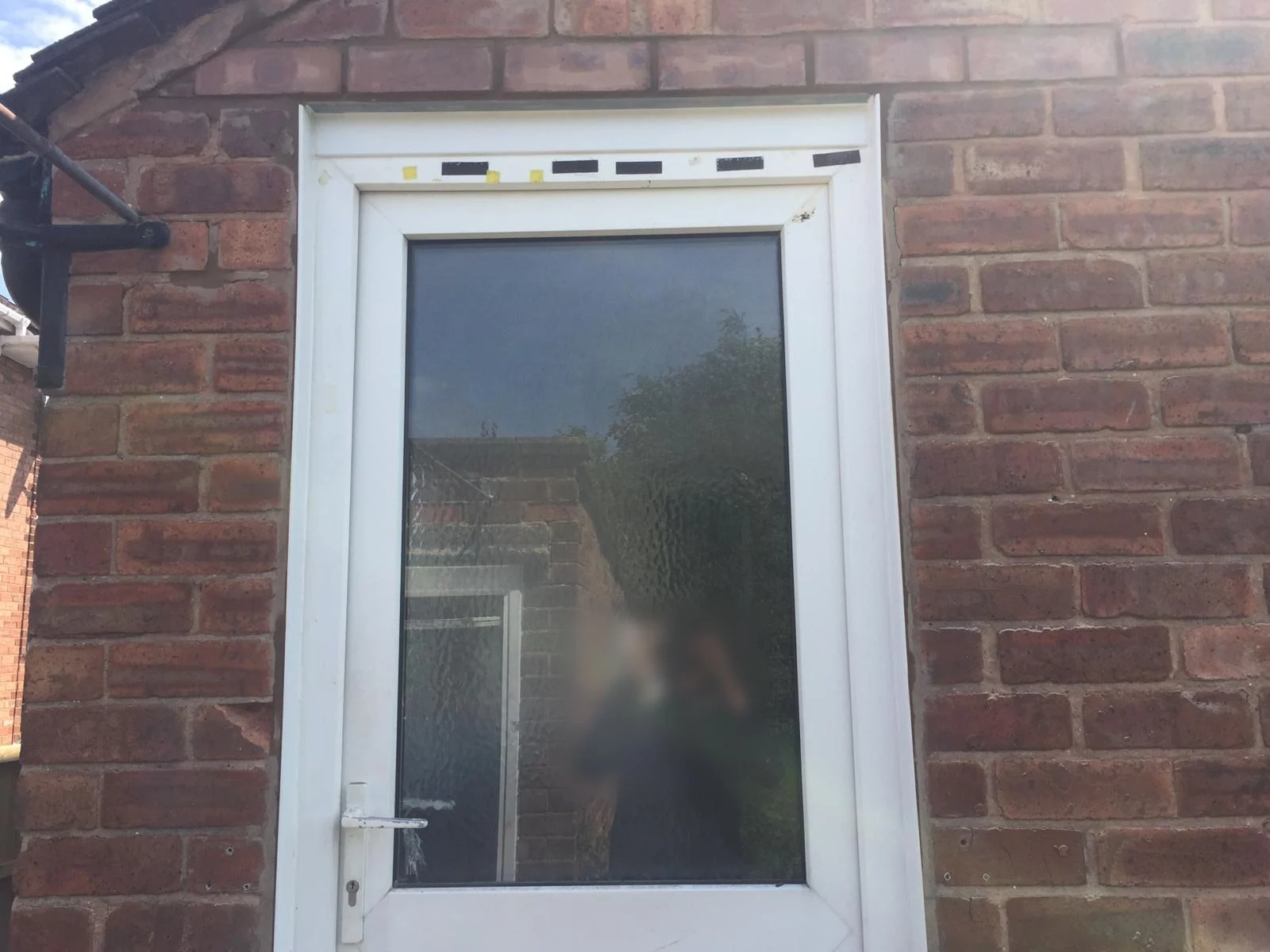
Lintel repair and replacement in Chester
Chester: an external door with no lintel over it and the brickwork resting on the frame. The opening was propped, a steel lintel fitted and the brickwork rebuilt above it.
Read the Chester project →
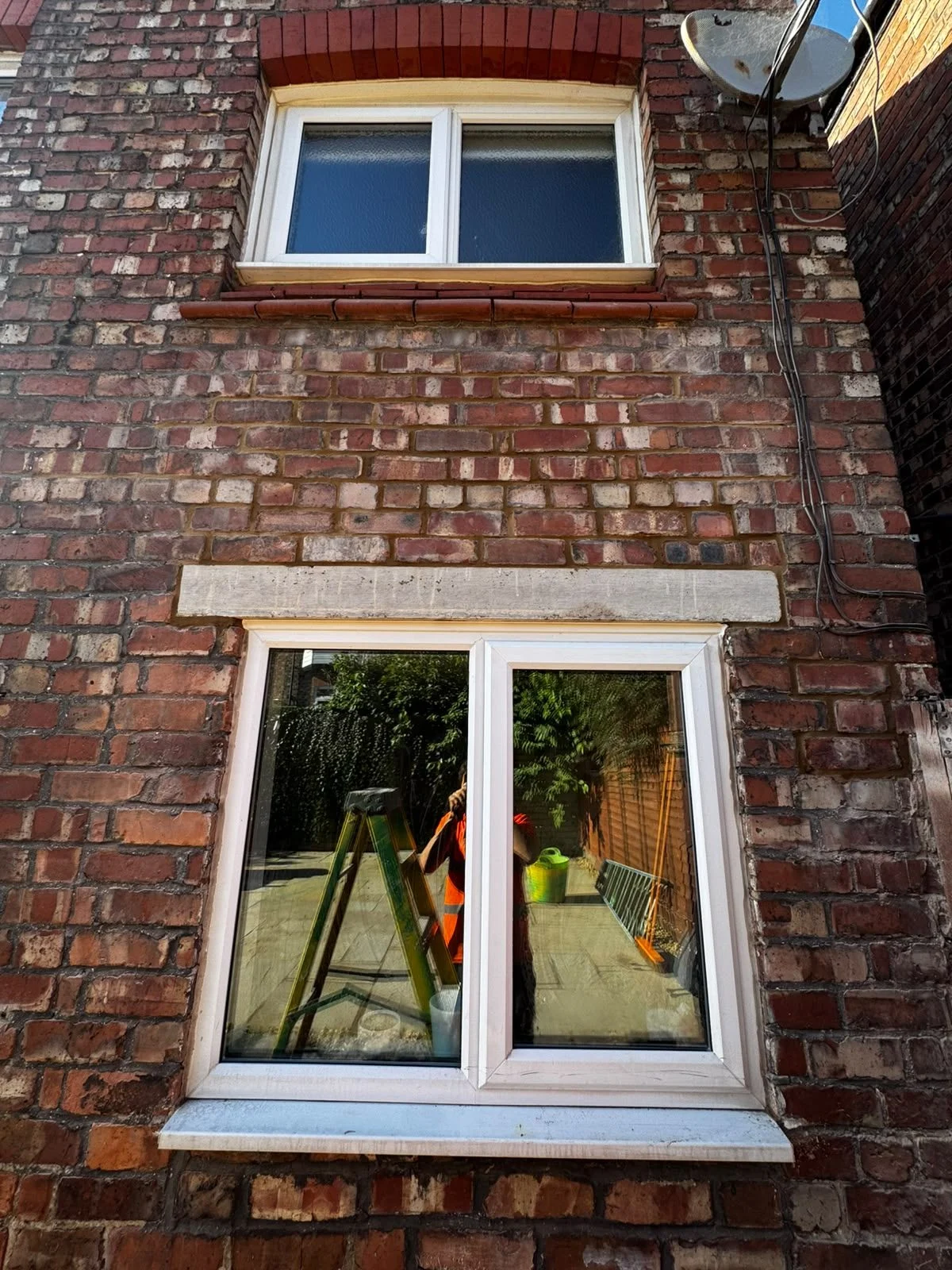
Lintel repair and replacement on the Wirral
Wallasey, Wirral: a cracked concrete lintel over the rear kitchen window and a heavily corroded steel lintel over the passageway window, picked up by the owners’ surveyor. Both lintels were replaced and the brickwork stitched and repointed.
Read the Wirral project →
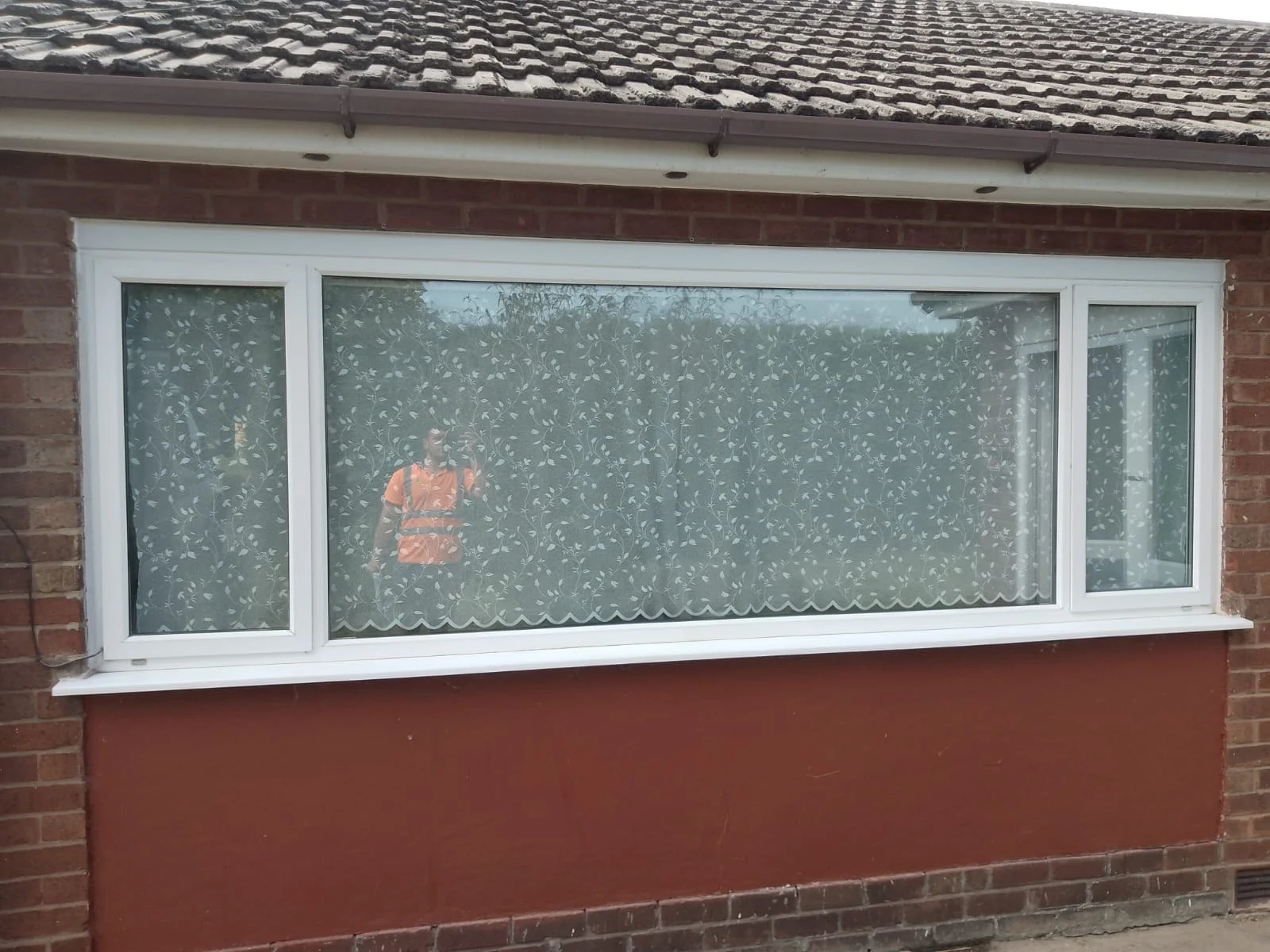
Lintel repair and replacement in Flintshire
Flintshire: a bungalow with a wide window that had no lintel over it at all. The head was opened up, a new galvanised steel lintel fitted and the brickwork above rebuilt and made good.
Read the Flintshire project →
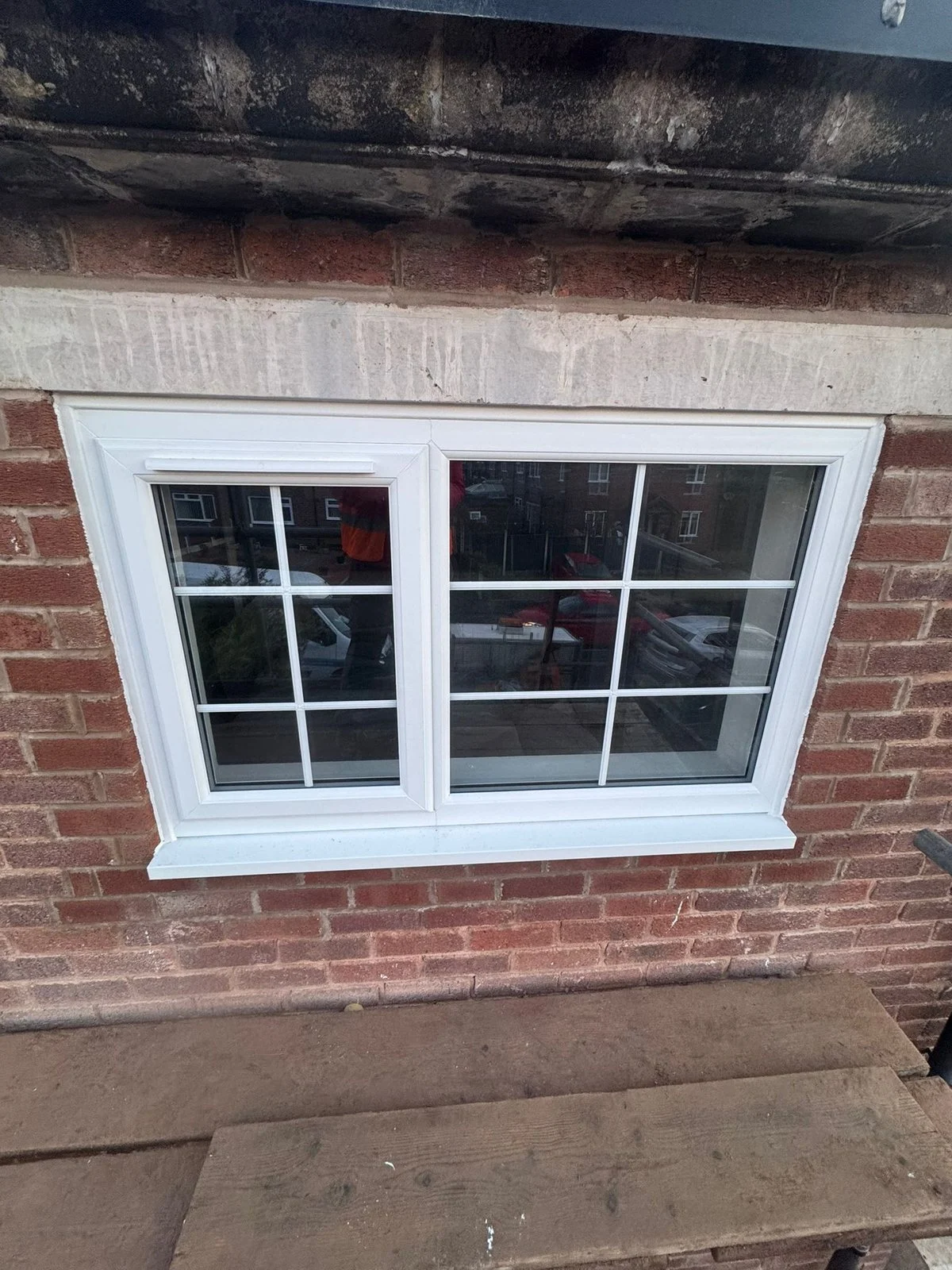
Lintel repair and replacement in Wrexham
Wrexham: the concrete surrounds around every front window taken out to a structural engineer’s specification, concrete lintels fitted, the openings bricked in and new windows installed.
Read the Wrexham project →Lintels
Every window and door is a hole in a wall, and something has to carry the brickwork across it. What that something is depends on the age of the building.
Timber. Common in older houses, usually hidden behind a brick arch or a stone head on the outside. Timber kept damp for years can rot where its ends sit in the wall and let the brickwork settle.
Brick arches and bricks on end. A true arch carries load for as long as the wall either side holds it tight. A flat course of bricks on end, called a soldier course, is often there for looks and relies on whatever is behind it. Either can slip when its support gives.
Stone heads. A single stone over the opening, common on stone houses and some brick ones. Stone can crack through under load.
Steel. Widely used from the inter-war years onward, first as plain angles and bars and later as galvanised pressed-steel lintels. Steel that stays damp rusts, swells and lifts the brickwork sitting on it.
Concrete. Cast with steel bars inside. If water reaches the bars they rust, the concrete cracks and pieces come away.
Nothing at all. Some openings were built with the window or door frame carrying the brickwork, or lost their support when the opening was altered. The frame copes until it is changed for a lighter one.
The propping, the lintel, the brickwork and the plaster inside are one job, carried out in this order by our own operatives.
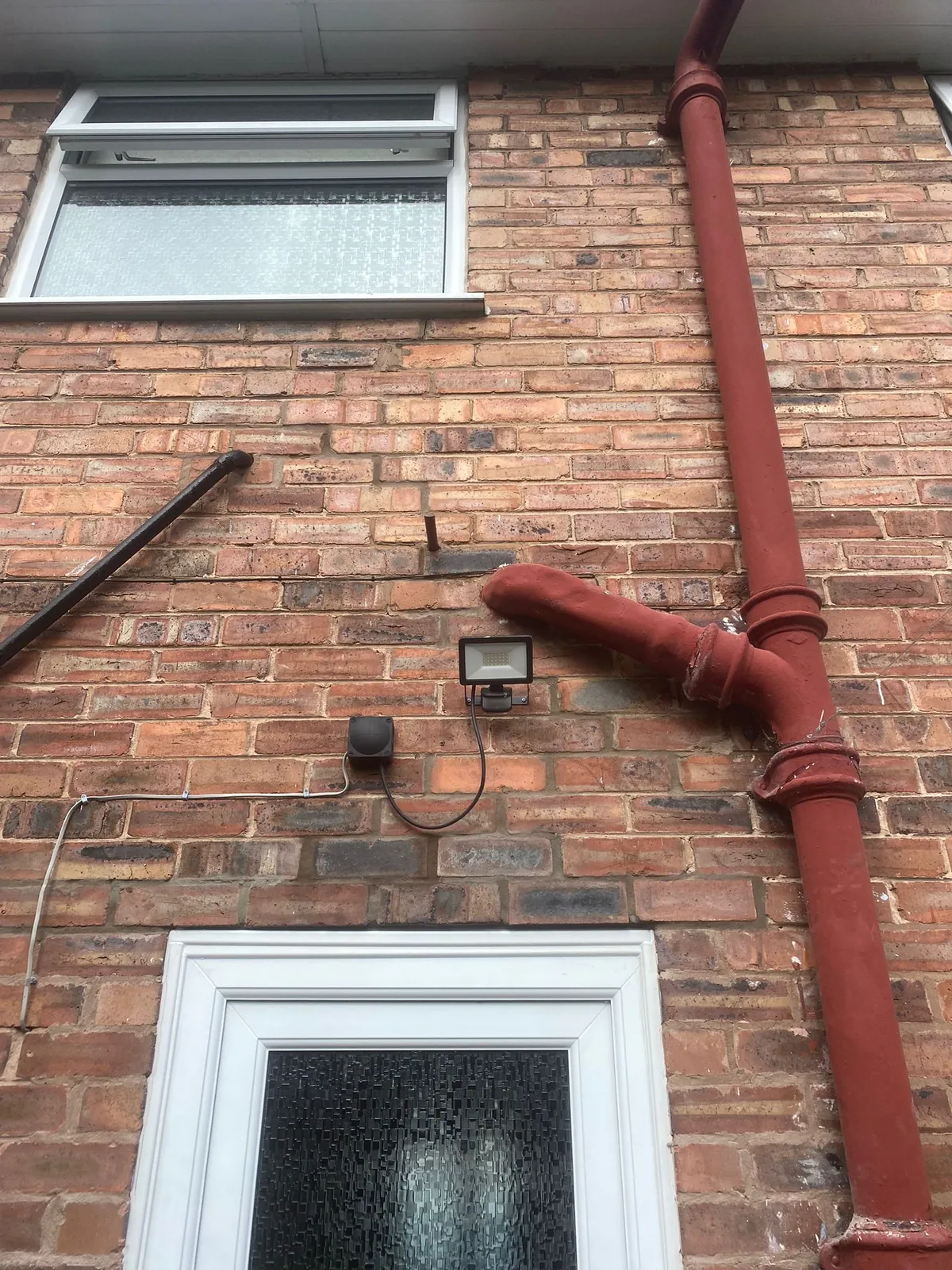
Floors inside are covered and the area is cordoned off. The brickwork above the opening is held on props and needles before anything is cut out, and stays held until the new lintel is carrying the wall.
Rusted steel, cracked concrete or rotten timber is cut out, with as little of the surrounding brickwork disturbed as the job allows.
A steel or concrete lintel suited to the wall and the load is bedded in, to the manufacturer’s specification or the structural engineer’s.
Where the frame has been carrying the brickwork, a lintel is fitted and the brickwork above is rebuilt on it.
In a cavity wall a cavity tray goes over the new lintel, with weep vents in the brickwork, so water that gets into the cavity drains out and does not sit on the steel.
Cracked brickwork is stitched with stainless steel helical bars bedded in resin where it needs it, and damaged bricks are replaced with the closest match available.
The wall is repointed or the render made good, the plaster inside is made good, and the waste is taken away.
What you get in writing. We set out what we found and what we recommend in a written quotation, and when the work is done you get a record of what was carried out.

Patio doors, garage doors and bays are worth a particular look, because a wide opening asks more of whatever is over it.
Cracking gathers at openings because they are the weak points in a wall, so a crack at the corner of a window is not proof that the lintel has failed. The wall may be moving because of the ground, a roof that is spreading, a wall that is not tied to the floors, or an old alteration elsewhere in the house. Replacing a sound lintel does nothing for any of those.
That is why we look at the pattern of cracking across the whole wall, inside and out, before pricing a lintel repair. Our wall crack and brick crack repair page covers cracking that has another cause.
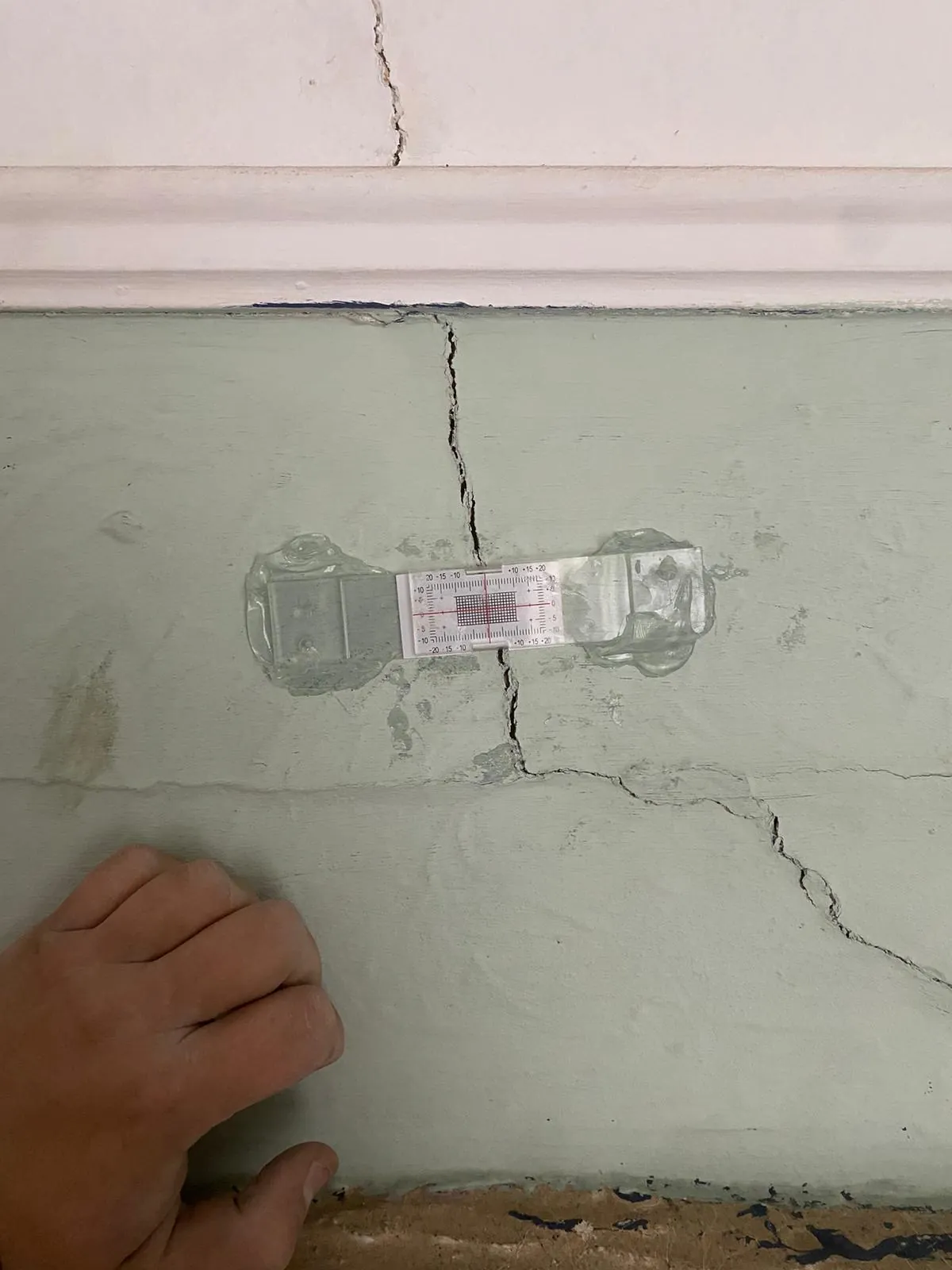
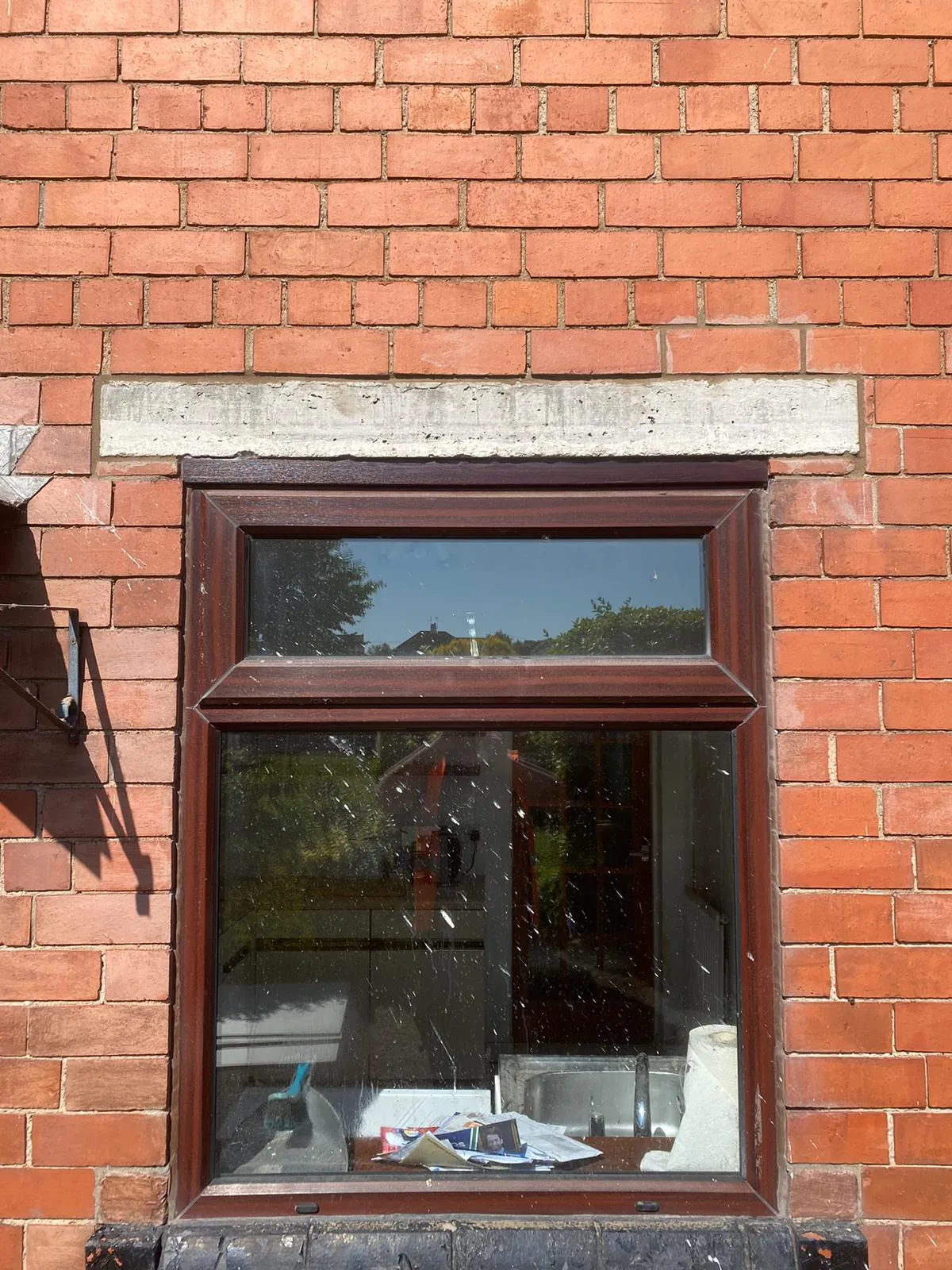
Surveys often pick up lintels: cracking above openings, a corroded lintel, further investigation recommended. If you are buying, send us the page of the survey with photographs of the openings and we will price the repair in writing, so the figure is in front of you before you commit. Our house survey repair quotes page explains how that works.
The paragraph your surveyor wrote about the lintels, with photographs of the openings inside and out.
A written quotation for the repair, so the figure is in front of you before you commit.
Propping, the lintel, the brickwork, the pointing and the plaster inside on one quotation.

One contractor

Steel and concrete lintels fitted over windows, doors and wider openings.
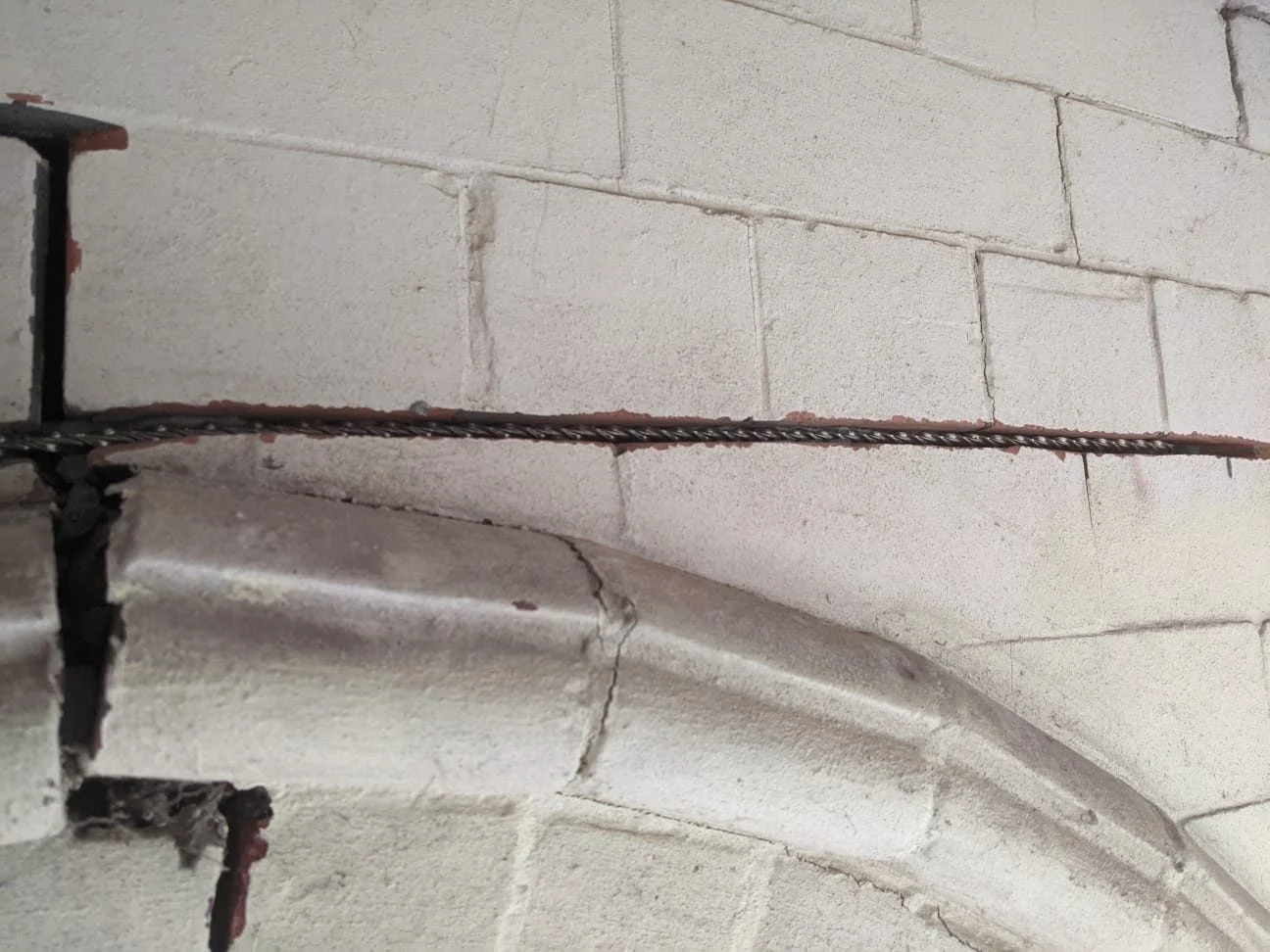
Cracking around the opening tied back together once the lintel is carrying the wall.
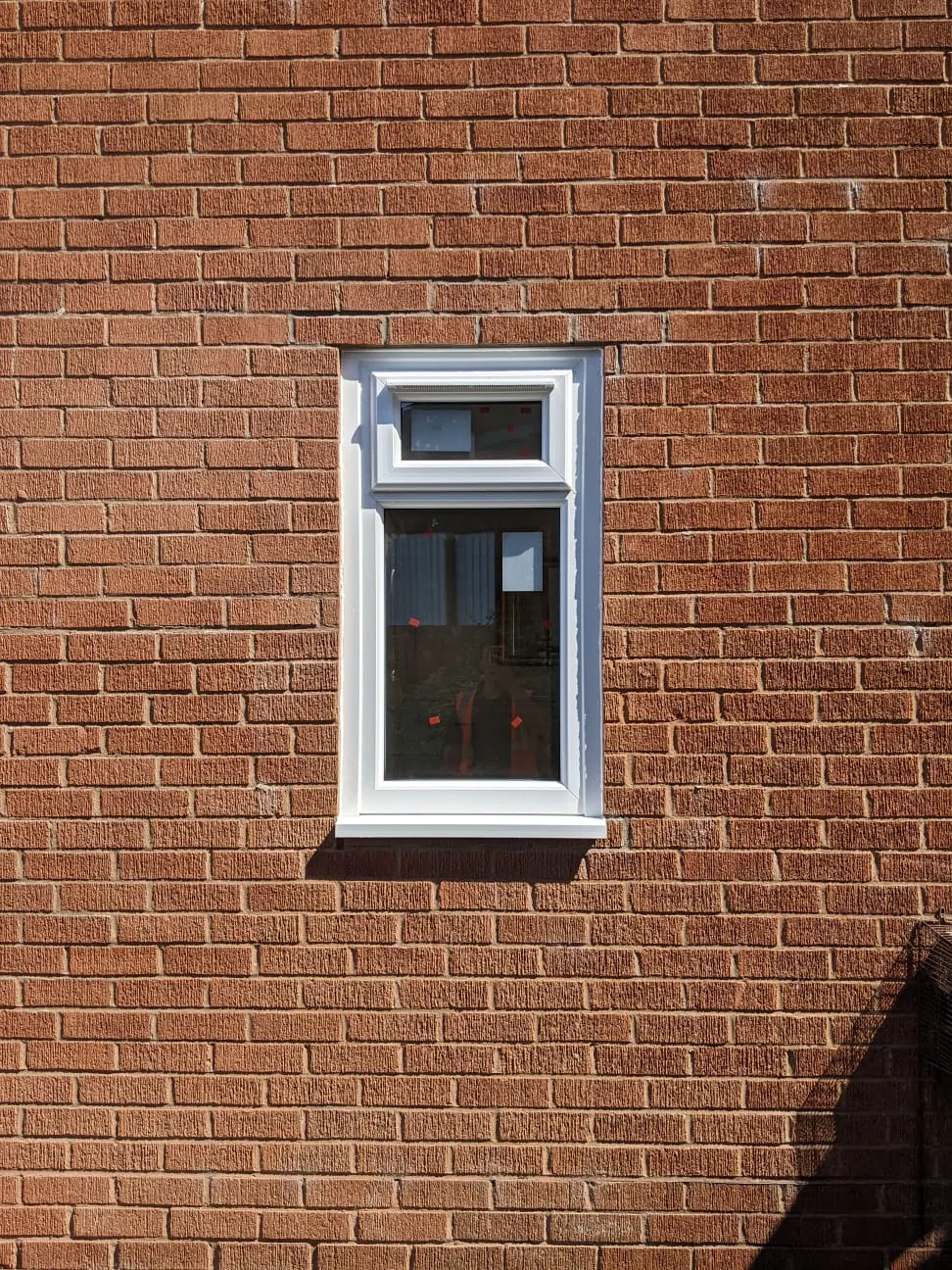
Bricks matched in, joints repointed, and render or pebble-dash patched.
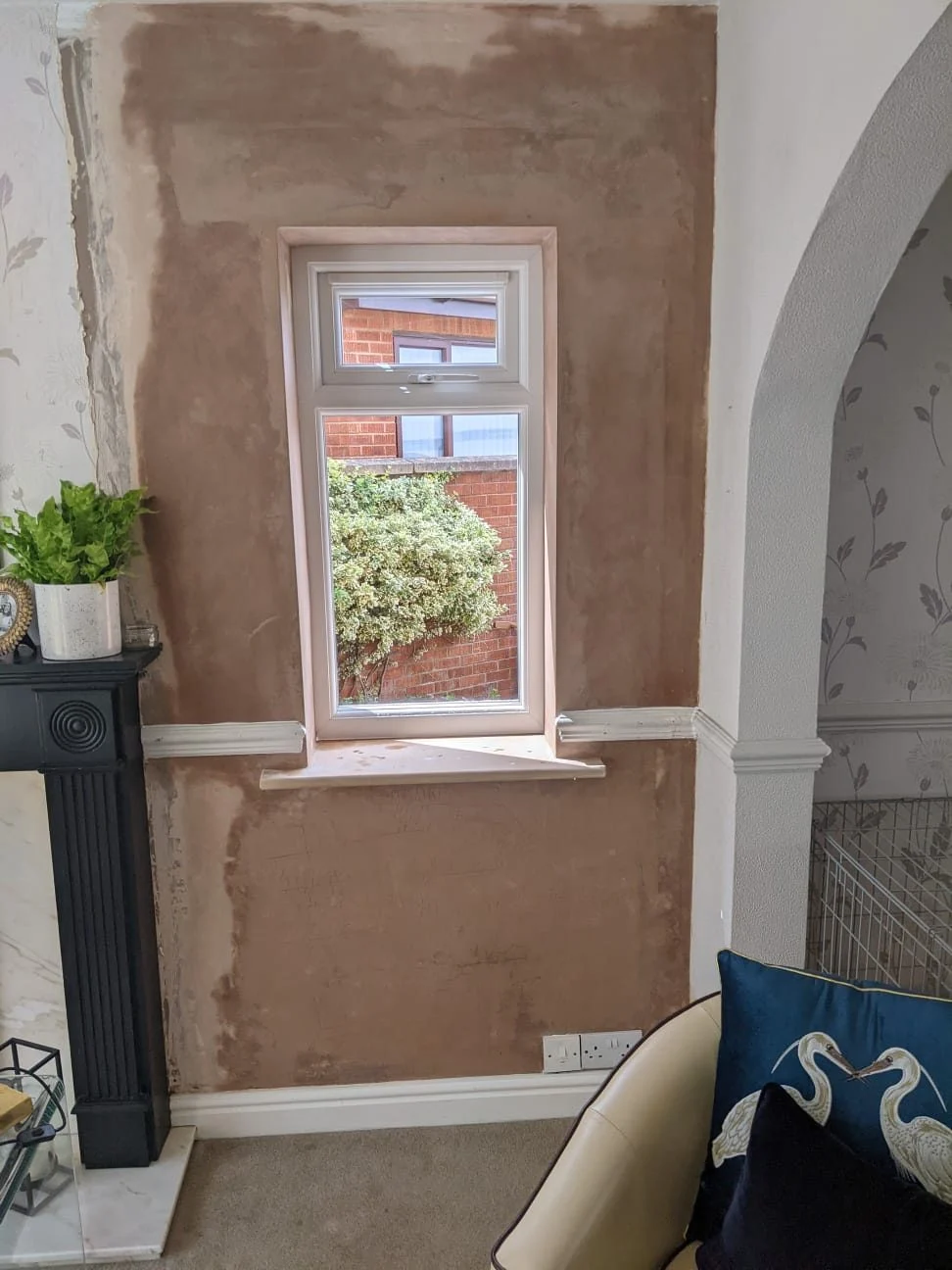
Windows and doors refitted or renewed where they have to come out, and the inside left ready for you to decorate.
Replacement windows and doors are signed off through LABC Building Control.
No. Some can be repaired, and sometimes the lintel is sound and the cracking has another cause. A steel lintel that has rusted through, or a concrete lintel cracked right across, usually comes out. Cracked brickwork over a sound lintel may only need stitching and repointing. We tell you which we think it is, and why, before you commit to anything.
It can be. Brickwork over a failed lintel is relying on the frame and on whatever bond is left in the mortar. If bricks are loose, the brickwork has dropped noticeably or the cracks are widening, keep people away from below the opening, do not force the window or door, and send us photographs. Where part of a wall looks ready to fall, the emergency services come first.
Often. Many lintels can be replaced from outside with the window left in place and protected. Where the new lintel cannot be got in past the frame, the window comes out and goes back afterwards.
Some. The room inside the opening has to be kept clear while the wall is propped, and the plaster around the opening is usually disturbed. We tell you beforehand which rooms are affected.
Yes. Shops, offices and industrial units as well as houses. Where a structural engineer designs the lintel or beam, we build to that design.
Yes. The propping, the lintel, the brickwork and pointing or render outside and the plaster inside are all part of the job, so you are not left finding a second trade to finish the opening.
It depends on the job. The things that move the price are the width of the opening and what the lintel has to carry; what is there now and how it has to come out; whether the wall has a cavity; how much brickwork needs stitching, rebuilding, repointing or re-rendering; access, including whether scaffolding is needed; whether a structural engineer’s specification is called for; and the making good inside. When you compare quotations, check that each one allows for the temporary support, the cavity tray and weep vents where the wall has a cavity, the making good and the waste. Most jobs we can price from photographs — send yours on WhatsApp or by email and we’ll come back with a written quotation.
North Wales, Cheshire and Wirral, from our base at Ewloe Green in Flintshire. The cards above link to the pages for Chester, the Wirral, Flintshire and Wrexham.
Whether a lintel repair needs a structural engineer depends on the opening and on the wall above it. We recommend one before pricing where the opening is wide or is being widened; where the wall above carries something heavy or unusual, such as a bay, a chimney breast or the end of a beam; where the pattern of cracking suggests the wall is moving for another reason; and where a surveyor’s or lender’s report asks for one. The engineer inspects and specifies the lintel or beam and how it is supported, and we build to that specification.
Fitting or replacing a lintel is structural work under the Building Regulations. On a house that normally means a Building Notice, submitted to your council’s Building Control before the work starts. You submit the notice and pay the council’s fee; our quotation tells you this at the start. Where a Building Notice is in place we arrange the Building Control inspections at each stage and photograph the work as evidence. Commercial buildings and blocks of flats need a full plans application instead, so tell us when you enquire. The Building Regulations differ in detail between England and Wales, and which set applies depends on which side of the border the building stands on.
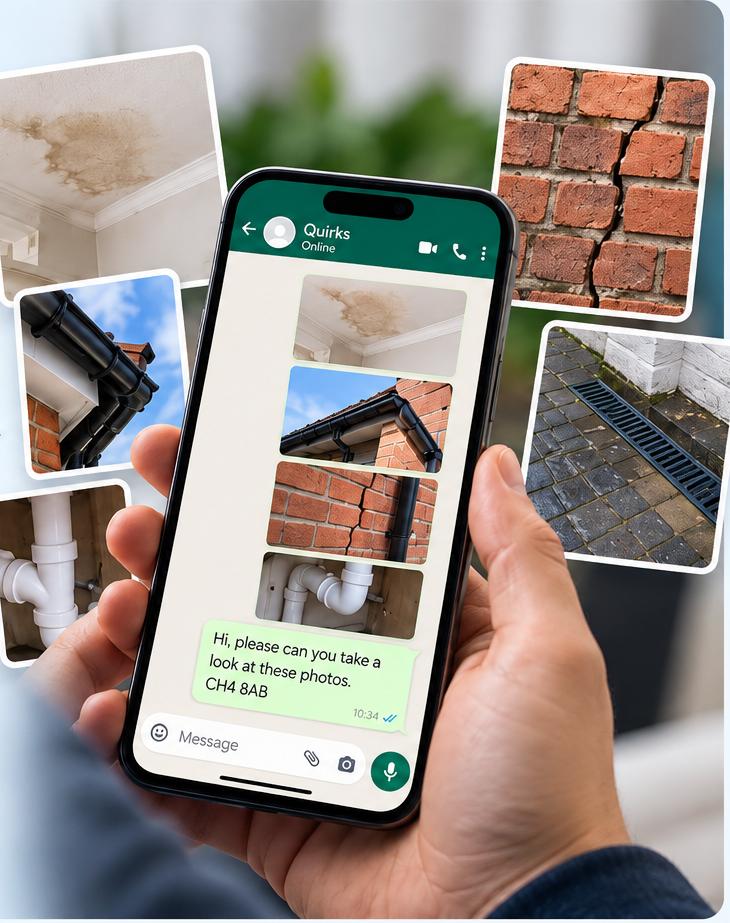
Tell us which window or door it is and what you have noticed, and attach your photographs.
Send us a photo
You don’t need to describe the problem down the phone. A photo tells us most of what we need.

Lintel repair & replacement — send us photographs
WhatsApp or email gets the quickest reply. We come back to you as soon as we can.
Nothing starts until you have agreed the scope in writing.
Written and reviewed by Michael Quirk, Director.