


🧱 Chimney Repairs & Maintenance
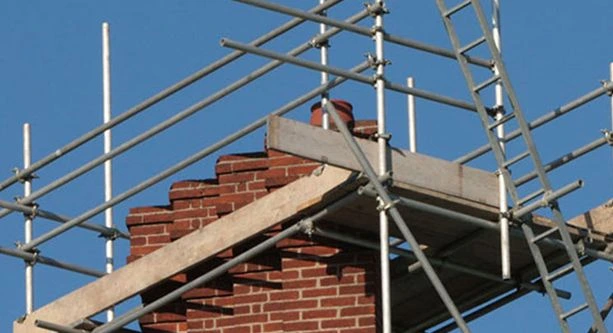
A chimney takes more weather than any other part of the house, so stacks are often the first thing to fail – leaning, leaking, crumbling mortar or damp patches on the chimney breast. We repair, repoint, reflash, rebuild, cap and remove chimneys across Flintshire, Chester, Cheshire, Wrexham, Ellesmere Port and the Wirral.
At Quirks Property Maintenance Ltd, we carry out every type of chimney work – from repointing a weathered stack to rebuilding or safely removing one that’s past saving. We find the real cause, fix it properly, and make good so the roof and brickwork match afterwards.

🏠 What Chimney Works Covers
A chimney stack is the most exposed masonry on the building – wind-driven rain hits it from every side and there’s no overhang to protect it. Chimney works covers repointing, renewing the flaunching and flashing, rebuilding unstable stacks, capping redundant flues, replacing pots, full removal, and treating the damp that failing chimneys cause inside.
⚠️ Common Signs of a Chimney Problem
Your chimney is one of the most exposed parts of your property. Over time, wind, rain, frost and temperature changes cause:
- Crumbling, soft or missing mortar in the stack
- A visible lean or tilt to the stack
- Damp patches or brown staining on the chimney breast inside
- Cracked or hollow flaunching (the mortar cap that holds the pots)
- Loose, cracked or missing chimney pots
- White salt staining (efflorescence) on the brickwork
- Lifting, split or slipped lead flashing where the stack meets the roof
- Bits of mortar or brick appearing in the fireplace or at the base
Damp or staining that sits around the chimney breast specifically usually points to the stack rather than wider roof problems.
🔍 Common Causes of Chimney Failure
- Weather exposure: constant wind-driven rain breaks down old lime mortar and soaks the brickwork. Closely linked to penetrating damp.
- Failed flashing: once the lead where the stack meets the roof lifts or splits, water runs straight into the roof space.
- Cracked flaunching: when the mortar cap cracks, water gets behind the pots and into the stack.
- Redundant flues with no ventilation: a capped-off chimney with no airflow sweats and shows damp inside.
- Age and movement: tall, slender Victorian stacks lean over time as the mortar weathers.
🔧 Our Chimney Services
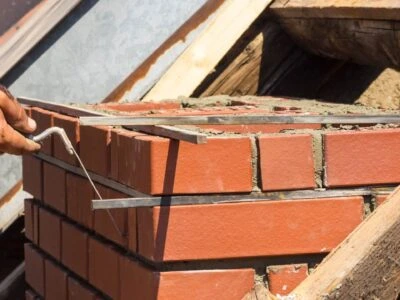
🔹 Chimney rebuilds
Taking down and rebuilding an unstable stack in matching brick or stone
🔹 Chimney repointing
Raking out and repointing weathered mortar joints in a matching mix
🔹 Flaunching renewal
Recasting the mortar cap that beds and holds the pots
🔹 Lead flashing & soakers
Renewing the weatherproofing where the stack meets the roof
🔹 Capping & cowls
Capping redundant flues (vented) to keep rain out without trapping damp
🔹 Pot replacement
Replacing cracked, loose or missing pots
🔹 Chimney removal
Removing the stack to roof or ceiling level and making good
🔹 Chimney damp treatment
Tracing and fixing the cause of damp on the chimney breast
📋 Our Chimney Inspection Process
When we look at a chimney we follow a structured process:
- Safe access and a full assessment of the stack
- Check of the mortar, flaunching, pots and capping
- Inspection of the flashing and the stack-to-roof junction
- Internal check of the chimney breast for damp
- Identifying the underlying cause, not just the symptom
- A clear recommendation: repair, repoint, rebuild or remove
- A clear, no-obligation written quote
- Completion of the works
- Making good and matching the surrounding brick, pointing and roof finishes
That way the root cause is dealt with rather than just patching what’s visible.
⏱️ Why Early Chimney Repairs Save Money
A chimney fault rarely stays still – water finds its way in and the damage spreads. Leave it and a simple repoint can turn into:
- Water into the roof space and ceilings
- Rotten roof timbers and battens
- Internal damp and spoiled plaster on the chimney breast
- An unstable stack that now needs a full rebuild
- Noticeably higher repair costs
Catching it early is almost always the cheaper option. Where a stack has already let water into the roof, see our emergency roof repairs service.
🏠 Chimney Problems by Property Type
Different buildings throw up different chimney problems – knowing the age and construction helps us get straight to the cause.
Victorian & Edwardian terraces
Tall, slender stacks with multiple flues, often shared on a party wall. Common issues: leaning stacks, weathered pointing, cracked flaunching, corroded flashing and damp on the chimney breast.
Period & listed properties
Original lime mortar with soft brick or stone. These need matching lime-based repointing and sympathetic rebuilds – a hard cement mortar traps damp and looks wrong.
Solid-wall & stone homes
Exposed rural and hillside stacks that weather fast; repointing, flaunching renewal and rebuilds are the usual work.
Modern homes
Capped or redundant flues that sweat and show damp inside without ventilation, plus the occasional flashing or pointing defect.
Commercial & larger buildings
Bigger stacks, multiple flues and access to plan around; we work to minimise disruption.
💷 What Affects the Cost
Every chimney is priced on what it actually needs rather than a fixed rate. The main factors are:
- The work needed – repointing is far less than a full rebuild or removal
- Stack height and access – most stack work needs scaffolding for safe access
- The number of flues and pots
- Matching brick, stone and mortar on a period or listed property
- Making good the roof, flashing and any internal finishes
- We give a firm, no-obligation quote after assessing the actual stack, so you know the cost before any work begins.
🛡️ Preventing Chimney Problems
- Keep the pointing and flashing maintained – it’s the first defence against water
- Cap redundant flues (vented) to keep rain out without trapping damp
- Keep gutters and valleys clear so water doesn’t back up around the stack
- Have the stack checked whenever the roof is being worked on – the access is already there
Related Services:


📚 Chimney Case Studies
Chimney Rebuild Following Structural Deterioration
A homeowner contacted Quirks Property Maintenance Ltd after concerns were raised regarding a visibly leaning chimney stack.
Inspection identified extensive deterioration within the mortar joints and instability affecting the upper section of the stack. The unsafe section was carefully dismantled and rebuilt using matching materials, new flaunching was installed, and the chimney pots were securely rebedded.
Outcome:
- Structural stability restored
- Unsafe masonry removed
- Chimney appearance matched existing property
- Long-term durability improved
📋 Chimney Removal & Building Regulations
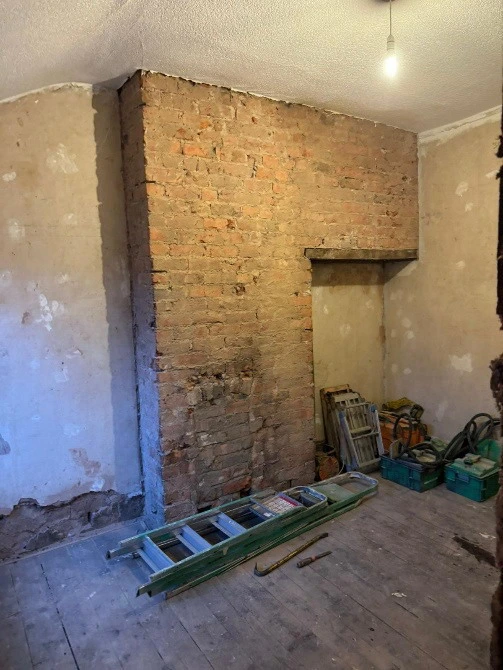
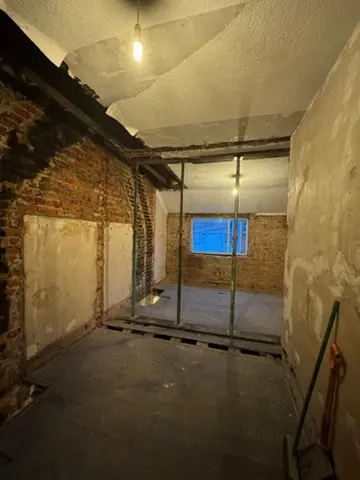
Most repointing, flashing and flaunching work doesn’t need Building Control. Removing a chimney breast or stack is a structural job, though – it can need proper support (a gallows bracket or steel beam) and may fall under Building Regulations. We handle that side and work with Building Control and a structural engineer where it’s needed.
❓ Frequently Asked Questions
Why is my chimney leaking?
Most chimney leaks come from failed lead flashing where the stack meets the roof, or from cracked flaunching letting water in around the pots. We trace the actual entry point rather than guessing.
Can a leaning chimney be saved, or does it need rebuilding?
It depends how far it’s gone. A slight lean caught early can sometimes be repointed and stabilised; a stack that’s moved significantly is safer taken down and rebuilt in matching brick.
Will I need scaffolding?
For most stack work, yes – it’s the safe way to access and work on a chimney. We’ll include it in the quote so there are no surprises.
My chimney breast is damp inside – what causes that?
Often a capped flue with no ventilation, or failed flashing letting water track down the stack. See our chimney damp page below – we treat the cause, not just the stain.
Will repairing my chimney stop damp?
Often yes. Many chimney-related damp issues come from faulty flashing, mortar failure or damaged pots.
📍 Recent Chimney Projects
Quirks Property Maintenance Ltd regularly carries out chimney repair, chimney rebuilding, chimney repointing, lead flashing repairs and structural chimney works across North Wales, Chester, Cheshire and the Wirral. Recent chimney projects include:
| Chimney Stack Repointing In Chester – Raking out defective mortar joints and re pointing a weathered chimney stack to improve weather resistance and reduce the risk of water ingress. |
| Lead Flashing Repairs In Flintshire – Repairing defective chimney leadwork where water was tracking around the base of the stack and causing damp issues internally. |
| Structural Chimney Repairs In Wrexham – Investigating cracking around a chimney stack and carrying out localised masonry repairs to improve stability and safety. |
| Chimney Stack Repairs In Wirral – Repairing cracked brickwork, deteriorated mortar joints and weathered chimney details on a residential property. |
| Chimney Rebuilding Works In Cheshire – Carefully dismantling unstable chimney masonry and rebuilding defective sections using suitable materials and weathering details. |
| Chimney Removal Works In Chester – Removing redundant chimney masonry safely, with temporary support and structural considerations where required. |
| Chimney Capping And Ventilation Works In North Wales – Capping unused chimney pots while allowing suitable ventilation to help reduce damp, debris entry and weather-related issues. |
| Chimney Brickwork Repairs In Ellesmere Port – Replacing damaged bricks, repairing open joints and improving the external condition of a weathered chimney stack. |
⭐ Why Choose Quirks
Homeowners across the region call us for leaning, leaking and crumbling chimneys. People consistently value:
- Honest advice on repair vs rebuild vs removal
- Safe, properly accessed work
- Brickwork and pointing that matches afterwards
- Clear, no-obligation quotes
📞 Get a Free Chimney Assessment
If you’re concerned about cracks, movement, loose brickwork or water ingress around your chimney, Quirks Property Maintenance can help. We provide honest advice, clear quotations and high-quality chimney repairs throughout the local area.
Call: 01244 638219
Email: info@quirksonline.co.uk
WhatsApp: 07719 535523
Contact us today to arrange your free chimney assessment and quotation.
