A Fast, Efficient and Friendly Building and Maintenance Service You Can Depend On.

Damp Proofing Services

💧 Damp Proofing — Survey-Led Damp & Moisture Control Across Cheshire, the Wirral & North Wales

In short: Most damp is curable once it is correctly diagnosed — and a great deal of “rising damp” turns out to be something cheaper to fix. Quirks Property Maintenance Ltd provides survey-led damp proofing across Flintshire, Chester, Cheshire, the Wirral, Wrexham and North Wales. We diagnose the real cause, treat it properly, and make good — all trades under one roof.

We are FOD (Federation of Damp) members, our surveys are carried out by FOD Certified Surveyors, and we are approved contractors for PAM Ties and Safeguard Europe. With over 20 years across every building trade, that means we can do what a damp-only firm cannot: find that the cause is a leaking gutter, bridged DPC or failed pointing, fix that cause, and then carry out any treatment, plastering and structural repair the property needs — under one roof.

Last reviewed: August 2026

🔑 Key Takeaways

  • Correct diagnosis comes first — we survey before we recommend, and we will tell you if you do not need a chemical damp-proof course.
  • We treat all forms of damp: rising, penetrating, condensation, below-ground and damp floors — and the timber decay that follows them.
  • FOD-certified surveyors; PAM Ties and Safeguard approved contractor; BBA-approved products; product and workmanship guarantees where applicable.
  • All trades in-house — we fix the underlying building defect and make good afterwards, not just inject and re-plaster.
  • Genuinely local to Flintshire, Chester and the Wirral — not a regional call centre.

📞 Book a damp survey: call 01244 638219, WhatsApp 07719 535523, or email info@quirksonline.co.uk for honest advice and a no-obligation quotation.

🧭 Why Correct Diagnosis Comes First

Damp is not one condition, and the treatment that fixes one type does nothing for another. Rising damp, penetrating damp and condensation look similar on a wall and have completely different causes — which is why we survey before we recommend, and why we will tell you when no treatment is needed at all.

Historic England, RICS and the Property Care Association have published a joint position on investigating moisture in traditional buildings, warning that money is wasted when the cause of damp is not properly diagnosed — and that the wrong remedial work can make the problem worse. That is why we survey before we recommend.

A damp survey identifies the actual cause, and the written report tells you what is wrong and what it will take to put right before anything is quoted.

💧 What Are the Main Types of Damp?

Damp is not one problem. Telling the types apart is the whole job — read more on the signs and causes of damp, or see the comparison table below. We treat all of them, and the timber decay that follows them, including dry rot treatment.

Rising damp

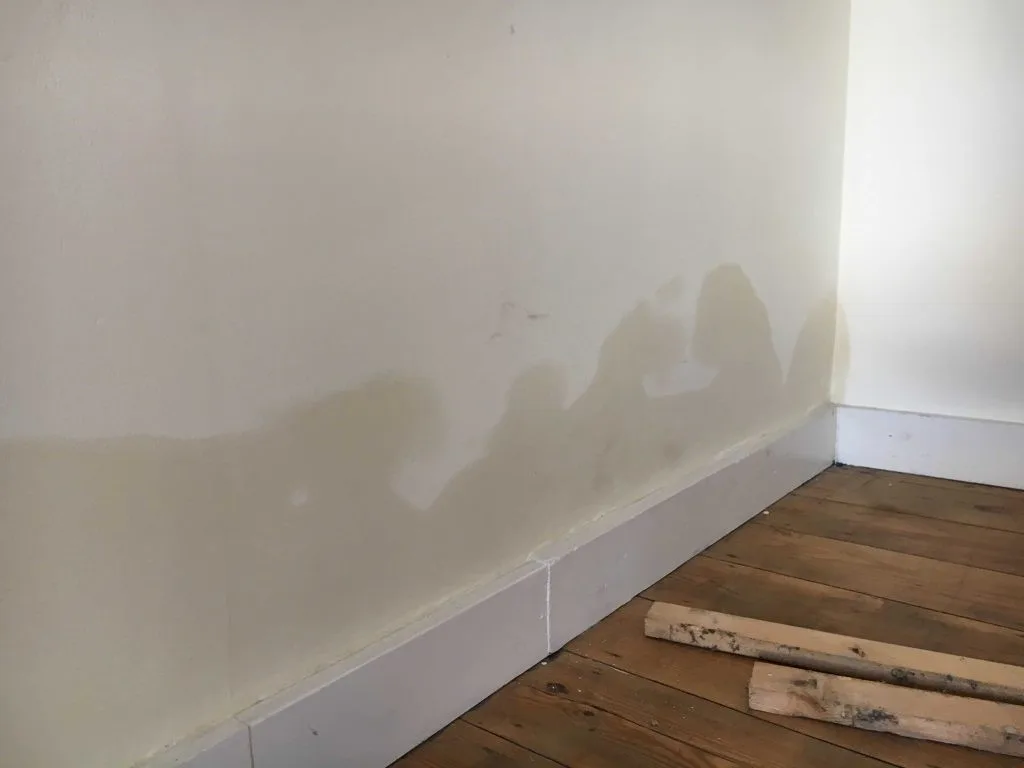
Rising damp is ground moisture drawn up through porous masonry by capillary action where a damp-proof course has failed, been bridged or was never fitted. The tell-tale signs are a tide mark up to about a metre high, white salt deposits, flaking plaster and rotting skirting. It is genuinely less common than it is diagnosed. Where confirmed, the fix is a remedial DPC, salt-contaminated plaster removed and renovating plaster applied.

Tide mark of rising damp low on an internal wall above a wooden floor
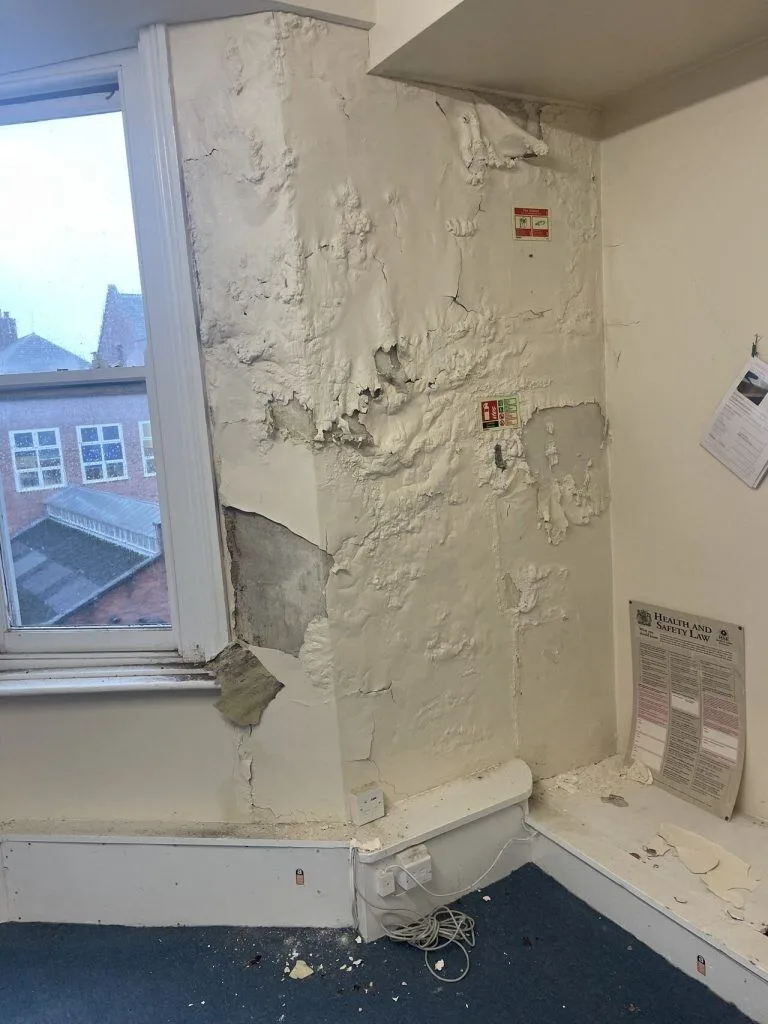
Plaster damaged by penetrating damp on an internal wall beside a window
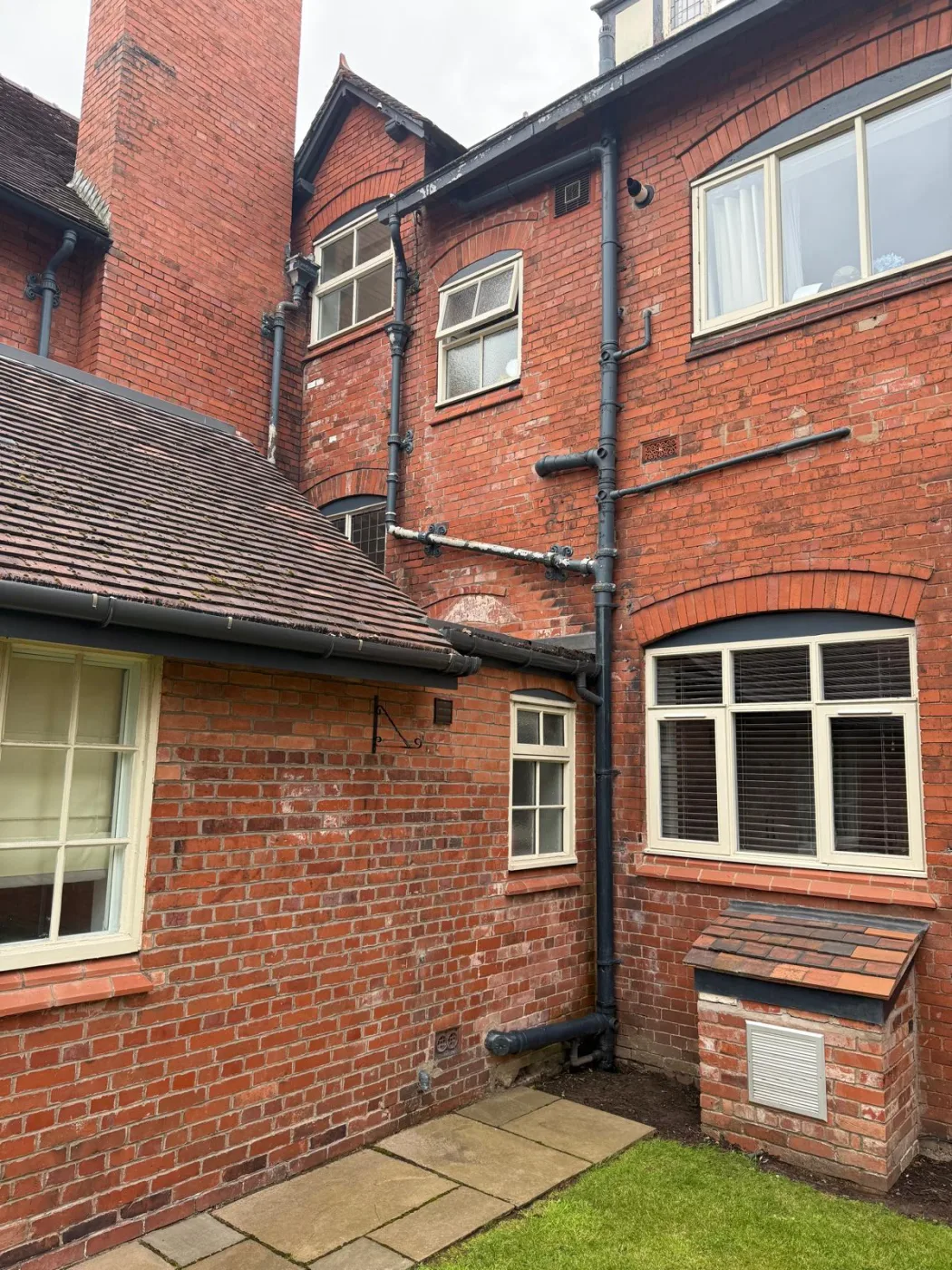
Rear elevation brickwork and rainwater goods on a property affected by penetrating damp
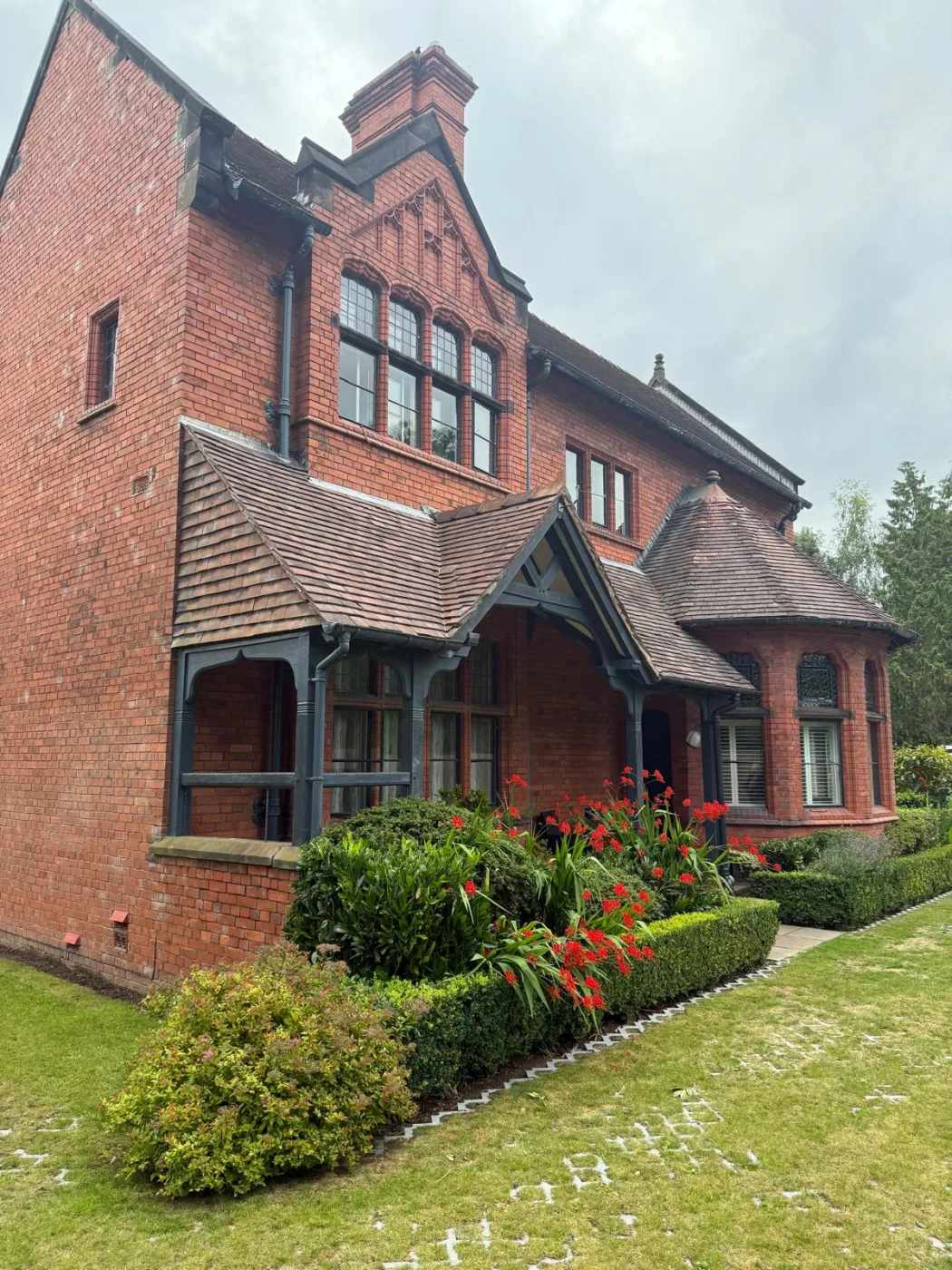
Front elevation of a brick property of the type prone to penetrating damp

Penetrating damp

Penetrating damp is rainwater entering through a defect in the building envelope — damaged pointing, porous or spalled brick, cracked render, a roof or chimney damp fault, or blocked gutters and downpipes. It shows as random patches that worsen after rain, often higher up the wall, usually without black mould. The cure is to repair the external defect first; only then does any internal making-good last.

Condensation and black mould

Condensation is the most common form of damp: warm, moisture-laden air from cooking, showering, breathing and drying clothes indoors meeting cold surfaces and forming water droplets, then black mould. It is a ventilation-and-warmth problem, not a treatment-injection problem. Solutions include Positive Input Ventilation (PIV), extract fans, improved insulation and moisture control — fixing the cause, not painting over the symptom. See our condensation and mould control service.

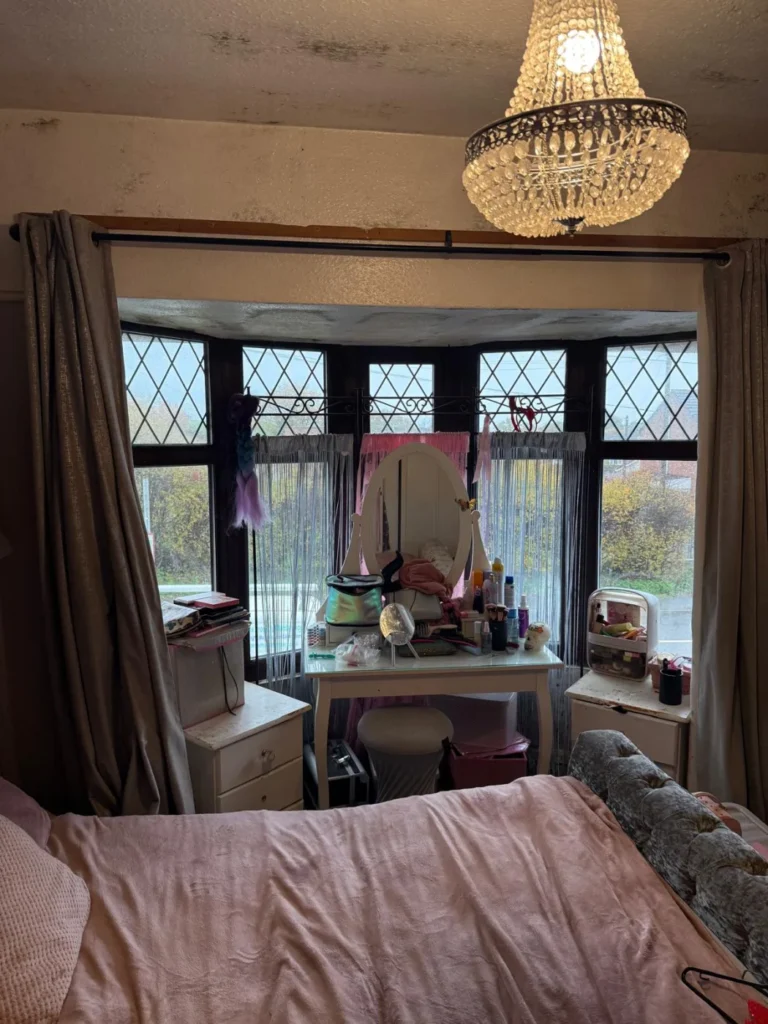
Condensation mould staining on the ceiling above a bay window in a bedroom
Illustration of a damp survey being carried out by two surveyors

🔍 Survey First, Treat the Correct Cause

Damp patches, mould, damaged plaster and musty smells can have several possible causes, including condensation, external water ingress, plumbing leaks, defective rainwater goods or a bridged damp-proof course. Because these problems require different solutions, treatment should never be specified from the visible symptoms alone.

The joint guidance published by Historic England, RICS and the Property Care Association supports a whole-building approach that identifies the source of moisture before remedial work is recommended. Quirks Property Maintenance Ltd is a Federation of Damp member, and our professional damp surveys are undertaken by FOD Certified Surveyors (FODCS). Customers receive recorded findings, photographic evidence and a clear written report before any remedial quotation is prepared.

Damp floors

Concrete floors are porous and let ground moisture rise by capillary action where the damp-proof membrane has failed or was never fitted, damaging carpets, vinyl, laminate and timber finishes. Depending on the slab and the moisture readings, the fix is a new membrane, a surface damp-proof system or an epoxy resin coating — chosen after the floor is tested, not guessed. See damp floor treatments.

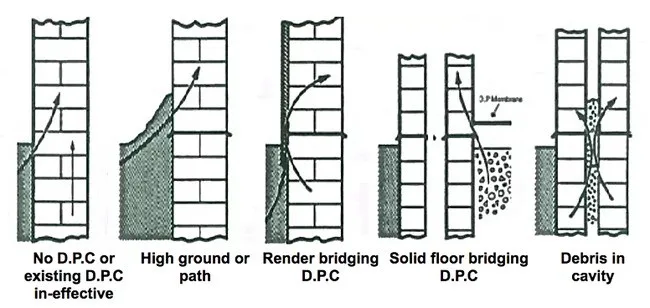
Diagram showing how a damp proof course can be bridged or fail
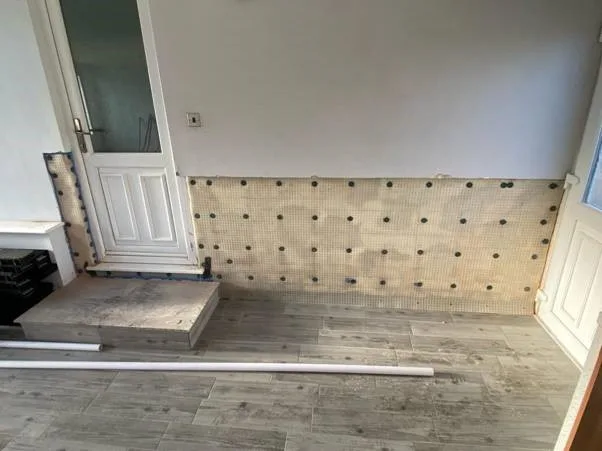
Studded damp proof membrane fitted to a wall beside a doorway
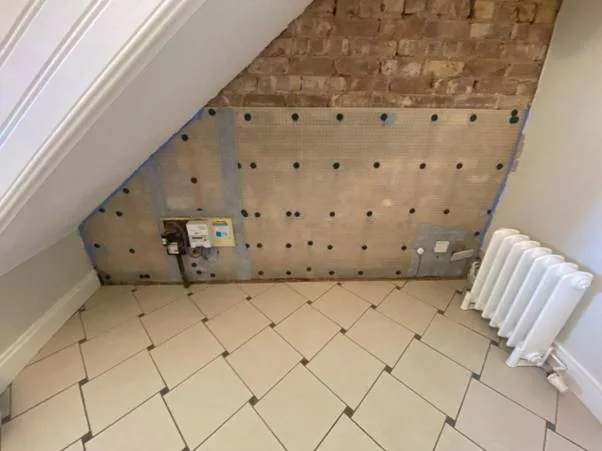
Studded damp proof membrane fitted to a wall behind a radiator

🛠️ Our Rising Damp Treatment Process

We provide a structured and permanent solution:

  • Professional assessment to identify the root cause
  • External checks including ground levels and defects
  • Removal of internal plaster to a minimum height of 1 metre
  • Installation of a new damp proof course using BBA-approved chemical injection
  • Installation of a stud membrane system (3mm cavity membrane)
  • Replastering and finishing for a clean, durable result

Advantages of Our System:

  • Allows natural drying of the wall
  • Prevents salt contamination
  • Provides long-term protection

Backed by manufacturer guarantees (including 10-year membrane systems)

🔍 Rising, Penetrating or Condensation? How to Tell the Difference

Rising, penetrating or condensation? How to tell the difference
SignRising dampPenetrating dampCondensation
Where on the wallLow down, up to ~1mAnywhere, often higher upCold spots, corners, around windows
PatternEven tide markRandom patchesEven film, then black mould
Worse whenAll year roundAfter rainCold weather, poor ventilation
Tell-taleWhite salt band, rotten skirtingPatch lines up with an external defectBlack mould, streaming windows
Black mould?RarelyRarelyAlmost always
Usual real causeFailed/bridged DPC (genuinely uncommon)Gutter, pointing, render or roof defectLifestyle moisture + poor ventilation
Right fixRemedial DPC + replasterRepair the external defectVentilation (PIV/extract) + warmth

The three are constantly confused — which is how the wrong treatment gets sold. This is the quick comparison; a survey confirms it.

⚖️ Quirks vs a Typical Damp-Injection Firm

Quirks vs a typical damp-injection firm
FactorQuirksTypical damp-injection firm
DiagnosisFOD-certified survey, cause firstOften defaults to a chemical DPC
Can fix the actual cause?Yes — roof, gutters, pointing, ground levelsNo — damp treatment only
Makes good afterwards?Yes — plaster & decoration, in-houseUsually leaves you to find a plasterer
Local?Genuinely — based in FlintshireOften a regional call centre
TradesAll under one roofOften subcontracted

🫁 Why Damp and Mould Matter for Your Health

Damp and black mould are not just unsightly — they affect health. Mould releases spores that can trigger or worsen asthma, allergies, coughing and skin irritation, and the risk is highest for children, older people and anyone with a respiratory condition. Official health guidance advises treating damp and mould promptly rather than living with it. That is the honest reason we treat the cause, not just repaint the surface — a wall that is painted over is a wall that is still damp behind the paint.

🛡️ Our Accreditations — Why They Matter

  • Federation of Damp (FOD) members — work carried out to recognised industry standards.
  • FOD Certified Surveyors (FODCS) — diagnosis by qualified surveyors focused on correct cause, not a sales script.
  • PAM Ties & Safeguard Europe approved contractors — trained and approved to install manufacturer systems correctly, which is what makes a guarantee worth having.
  • BBA-approved products — for chemical DPC and membrane systems where treatment is genuinely required.
  • 20+ years, fully insured, Building Control experienced, all trades in-house — we fix the cause and make good,.

🔧 Our Full Range of Damp Services

  • Diagnosis & surveybook a damp survey with a clear written report and honest recommendation.
  • Rising damprising damp treatment with BBA-approved remedial DPC, salt-contaminated plaster removal, renovating plaster, full skim.
  • Penetrating damp — repointing, render repair, Stormdry water-repellent, roof, chimney damp and gutter repair to fix the cause.
  • Condensation & mouldcondensation damp control: PIV, extract ventilation, insulation, vapour control and mould treatment.
  • Basement & below-groundcellar conversion and tanking, cavity-drain membranes, sump and pump.
  • Damp floorsdamp-proofing a concrete floor: membrane renewal, surface DPM and epoxy resin systems after moisture testing.
  • Timberwet rot treatment and dry rot treatment, plus structural timber repair.

📋 What to Expect — Survey, Report, Treatment, Guarantee

  • Survey. An FOD Certified Surveyor inspects the property and identifies the true cause.
  • Written report & quote. Clear findings and an honest recommendation — including telling you if no treatment is needed.
  • Cause fixed first. External or structural defects repaired before any internal treatment, so the fix lasts.
  • Treatment & making-good. Approved systems installed, then plastering and decoration — all in-house.
  • Guarantee. Product and workmanship guarantees are provided where applicable, depending on the system installed and manufacturer terms. We provide the relevant documentation on completion.

📍 Areas We Cover

Chester & Cheshire (CH1–CH4) · Flintshire & Deeside (CH5–CH8) · the Wirral (CH41–CH49, CH60–CH63) · Wrexham (LL11–LL14) · North Wales.

🏛️ Local Knowledge — Property Types by Area

  • Chester & Cheshire — period, listed and conservation property; 9-inch solid-wall Victorian terraces in Hoole and Handbridge with no cavity, so envelope defects reach the plaster fast; timber-framed historic buildings needing lime-compatible, breathable treatment.
  • Flintshire & Deeside — estuary-side Victorian terraces, upland natural-stone cottages in lime mortar, and inter-war semis. We are based here — fastest local survey. Remedial work falls under Welsh Building Regulations.
  • The Wirral — predominantly pre-war solid-wall stock; salt-laden coastal air accelerates pointing erosion and lintel corrosion, so penetrating damp is the dominant problem on exposed elevations at West Kirby, Hoylake and New Brighton.

Before, During and After – Damp Proofing & External Drainage in Deeside, Flintshire

A homeowner in Deeside (CH5) asked Quirks to deal with damp affecting the ground-floor walls of their property. Our survey found a failed damp proof course, with a downpipe that was not discharging correctly, allowing rainwater to collect at the base of the external wall. The team removed the damp-affected plaster, installed a new damp proof course with a studded damp-proof membrane to the treated walls, and excavated along the external wall to install ACO channel drainage, carrying rainwater away from the house. A trickle vent and a dMEV extract fan were fitted to improve ventilation, and the walls were replastered and finished with new skirting, ready for decoration. The work was completed in March 2025, and the customer left a verified 10/10 review.

Why the work was needed

The ground-floor walls showed damp staining and tide marks above the skirting line, and decoration in the affected room was starting to spoil. Our survey found two problems working together: the damp proof course had failed, and a downpipe was not discharging correctly, allowing rainwater to collect at the base of the external wall. Left untreated, damp of this kind continues to draw moisture into plaster and decoration and worsens over time. The remedy dealt with both sides of the problem: a new damp proof course and studded membrane internally, and ACO channel drainage externally to carry water away from the base of the wall — with the ventilation improved so everyday moisture has a way out of the house.
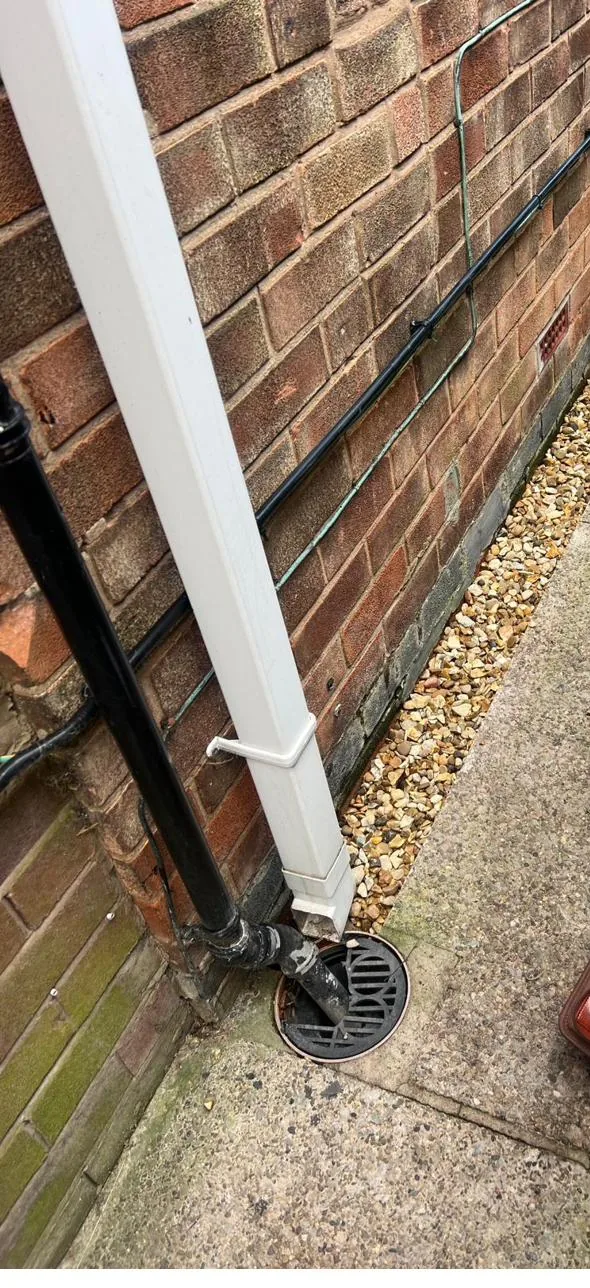
Damp survey inspection at the external wall of a Deeside property
The survey visit at the external wall — the downpipe discharging at the base of the property.

Before – Damp Affecting the Ground-Floor Walls
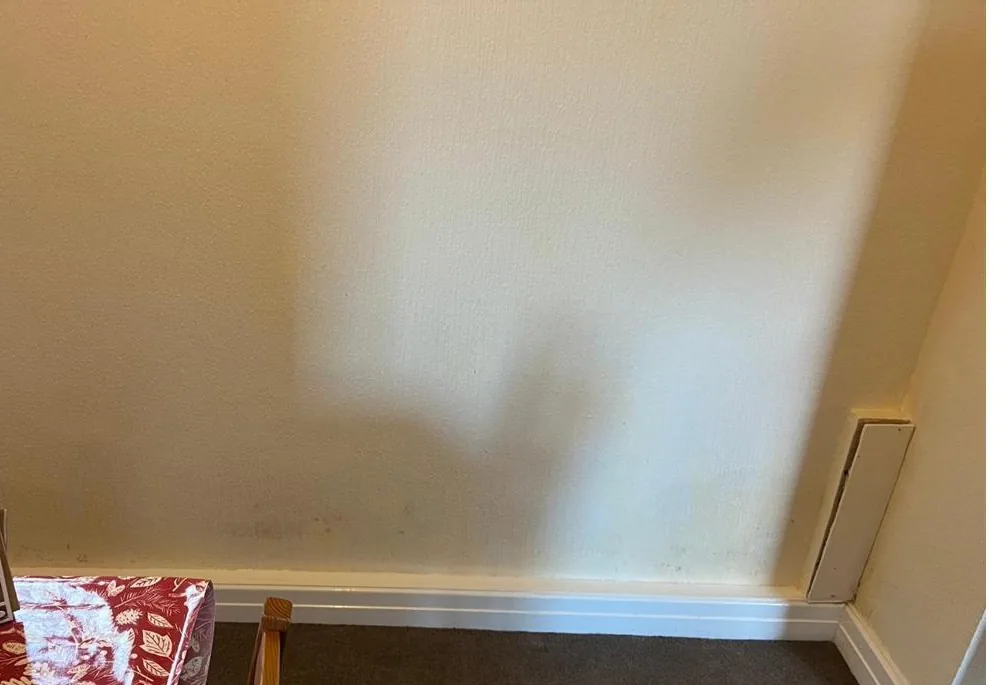
Damp staining on a ground-floor wall before damp proofing in Deeside
Damp staining and tide marks visible on the ground-floor wall above the skirting before works began.

During – Damp Proof Membrane Installation
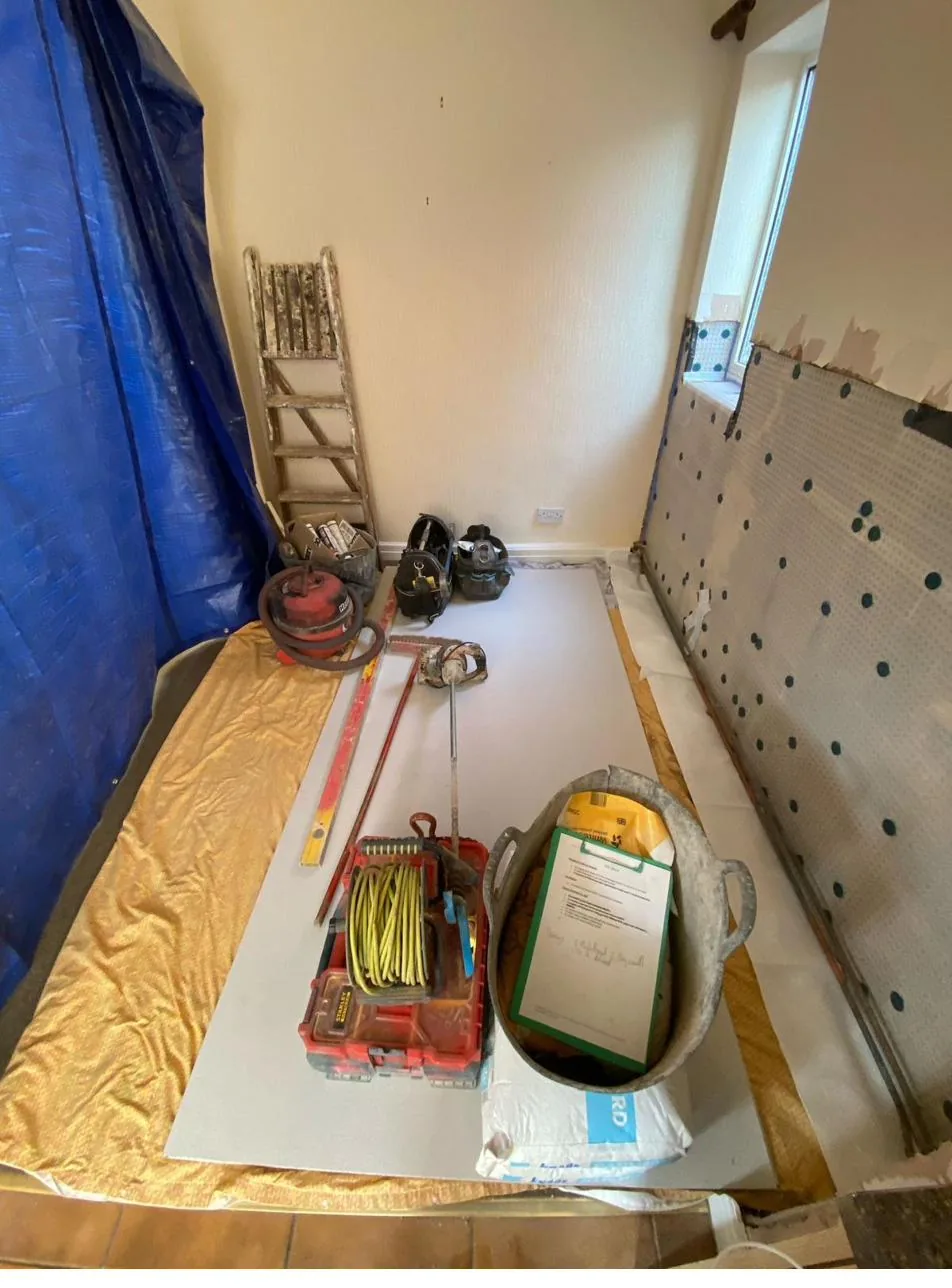
Studded damp proof membrane fixed to walls during damp proofing in Deeside
A studded damp-proof membrane fixed to the treated walls after the old plaster was removed — floors and furnishings protected throughout the works.

After – Reinstated and Ready for Decoration
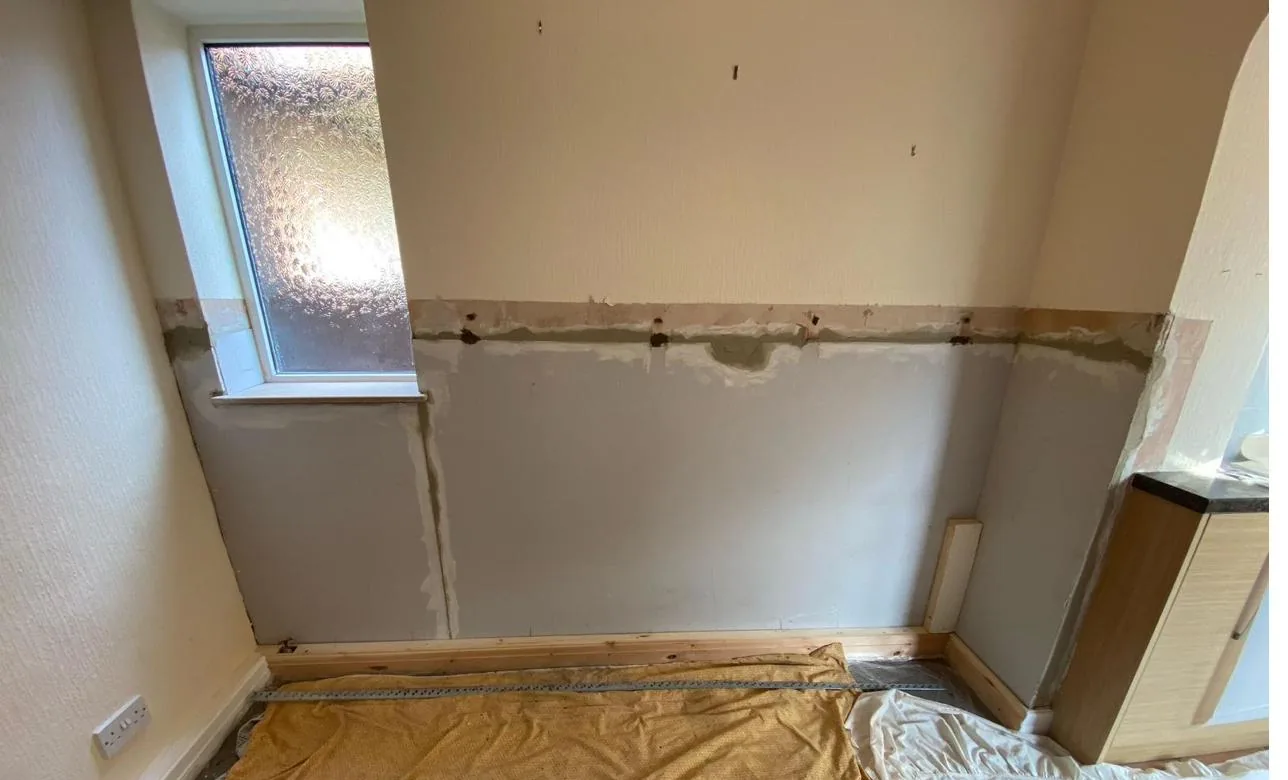
Reinstated wall with new skirting after damp proofing in Deeside
The treated walls reinstated with new timber skirting, ready for decoration — photographed before decorating.
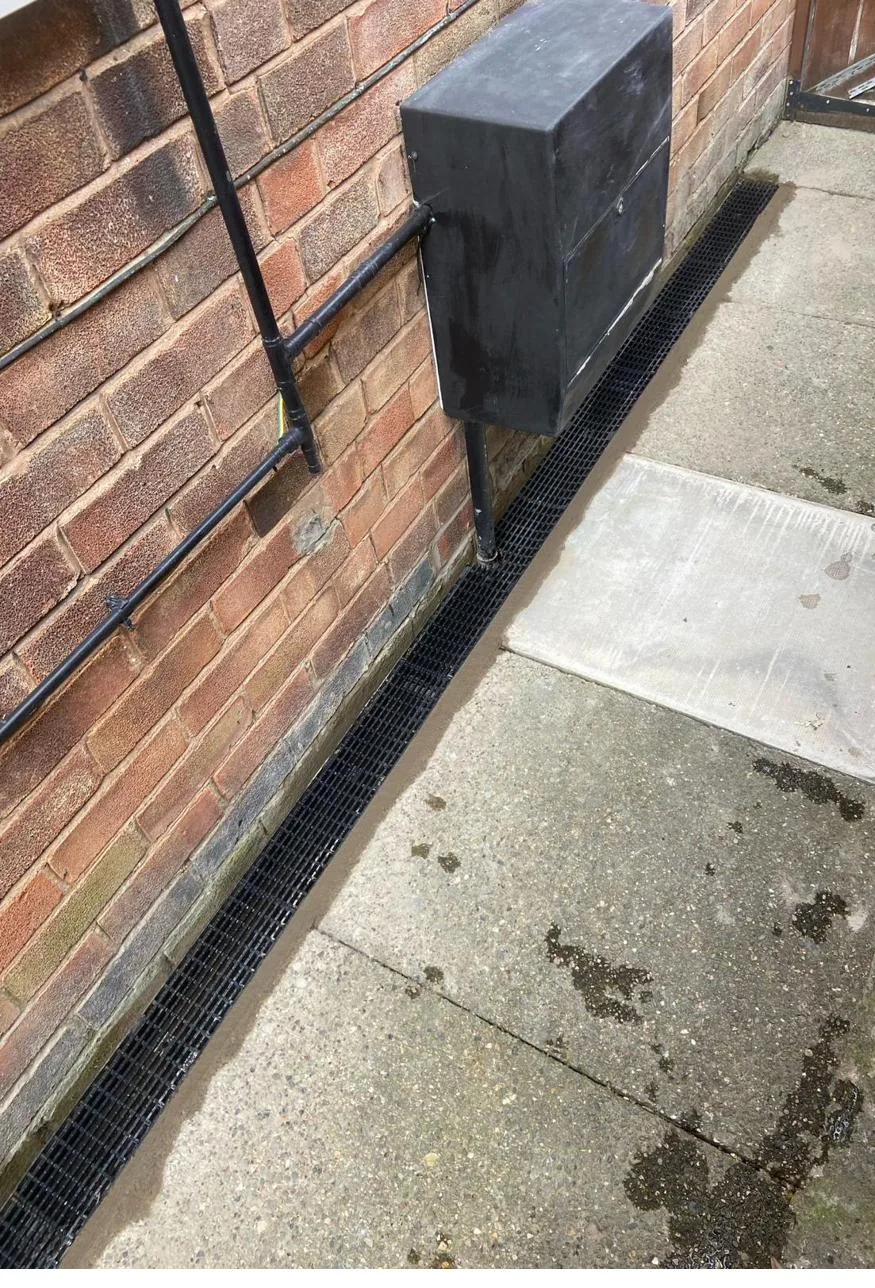
New ACO channel drainage installed along an external wall in Deeside
New ACO channel drainage installed along the external wall, carrying rainwater away from the house.

Continuous ventilation — the dMEV fan

As part of the ventilation improvements, a dMEV fan was installed to provide continuous low-level extraction. This helps remove moisture-laden air generated by everyday activities and reduce the risk of condensation. If the installed model includes humidity controls, the unit can increase extraction automatically when humidity levels rise.
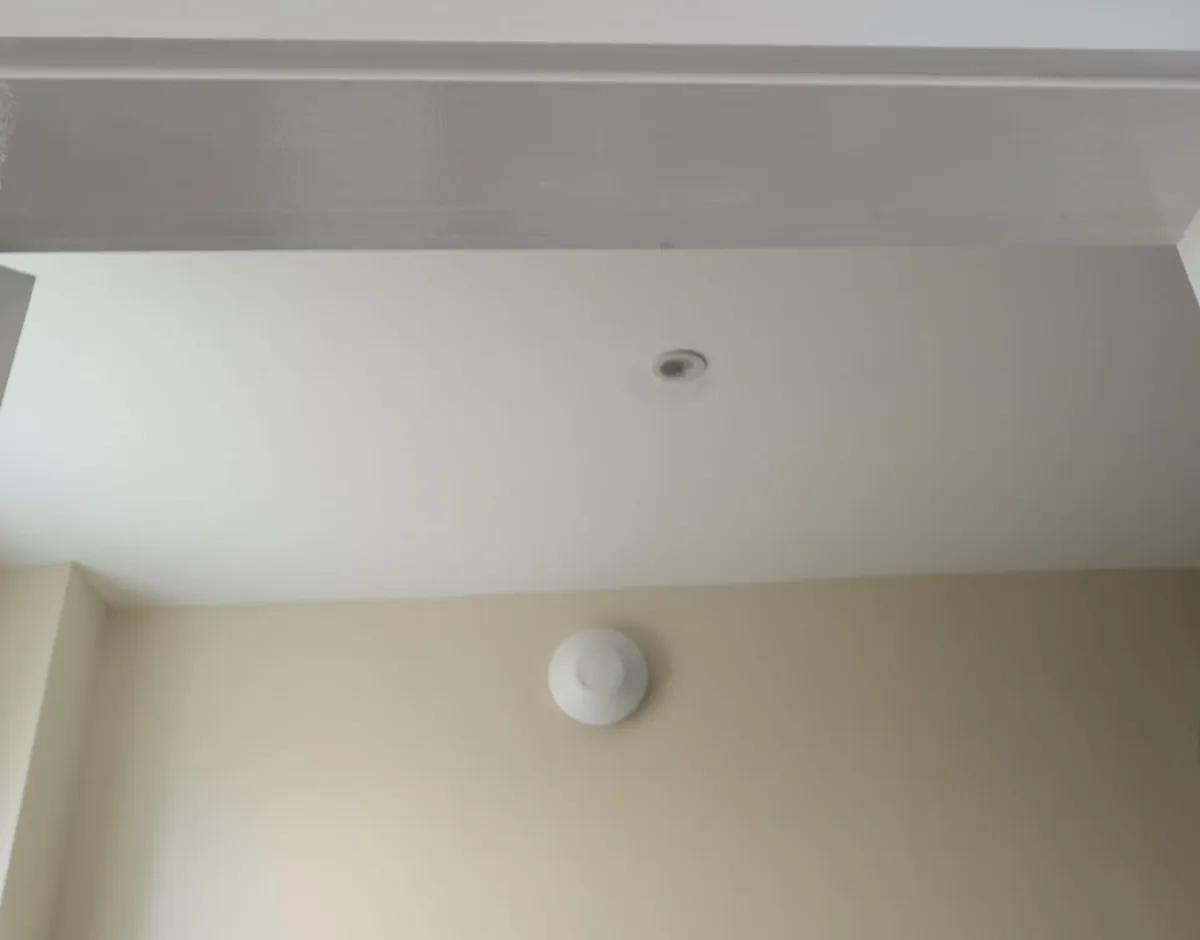
dMEV continuous extract fan installed during damp proofing in Deeside
A dMEV fan installed to provide continuous low-level extraction.

Works Carried Out

  • Inspected the affected walls and the external ground levels at the base of the property
  • Protected floors and furnishings throughout the works
  • Removed damp-affected plaster from the treated walls
  • Installed a new damp proof course — injected chemical DPC cream
  • Fitted a studded damp-proof membrane to the treated walls
  • Excavated along the external wall and installed ACO channel drainage to carry rainwater away from the house, dealing with the downpipe discharge problem found on the survey
  • Fitted a trickle vent to improve background ventilation
  • Installed a dMEV extract fan to provide continuous low-level extraction
  • Replastered the treated walls ready for decoration
  • Fitted new timber skirting boards
  • Left the property clean and tidy, with a final quality inspection on completion

Project Information

LocationDeeside, Flintshire (CH5)
Property typePrivate house
IssueDamp to ground-floor walls — failed damp proof course and a downpipe not discharging correctly
ServiceDamp proofing — injected DPC, studded membrane, external ACO drainage and ventilation
Works completedMarch 2025
OutcomeWalls treated, replastered and ready for decoration; verified 10/10 customer review

What our customer said

“From first contact with Mike everything went very smoothly and efficiently. We had a damp proof course..Aco drainage and a Trickle vent installed. Excellent tradesmen. Extremely clean and tidy and very respectful of us and our property. I would highly recommend Quirks.”

Checkatrade verified review — “Damp proofing”, job location CH5, 21 March 2025 — rated 10/10.

Frequently Asked Questions – Damp Proofing

Do you cover commercial and rental property?

Yes — domestic, commercial, industrial, rental and social housing, including pre-purchase damp surveys, landlord work and Awaab’s Law damp-and-mould compliance for portfolios. Tell us the property type when you book.

Usually not — most policies treat rising damp and general damp as maintenance, not a sudden insured event. Damage from a one-off escape of water, such as a burst pipe, is often covered, and the resulting damp may be too. We tell you honestly which applies and document it accordingly when it is relevant to a claim.

Product and workmanship guarantees are provided where applicable, depending on the system installed and manufacturer terms. Where a guarantee applies, we provide the paperwork your solicitor will ask for.

Where genuine rising damp is treated, salt-contaminated plaster usually has to come off and be replaced with a renovating plaster, because the old plaster holds the salts that keep drawing moisture. Where the cause is penetrating damp or condensation, often no replastering is needed at all.

A treated wall typically dries at roughly 25mm of wall thickness per month, so a solid wall can take several months to fully dry before final decoration. We advise on realistic timescales and the right breathable finishes to use during the drying period.

For most domestic damp work, no — it is carried out room-by-room and you can stay in the property. Larger basement or whole-floor projects are the exception; we will tell you upfront if any disruption means moving out is sensible.

⭐ Why Choose Quirks

Honest, survey-led diagnosis · FOD Certified Surveyors · PAM Ties & Safeguard approved · 20+ years all trades · we fix the cause, not just the symptom · all trades under one roof · product and workmanship guarantees where applicable · fully insured · genuinely local.

🏠 Landlords & Social Housing — Damp, Mould and Awaab’s Law

Landlords and social housing providers now face strict timescales for investigating and fixing reported damp and mould — under Awaab’s Law in England, and the equivalent fitness-for-human-habitation duties under the Renting Homes (Wales) Act for Welsh tenancies. We help you meet both: a fast, FOD-certified survey, a clear written report you can put on file, the actual repair carried out, and the documentation to evidence compliance. We work with private landlords, managing agents and housing providers across Cheshire, the Wirral and North Wales on both one-off and portfolio damp and mould work.

Read our guide to Awaab’s Law.

🏡 Buying or Selling? Damp Surveys for Property Transactions

If a survey has flagged damp, or your mortgage lender has applied a retention pending a “specialist damp report”, we provide independent, FOD-certified damp surveys with the clear written report buyers, sellers, solicitors and lenders need. We diagnose the true cause, set out whether work is genuinely required and what it costs, and — crucially — tell you honestly when a flagged “damp” issue is minor or misdiagnosed, so a sale is not derailed unnecessarily. Reports are turned around promptly to keep your transaction moving.

See our pre-purchase damp survey service.

📞 Book a damp survey. Worried about damp in Cheshire, the Wirral or North Wales? Call 01244 638219, WhatsApp 07719 535523, or email info@quirksonline.co.uk for honest advice and a no-obligation quotation.

🛠️ Preventing Damp — Simple Maintenance That Saves Money

Most damp we investigate traces back to routine maintenance that lapsed: blocked gutters, weathered pointing, cracked render, raised ground levels and poor ventilation. A few habits prevent most of it.

  • Clear gutters and downpipes twice a yearAutumn and spring. Overflowing gutters are the single most common cause of penetrating damp we find.
  • Keep ground levels below the damp-proof courseRaised borders, new paths and decking bridge the DPC and let moisture walk straight past it.
  • Check pointing and render annuallyOpen joints and hairline render cracks let wind-driven rain in long before a patch appears inside.
  • Keep airbricks and underfloor vents clearBlocked vents are a frequent cause of damp under suspended timber floors.
  • Ventilate while cooking, showering and drying clothesExtract fans on, windows ajar. This is the cheapest fix for condensation there is.
  • Deal with small leaks quicklyA slipped tile or weeping joint costs little now and a great deal later.
Accreditation logos including CSCS, Checkatrade, FireQual, Environment Agency and Federation of Damp
Scan the code
Powered by Joinchat