A Fast, Efficient and Friendly Building and Maintenance Service You Can Depend On.


- Home
- About
- Building Services
- Property Maintenance
- Structural Services
- Damp Services
- Fire Safety
- Emergency Repairs
- Trades
- Contact
Damp Floor Treatments
Damp Concrete Floors Chester
Concrete Floor Damp Proofing & Damp Floor Treatments
Damp rising through the surface of concrete slab flooring is a common issue in both residential and commercial properties across Chester.
Concrete is naturally porous, allowing moisture from the ground to rise through the slab by capillary action. When this moisture reaches floor finishes such as carpets, laminate, vinyl, engineered flooring or timber floors, it can lead to significant damage and failure.
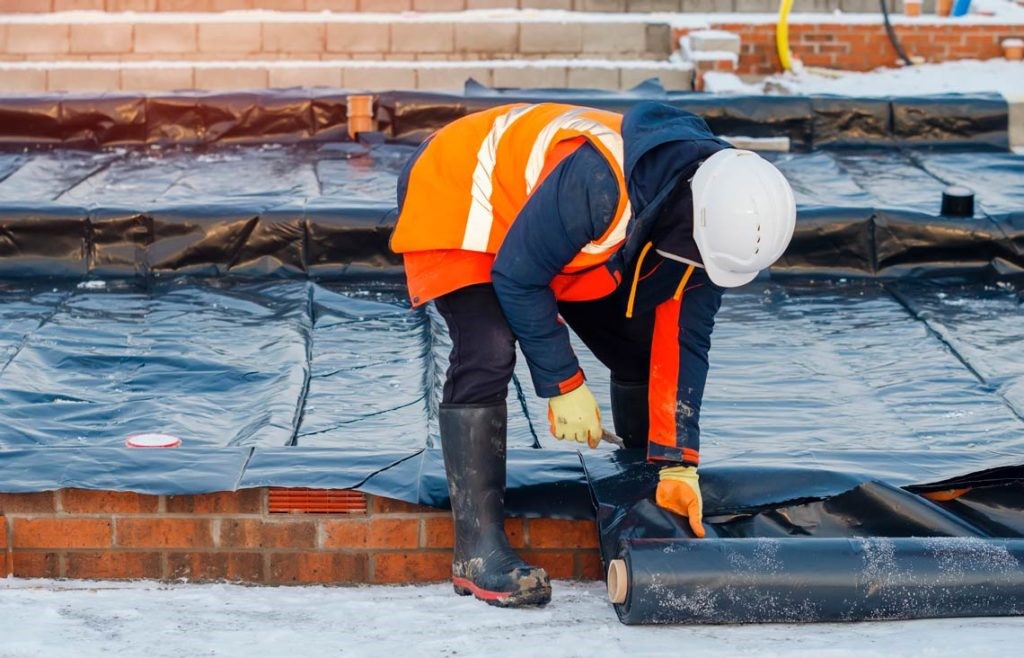
If left untreated, damp concrete floors can cause flooring failure, adhesive breakdown, mould growth, musty odours and long-term damage to the internal environment.
At Quirks Property Maintenance Ltd, we provide concrete floor damp proofing and damp floor treatment services across Chester.
Why Damp Proofing Concrete Floors Is Important
Moisture can rise from the ground through concrete slabs and affect the floor finish above.
This can happen for a number of reasons, including:
• Missing damp proof membranes
• Failed or damaged existing membranes
• Ground moisture rising through capillary action
• Landscaping or drainage changes increasing ground moisture
• Water vapour pressure beneath the slab
• Leaks or construction defects within the floor build-up
Without correct floor damp proofing, moisture can become trapped beneath the floor finish and create ongoing problems internally.
Signs of Damp Concrete Floors
Common signs include:
• Lifting or bubbling floor coverings
• Damp or soft floor finishes
• Adhesive failure beneath vinyl, laminate or timber flooring
• Musty smells coming from the floor area
• Mould growth at skirting level
• High moisture readings within the slab
• Cold, damp-feeling floors
These issues can affect both older properties and newer buildings where the original membrane has failed or where moisture is being introduced from another source.
What Causes Structural Cracks?
Structural cracks can occur due to:
• Foundation movement or settlement
• Seasonal expansion and contraction
• Clay soil shrinkage and swelling
• Water ingress or poor drainage
• Tree roots affecting foundations
• Inadequate structural support
Correct diagnosis is essential before carrying out any repair works.
Understanding Moisture in Concrete Floors
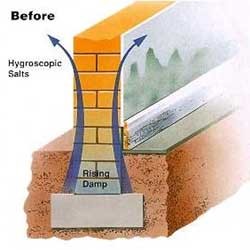
See how moisture rises through a concrete slab and affects the floor finish above:
The diagram above should show how moisture travels upwards through porous concrete and becomes trapped beneath floor finishes.
This helps explain why concrete floor damp problems often result in damaged coverings, adhesive deterioration and internal damp conditions.
Understanding the source of moisture is essential before selecting the correct treatment.
What Is a Damp Proof Membrane (DPM)
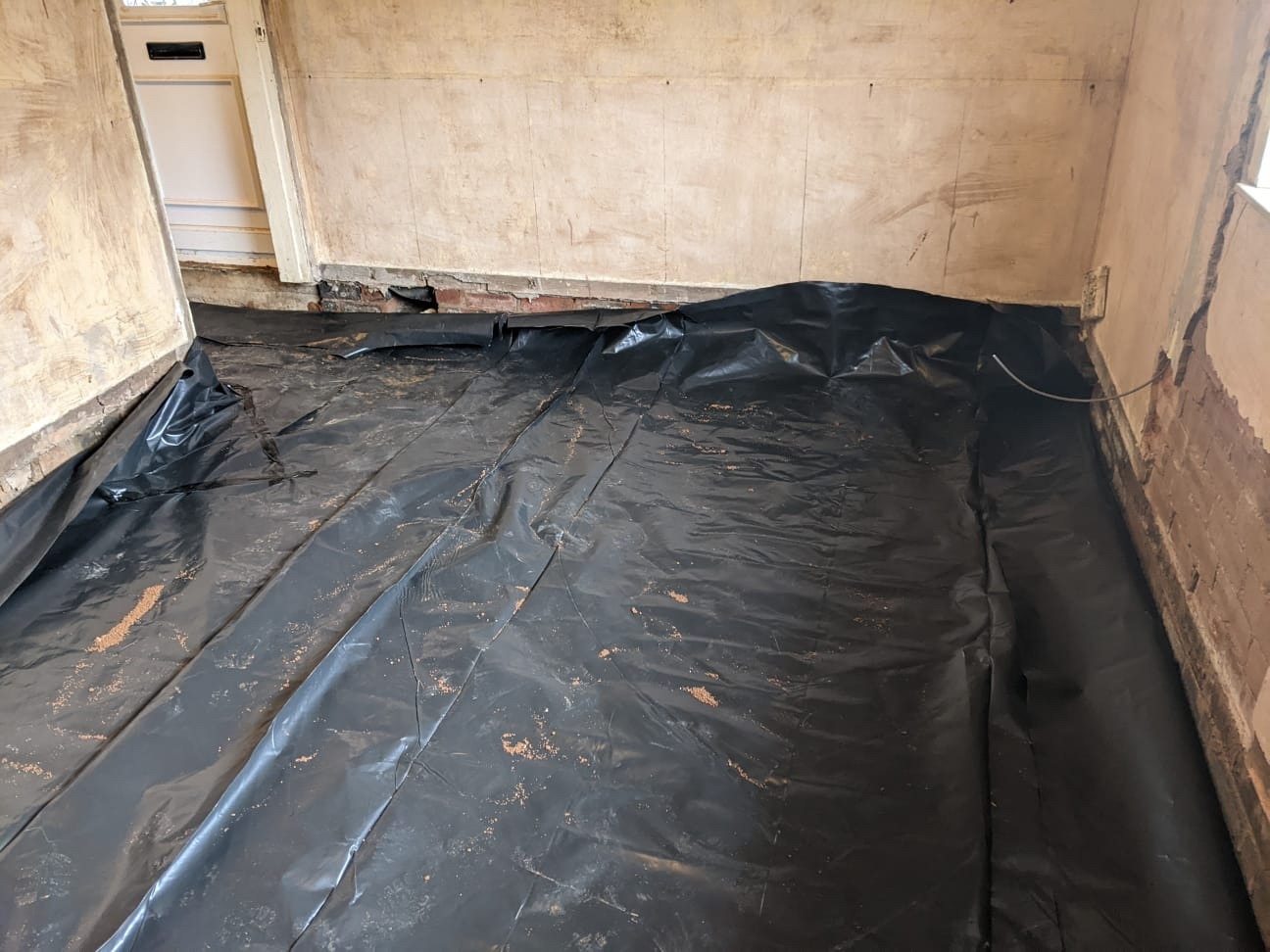
A damp proof membrane is a moisture barrier designed to prevent ground moisture from rising through a concrete slab.
In new floors and extensions, a 1200 gauge DPM is typically installed beneath the slab in accordance with standard building practice.
A DPM helps create a barrier between the ground and the internal floor structure, reducing the risk of dampness affecting the finished floor.
Correct installation is critical. Any tears, punctures or poorly sealed joints can allow moisture to bypass the membrane.
DPC vs DPM – What’s the Difference
A DPC, or damp proof course, is installed in walls to prevent moisture rising through masonry.
A DPM, or damp proof membrane, is installed in floors to prevent moisture rising through the slab.
Both systems are important and should work together to provide effective damp protection throughout the structure.
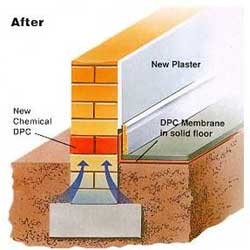
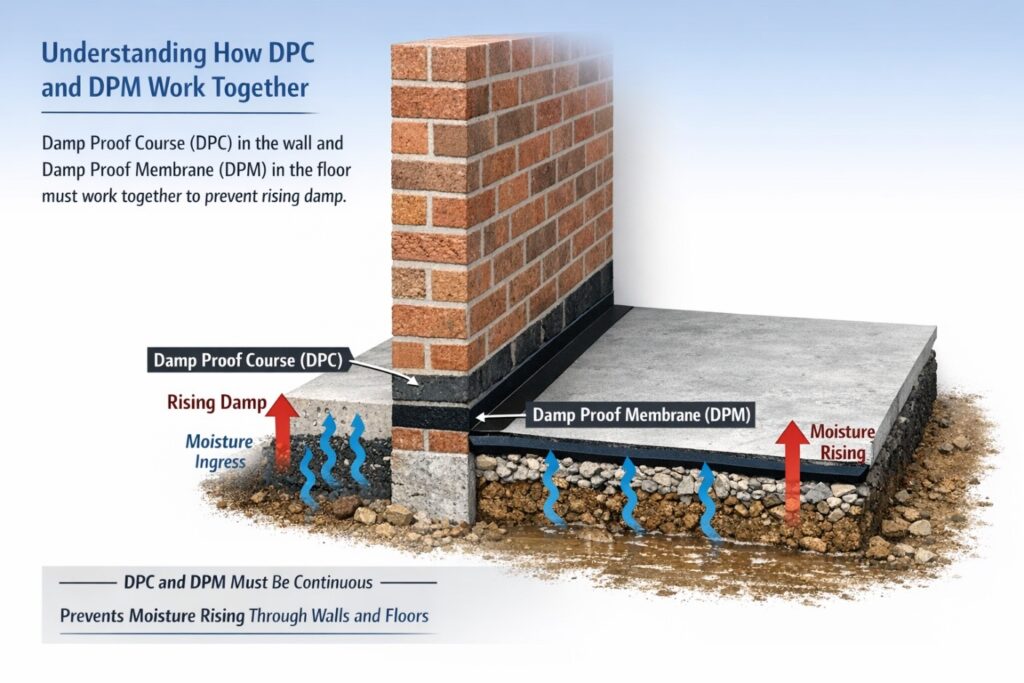
Understanding How DPC and DPM Work Together
The diagram below shows how a damp proof course within the wall and a damp proof membrane within the floor must work together to prevent moisture rising through both the structure and the floor slab.
This highlights why damp problems in floors and walls are often linked, and why both systems must be correctly installed and continuous to prevent moisture ingress.
How We Treat Damp Concrete Floors
The correct treatment depends on the construction of the floor and the source of moisture.
Solutions may include:
• Removal of existing floor finishes
• Moisture testing of the slab
• Investigation of failed or missing DPM
• Installation of a new damp proof membrane where practical
• Application of surface damp proof systems
• Epoxy resin coatings for existing slabs
• Damp proof floor coatings applied to prepared concrete
• Recommendations for ventilation or drying out where required
Our approach focuses on identifying the source first and then recommending the most appropriate long-term solution.
Epoxy Resin for Damp Concrete Floors
Where an existing floor slab is affected by moisture and excavation is not practical, epoxy resin systems can provide an effective surface-applied damp proof barrier.
These systems are often suitable where:
• A DPM has failed
• No membrane was installed originally
• Moisture readings are too high for new floor coverings
• The slab needs sealing before reinstatement
Correct preparation is essential before any epoxy system is applied.
Damp Proof Floor Coatings
Damp proof floor coatings can be applied by brush or roller to prepared concrete surfaces.
These systems are used to reduce moisture transmission and help prepare the slab for new finishes.
Before application, the floor must be:
• Properly cleaned
• Free from loose contaminants
• Suitably prepared
• Tested where necessary
Applying a coating without correct preparation can lead to failure, so diagnosis and preparation are both important.
Common Causes of Damp Concrete Floors
The most common causes include:
• High water-to-cement ratio during original construction
• Moisture vapour transmission from the ground
• Insufficient curing of the slab
• Leaking pipes
• Poor ventilation
• Failed, damaged or missing damp proof membrane
• External moisture changes affecting ground conditions
If left untreated, trapped moisture vapour can liquefy with changes in temperature and lead to floor failure, breakdown of adhesives and damage to the moisture barrier system.
Case Study
Concrete Floor Damp Problem – Chester
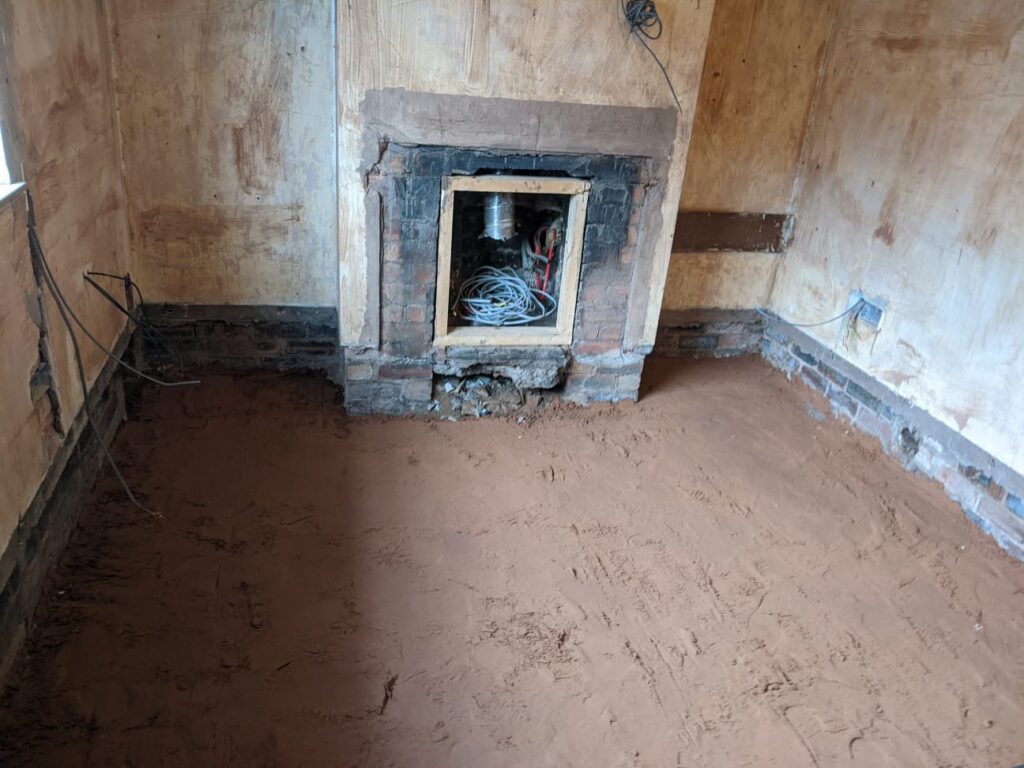
We were instructed to assess a property in Chester where the floor finish had started to fail, and a persistent damp smell had developed internally.
Moisture testing confirmed excessive moisture within the slab, and the issue was traced to a failed floor damp proofing system.
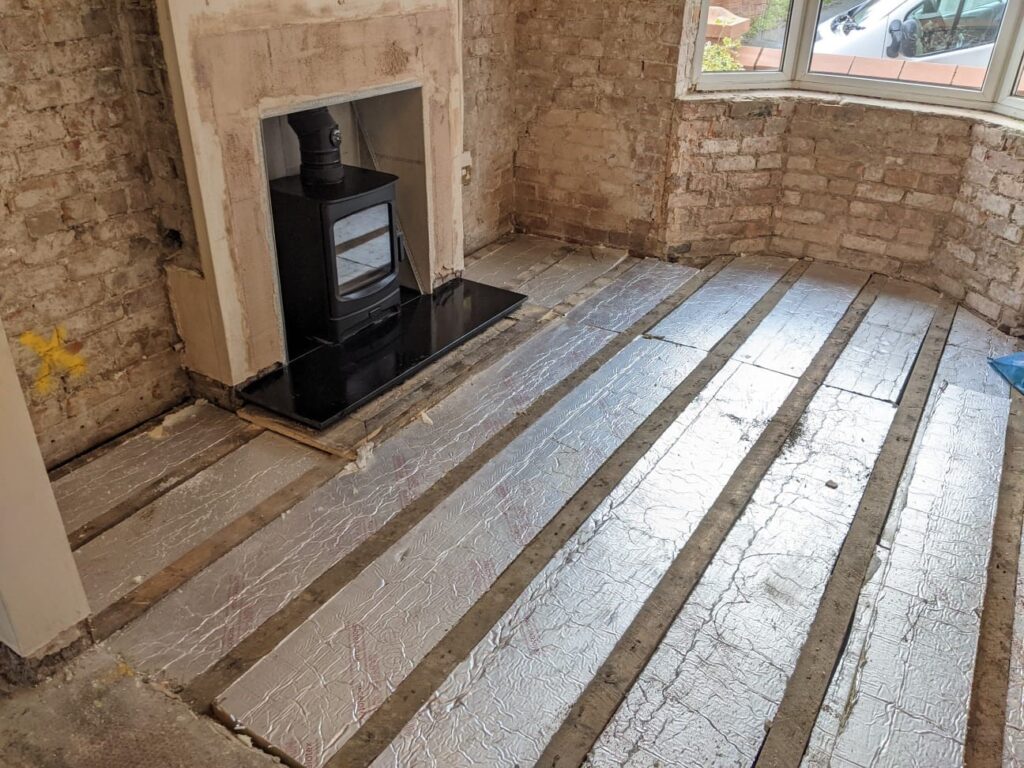
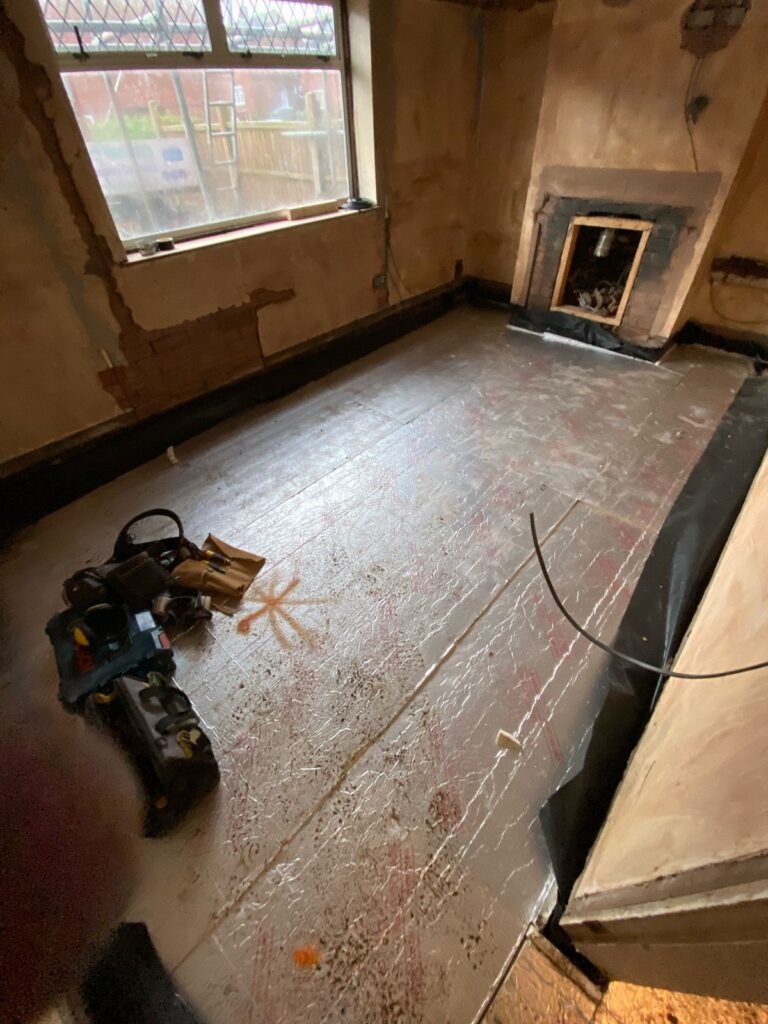
Following investigation, the affected floor finish was removed, the slab was prepared correctly, and a suitable damp proof treatment system was applied before reinstatement.
The result was a dry, stable floor build-up ready to receive the final finish without recurring damp problems.
Interlinked Services
• Damp Surveys and Moisture Diagnosis across Chester.
• Rising Damp Investigation and Treatment
• Penetrating Damp Repairs
• Condensation and Mould Control Solutions
• Timber Treatment and Rot Repairs
• Ventilation Improvements
• Structural Repairs and Crack Stitching
These services allow us to identify whether the issue is isolated to the floor or linked to wider damp problems within the property.
Why Choose Quirks Property Maintenance Ltd
• Over 20 years of industry experience across residential and commercial properties
• Members of the Federation of Damp (FOD), demonstrating our commitment to recognised industry standards and correct damp diagnosis
• Damp surveys carried out by FOD Certified Surveyors (FODCS), ensuring a professional and structured assessment
• Approved contractors for PAM Ties and Safeguard Europe
• Detailed, non-invasive inspections using specialist equipment where appropriate
• Clear, honest reporting with practical recommendations and no guesswork
• Focus on identifying the root cause before recommending treatment
• Long-term solutions designed to protect the floor structure and internal environment
All surveys and remedial works are completed in accordance with recognised industry guidance to ensure accurate diagnosis and lasting results.
Frequently Asked Questions
What causes damp concrete floors?
Can moisture come through a concrete floor?
What is a damp proof membrane?
Can you apply a damp proof system to an existing concrete floor?
Do I need to remove the existing floor covering first?
What is the difference between a DPC and a DPM?
Do you carry out damp surveys first?
Which areas do you cover?
We cover Chester.
Get a Damp Survey
If you are experiencing damp concrete floors in Chester, contact Quirks Property Maintenance Ltd.
We will assess the cause, recommend the correct treatment and provide a clear, professional solution.
Get in Touch
Send Photos via WhatsApp for a quick assessment.
