Specialist Building & Property Maintenance Services You Can Depend On.
FIRE & SMOKE DAMAGE RESTORATION
After a fire or a storm, Quirks carries out the fire damage repairs and reinstatement as one contractor: we make the building safe, strip out what the fire, smoke or weather has ruined – including the smoke damage in rooms the fire never reached – and put the property back together, roof, structure, plaster, electrics, plumbing, joinery and decoration, with the photographs and written scope your insurer will ask for. Across North Wales, Cheshire and Wirral.

In short: we make the property safe, strip out the damage and carry out the whole reinstatement under one written quotation. We are the building contractor that strips out and puts the property back together, not a specialist cleaning company; where cleaning alone is enough, we say so. Send photographs of the damage on WhatsApp or by email and we will tell you what it looks like and what happens next.
If there is any risk to life, a fire that is not fully out, a smell of gas, a live electrical fault or a danger of collapse, the emergency services come first. Do not go back into a fire-damaged building until the fire service has told you it is safe to do so.
A fire in one room can leave the whole ground floor needing stripping. Smoke gets much further through a house than the flames do, and heat damages plaster and timber well beyond the seat of the fire. These are the things we look for.
Even a small fire means strip-out: the materials that absorbed the smoke have to come out before anything goes back.
Smoke follows the stairwell, the ceilings and the gaps around doors, so the hallway, landing and rooms with the door shut can all carry a film of soot. On painted plaster it can sometimes be sealed and redecorated; where the soot has gone into the plaster, the skirting and the back of fitted cupboards, the finishes have to come off and be replaced. Which it is depends on the fire and the building, and we tell you which once we have looked.
Near the fire, plaster blows off the wall and lath-and-plaster ceilings drop in sheets. Window frames and sashes char, glazing cracks, and the joists or roof timbers above the fire may need exposing and checking before anything goes back. Where a structural timber or a lintel has been in the fire, we say so and, where it is needed, bring in a structural engineer before the repair is specified.
The fire service can put a lot of water through a building. It runs down into the floors and ceilings below and sits in the fabric long after the fire. Those areas are dried and checked before they are closed up, and where the water damage is the bigger job the drying and reinstatement run under our flood damage restoration service.
Circuits that have been near a fire are isolated and tested by NAPIT registered engineers before anything is reconnected, and plastic plumbing and heating pipework near the fire is checked and renewed where it has been affected. The smell of smoke lives in the materials that absorbed it – we do not promise a smell will go without those materials coming out, which is why strip-out is the first stage of every fire reinstatement.
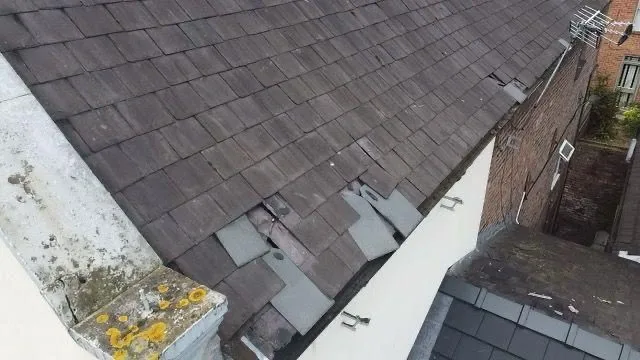
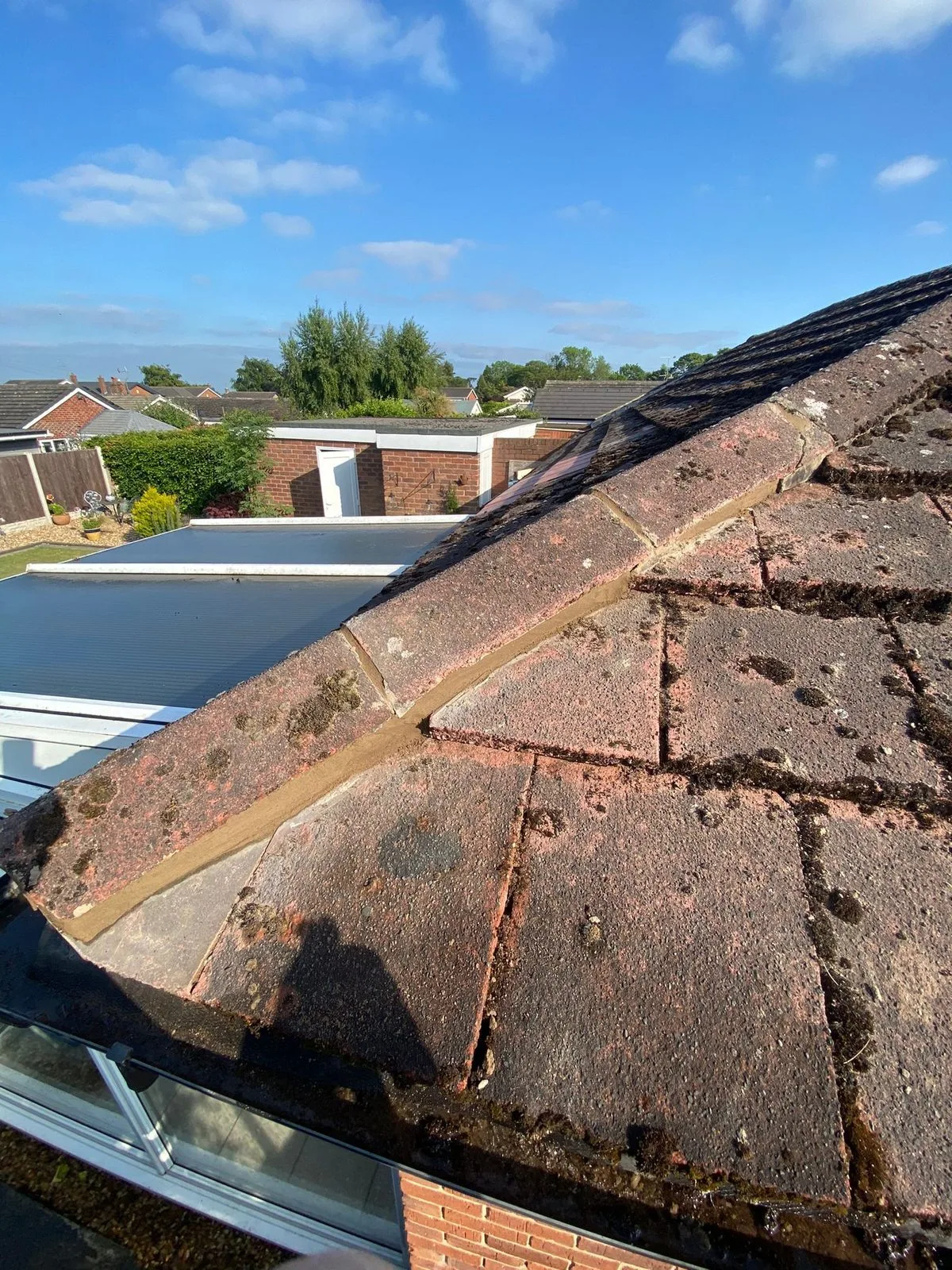
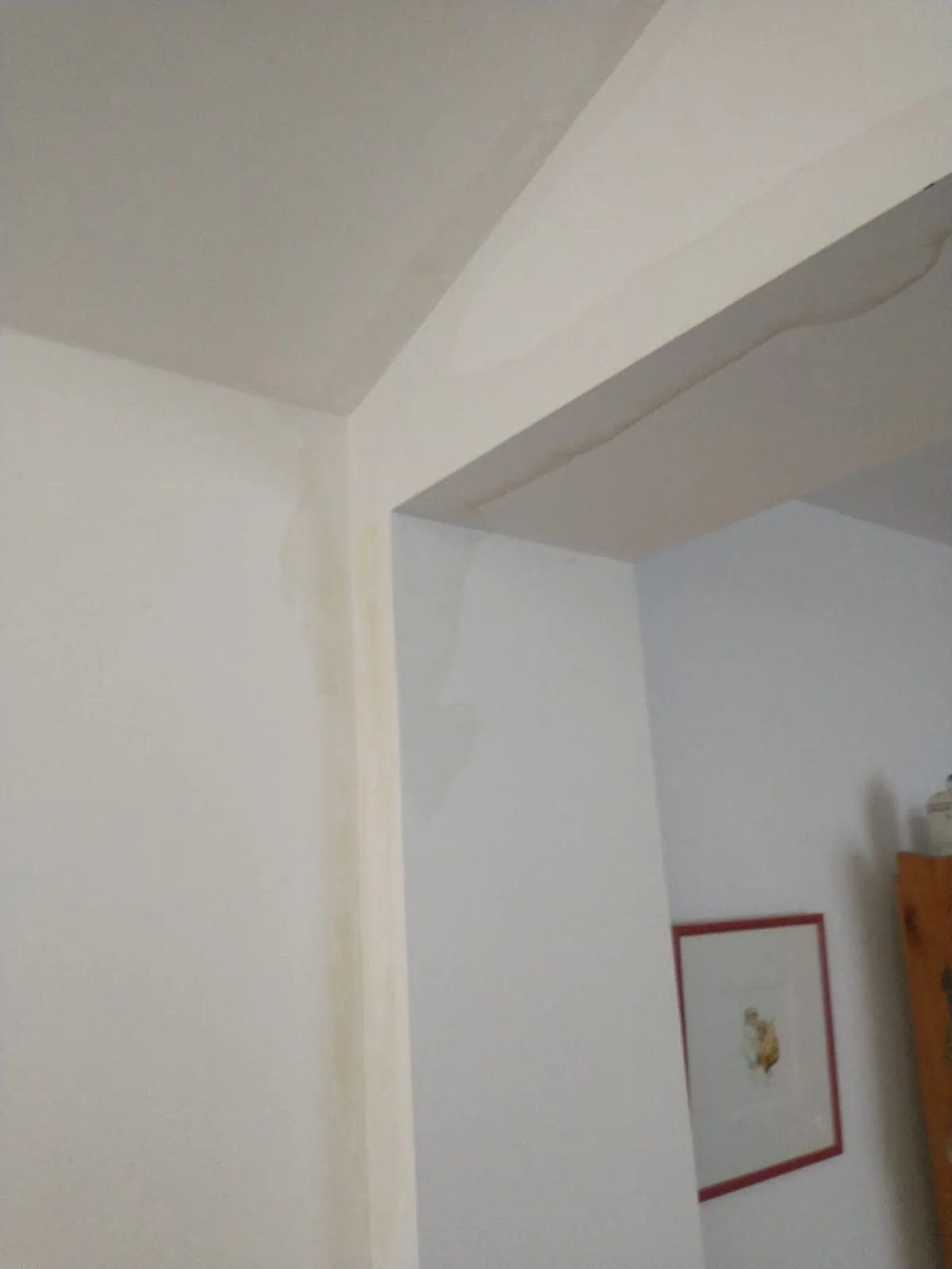
High winds find the weak points on a roof: ridge and hip tiles whose mortar bed has already failed, slipped slates, gutters and downpipes pulled off their brackets, and fascias that were on their way out. Rain then gets in and shows up as a stained or dropped ceiling, often a room or two away from the gap in the roof.


Storm call-outs run on a 24-hour call-out basis. If the damage is roofing only, our emergency roof repairs page covers that work in detail, and emergency gutter repairs covers rainwater goods torn off in the wind. This page is for the jobs where the storm has damaged the building inside and out and it all needs putting right under one quotation.
A fire-damaged or storm-damaged building is open to the weather and to anyone walking past, so the make-safe works come first and can usually go ahead before an insurer has agreed the full claim – photograph everything first and tell your insurer what is being done. On the first visit the building is made as safe as conditions allow, we establish how far the damage goes, and temporary protection goes in against the weather; the reinstatement is then quoted after a site visit. Emergency call-outs are subject to availability, weather, safe access, location and the nature of the damage. We will give you an honest indication of attendance when you call.
Everything is done as safely as conditions, access and the nature of the damage allow, and photographed as we go.

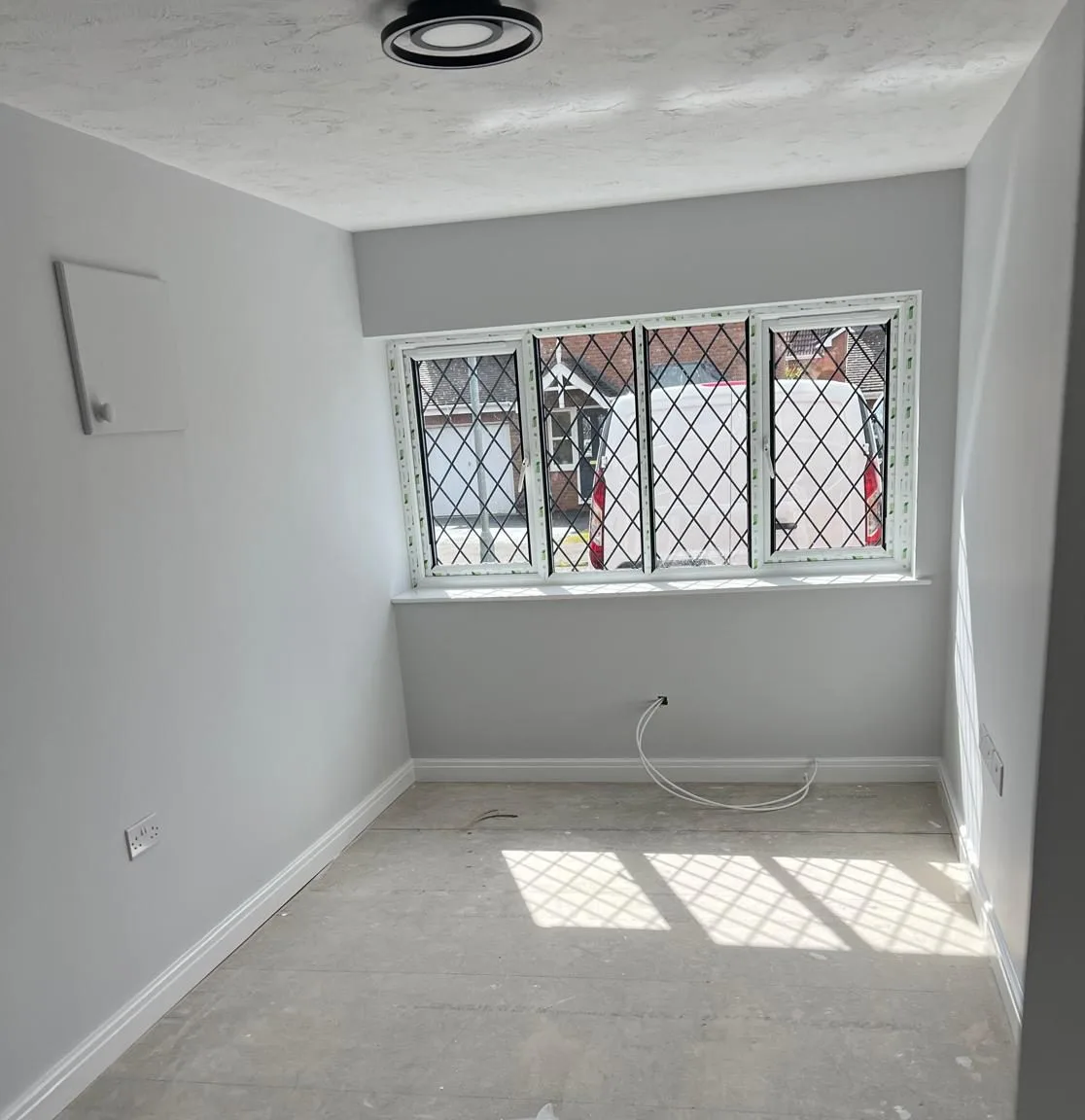
A reinstatement part-way through: walls and woodwork decorated, the flooring and finishes still to come.
A full reinstatement is the job of putting the building back as it was, and it starts once the make-safe work is done and the insurer has agreed the scope. On a fire job that normally means stripping the affected rooms back to a sound surface, repairing anything the heat or the water reached above and below them, then rebuilding in the right order so nothing has to be opened up twice.
The order matters more than the list. Drying has to finish before plastering, plastering before second-fix electrics, and decoration last of all. Working to one programme, under one contractor, is what stops a reinstatement stalling between trades — which is where most of the delay on an insurance repair comes from.
A full reinstatement is quoted after a site visit, because a job of this size cannot be scoped from photographs. The quotation is set out room by room, so you and your insurer can both see exactly what is included.
Most buildings policies let you get your own quotation for the repair – check with your insurer before works beyond the make-safe begin. Where required, we can provide photographs, reports and quotations to support an insurance claim.

What we will not do is tell you what your policy covers. That is between you and your insurer; our job is to give you the evidence and the price.
Boarding, sheeting and propping done by our own men, not passed to a third party.
Ridges, hips, slates and tiles, fascias, guttering and brickwork — all in-house.
Electrical work by NAPIT registered engineers, gas by Gas Safe registered engineers, arranged and programmed by us.
One quotation, one programme and one person to ring, from the first photograph to handover.

Drying, strip-out and reinstatement after flooding, burst pipes and escape of water.
Learn more →Storm-damaged roofs made weathertight and repaired.
Learn more →Windows and doors secured after fire, storm or break-in.
Learn more →Gutters and downpipes torn off in the wind.
Learn more →Lintels, beams and joists replaced where the fire has reached the structure.
Learn more →Where water from the fire or the storm has left damp behind.
Learn more →Flintshire and Deeside – The whole county, from Deeside to Holywell. The housing is mostly terraced and semi-detached, much of it inter-war and post-war, with older stone cottages in the villages, and a fire in a terrace means the party walls and the neighbouring rooms are checked as well as the room that burned.
Chester and Ellesmere Port – Both sit just over the border from Ewloe Green. Chester’s Victorian and Edwardian terraces and villas carry lath-and-plaster ceilings and timber sash windows that take heat badly, while Ellesmere Port’s inter-war and post-war semis more often need the roof and the rainwater goods putting right after a storm.
The Wirral – The whole peninsula, from Birkenhead and Wallasey to Heswall and West Kirby. Its Victorian terraces and 1930s semis sit on exposed ground facing the Irish Sea and the Dee estuary, so wind damage to roofs and chimneys is common, and the inside of the house – ceilings, plaster and decoration – is put right under the same quotation as the roof.
Wrexham – Wrexham sits just south of us. The town’s older terraces and its post-war estates, with stone-built houses in the villages around it, bring the full range of fire and storm reinstatement work, from a single smoke-damaged room to a roof and the ceilings beneath it.
Denbighshire and Conwy – Along the A55, Denbighshire and Conwy are the western end of our patch, and the drive is no bar to a full fire reinstatement. The coast’s Victorian terraces and guesthouses, and the older slate-roofed stone houses inland, take the brunt of the winter storms off the sea.
We cover North Wales, Cheshire and Wirral — Chester, Flintshire and Deeside, Wrexham, the Wirral, Ellesmere Port and the North Wales coast.
CHESTER — TERRACED HOUSE
A fire in the back dining room of a terraced house in Chester. The heat burned out the rear window and brought the ceiling plaster down, and smoke spread through the ground floor. Quirks carried out the whole reinstatement as one contractor – strip-out, external repairs, electrics, plumbing, plastering, joinery, new windows and doors, and decoration throughout.
BEFOREThe back dining room was burnt out around the rear window, with the frame charred through, the furniture beneath it destroyed and soot over every surface. Above it, the ceiling plaster had come down, leaving the laths exposed. The window opening had been boarded, the rear brickwork was blackened, and burnt contents and debris filled the back yard. Flooring and skirting through the dining room, living room and hallway were beyond saving.
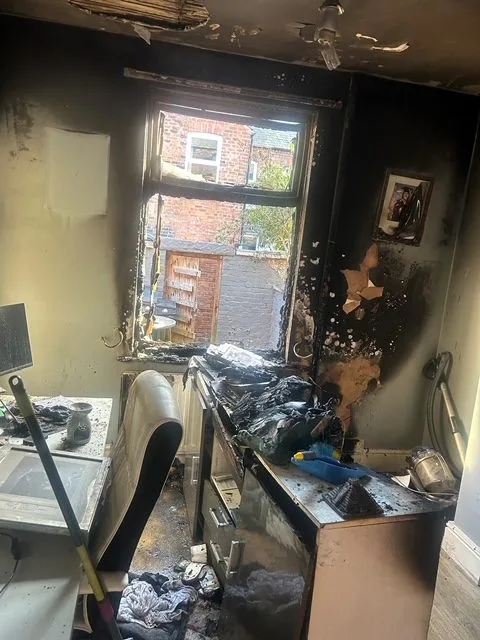
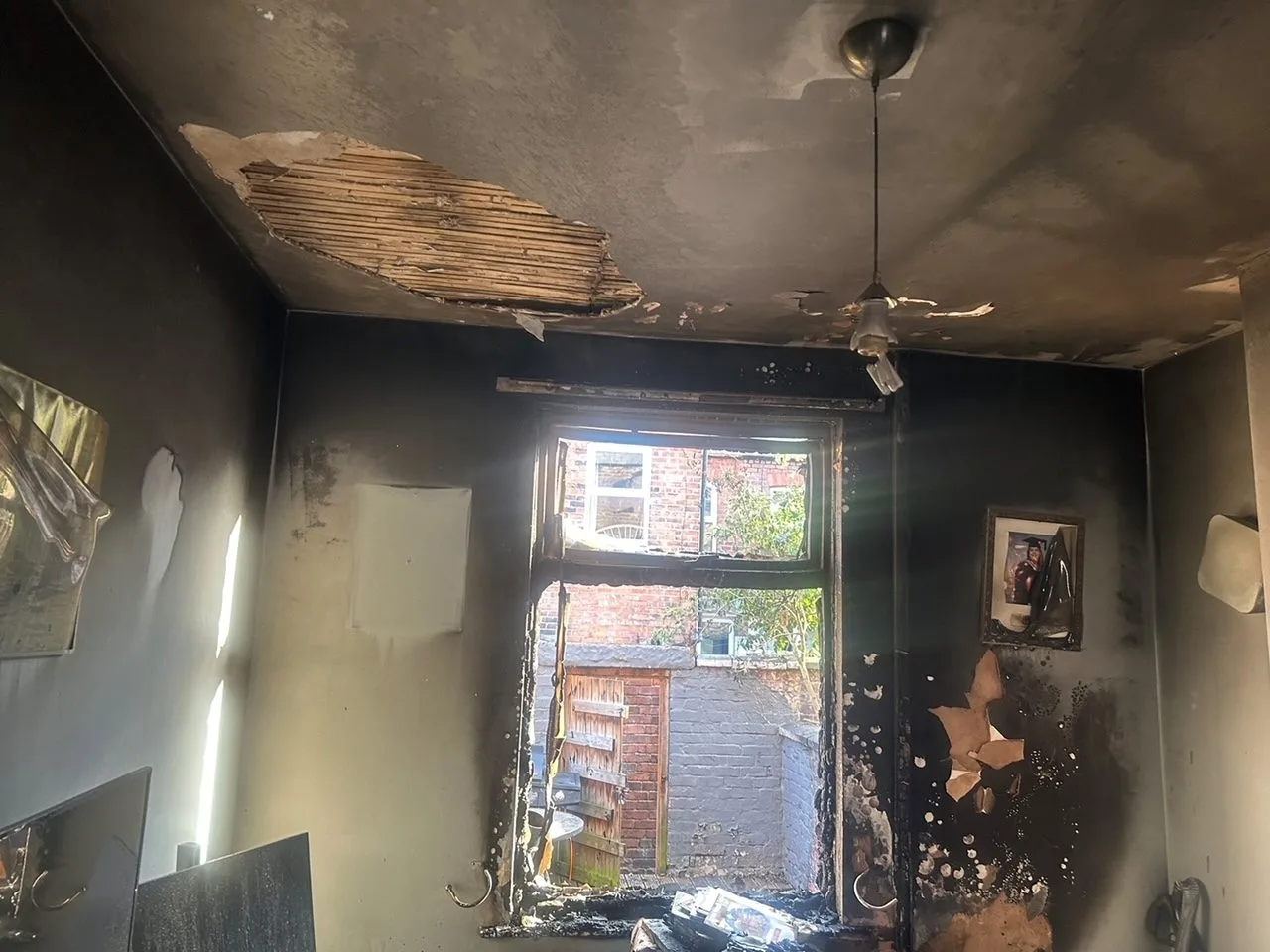
The fire started in the back dining room, but smoke and water reached the whole of the ground floor. These are two of the rooms as they were handed back.
Scaffolding went up at the back for the roof inspection, new fascia and guttering, and the walls were jet-washed. Inside, the electrics were made safe and renewed, a new radiator and waste pipe went in, the ceiling was overboarded and the walls skimmed. New white UPVC windows and doors were fitted, flooring laid with new skirting and architrave, and every affected room decorated. All waste was removed by Quirks and the site was left tidy at the end of each day.
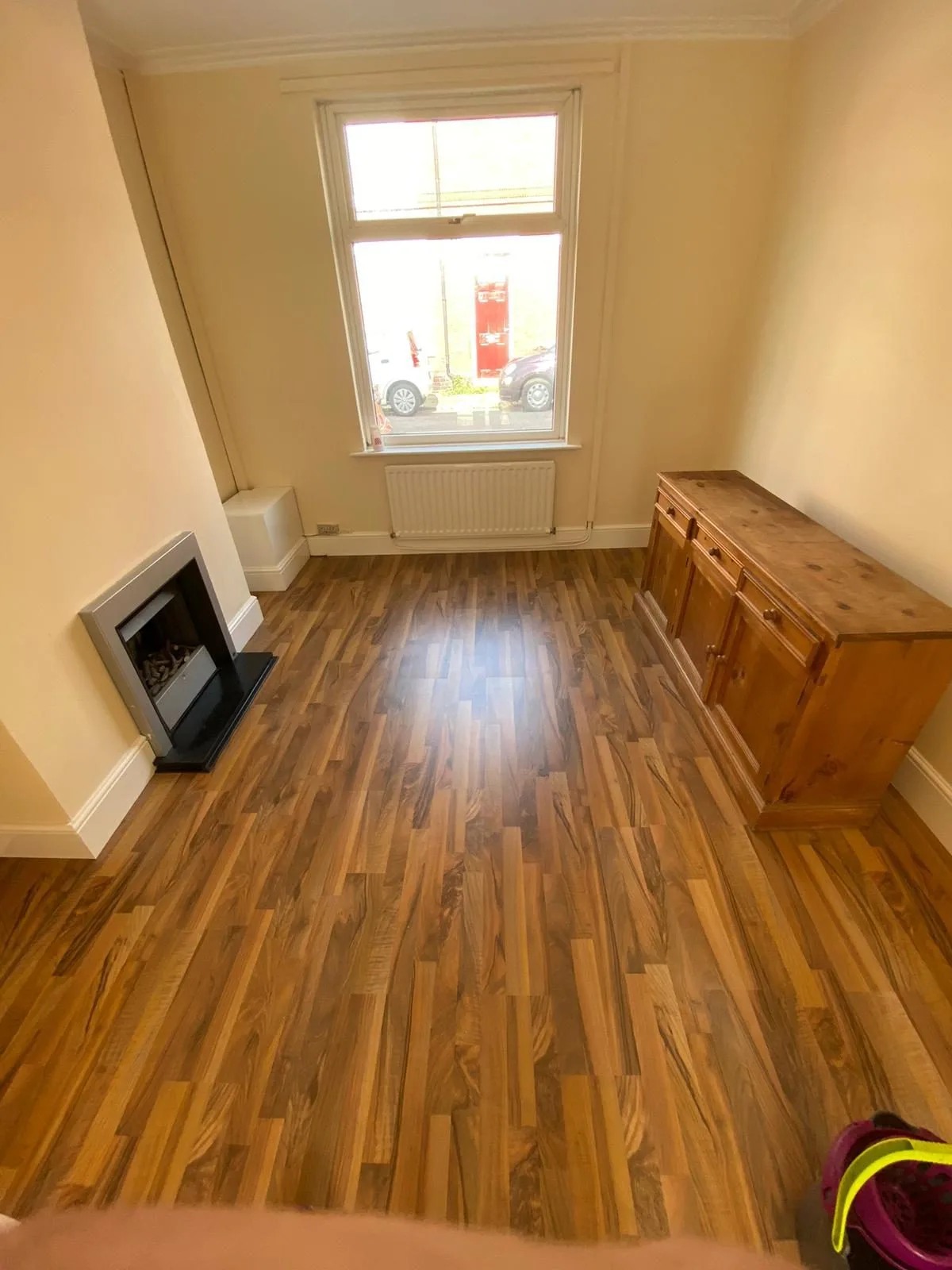
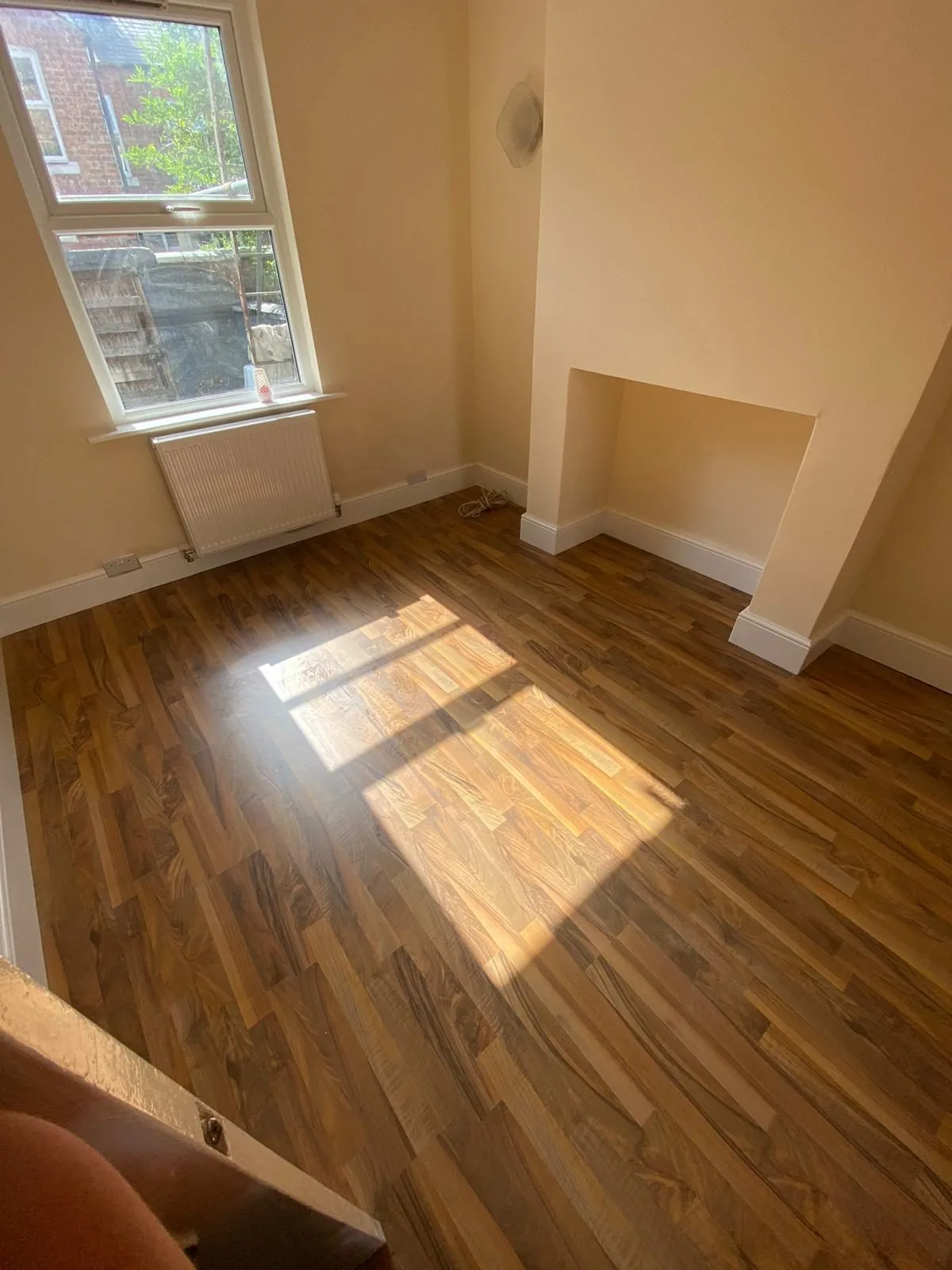
Quirks carried out the reinstatement in full, from the strip-out to the final coat of paint, as one contractor. The works were to the rooms the fire and smoke had reached and to the rear elevation; nothing beyond the quotation was added. We do not describe any repair as permanent.
| Location | Chester |
|---|---|
| Property | Terraced house |
| Damage | Fire in the back dining room; smoke damage through the ground floor |
| Works | Full reinstatement – strip-out, external repairs, electrics, plumbing, plastering, joinery, UPVC windows and doors, decoration |
| Trades | All under one contractor; electrical work by a NAPIT registered engineer |
| Waste | All waste removed by Quirks; site cleaned at the end of each day |
Fire damage · Smoke damage · Reinstatement · Chester
5.0 · Based on 150+ Google reviews
“Highly recommend. Secured a shop for us which had been broken into within an hour. Five star service”
Richard · October 2026
“Fantastic service , came out on a call out and boarded up door to secure them , lovely and polite and fantastic craftsmanship”
Claire · October 2026
“Really impressed with the service from Quirks after we had an escape of water at home. I contacted them on a Saturday afternoon and, despite it being out of hours, they came out the following morning to investigate. They then returned again the day after to carry out the further work needed. The issue involved a concealed water leak, so they had to investigate and open up areas to locate the source, before carrying out the necessary plumbing work. They were really helpful throughout, explained what they were doing clearly and left everything tidy. They also provided all of the paperwork and breakdowns I needed for the insurance claim, which made a stressful situation much easier to deal with. Communication was great from start to finish, they were professional, reliable and genuinely helpful. I wouldn’t hesitate to recommend Quirks and would definitely use them again.”
Melissa · September 2026
Usually, yes. Make-safe works – boarding, sheeting a roof, isolating the electrics, taking down a dangerous ceiling – protect the building and are normally expected by insurers. Photograph everything first, tell your insurer what is being done, and keep the photographs and our invoice for the claim.
The claim is yours, so the insurer talks to you. We give you what the claim needs: photographs, a written scope of works and a quotation set out room by room, and moisture readings where water is involved. If the loss adjuster wants to speak to us about the scope, we will. We do not tell you what your policy covers.
The smell lives in the materials that absorbed it – plaster, timber, carpet, fabric and the backs of cupboards. Where those come out and the room is sealed and redecorated, the smell normally goes with them. We will not promise the smell will go while the materials that hold it are still in the room.
It depends on how far the damage has gone and how soon the insurer agrees the scope. A single room stripped, re-plastered, rewired and decorated is a shorter job than a whole floor with new windows and a roof repair. What stretches a job is drying time where water has gone into the fabric, waiting on the loss adjuster, and the order the trades have to go in – plaster has to dry before it is decorated. We say how long we expect your job to take when we quote, and we tell you if that changes.
It depends on how far the soot and heat have gone in. A light film on sound painted plaster can sometimes be cleaned, sealed and redecorated. Plaster that has taken the heat, or soot that has gone into the surface, comes off and is replaced. We tell you which once we have looked at the photographs and, where needed, the rooms.
If rain is getting in, or tiles are loose above a path, a road or a garden people use, treat it as one. Send us photographs of the roof and the ceiling below it. The gap is sheeted first and the ridge or hip re-bedded or dry-fixed once the weather allows.
Most buildings policies allow you to get your own quotation for the reinstatement, and some insurers prefer it. Check with your insurer before works beyond the make-safe start, and ask whether they want to approve the scope first.
Whether Building Regulations or Building Control involvement is required depends on the scope of work. We will explain the position for your proposed repair and, where agreed, coordinate the process with the relevant parties. Replacement windows and doors are signed off through LABC Building Control.
No two fires are the same, and the price follows the damage rather than the size of the house. What moves it: how many rooms have to be stripped back and re-plastered rather than cleaned and redecorated; whether the roof, the windows or the structure are involved, and whether scaffolding is needed to get at them; how much of the electrics and plumbing has to be renewed; the drying needed where water has gone into the floors and ceilings; and what the loss adjuster’s scope allows against what you want done over and above it.
Most jobs we can price from photographs — send yours on WhatsApp or by email and we’ll come back with a written quotation.
Send a few photographs of the damage and your postcode. Smaller repairs we can often price from the photographs; a full reinstatement is quoted after a site visit, and we will tell you which once we have looked.
How it works
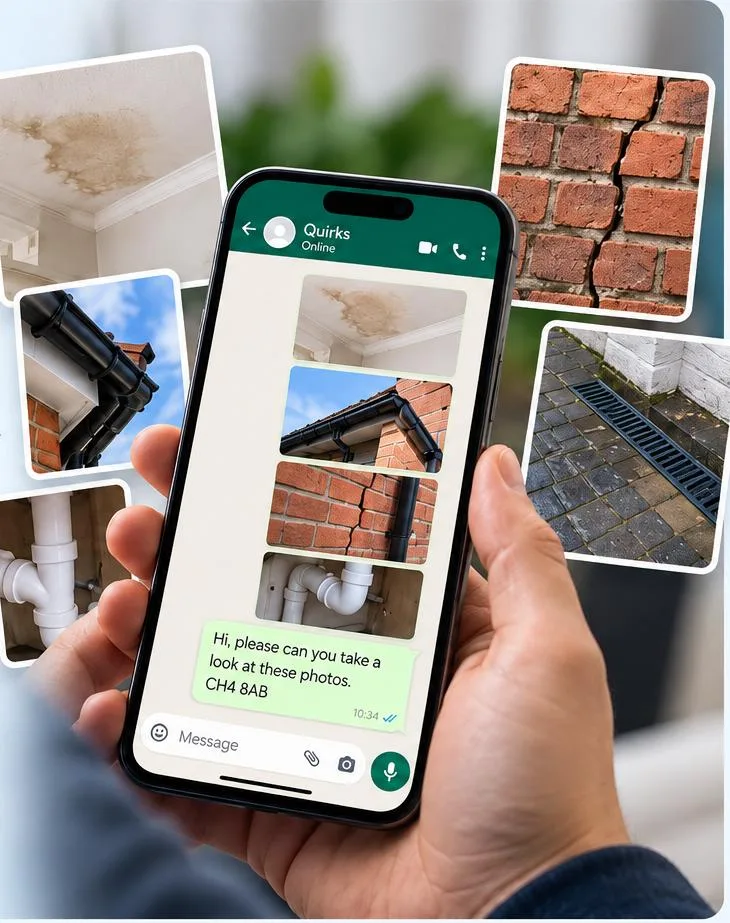
You don’t need to describe the problem down the phone. A photo tells us most of what we need.

WhatsApp or email gets the quickest reply. We come back to you as soon as we can.
Written and reviewed by Michael Quirk, Director.


Need emergencyfire or storm repairs?
Send us photos on WhatsAppfor a quick assessment and advice on the next steps.
Send Photos on WhatsAppWe use your details and photographs to deal with your enquiry — our privacy policy explains how.